
Modern Minimalist Nature Art
Simple, organic designs seen from far away, up close, and in the shapes nature leaves behind. Art that adds calm to a room without competing with it.
A Quieter Way to Bring Nature Home
Nature art doesn’t have to be loud or literal. Step back from a place and it softens into bands of color: a horizon, a ridgeline, a coastline fading to white. Step in close and a cactus becomes rhythm, a tree becomes rings. Look carefully and you’ll even find hearts hidden in stone, water and wood.
Each piece begins as original artwork by Nick Scacco. The designs are made for calm, uncluttered rooms and for people who want art that feels like nature without shouting about it. Learn more about the artist and process on the About page.
Original watercolor and acrylic art by Nick Scacco — Scacco Matto

Far Away: Places, Softly
Some places stay with us as feelings more than details. These pieces keep only what remains: the color of the water, the shape of the hills, the hush of a forest.
Ocean: water fading into white, inspired by Na Pali and the Florida Keys. Tuscany: rolling hills reduced to soft bands of olive and sage. Mountains: layered gray ridgelines, quiet as early morning. Birch Forest: pale trunks and open space, calm and vertical.
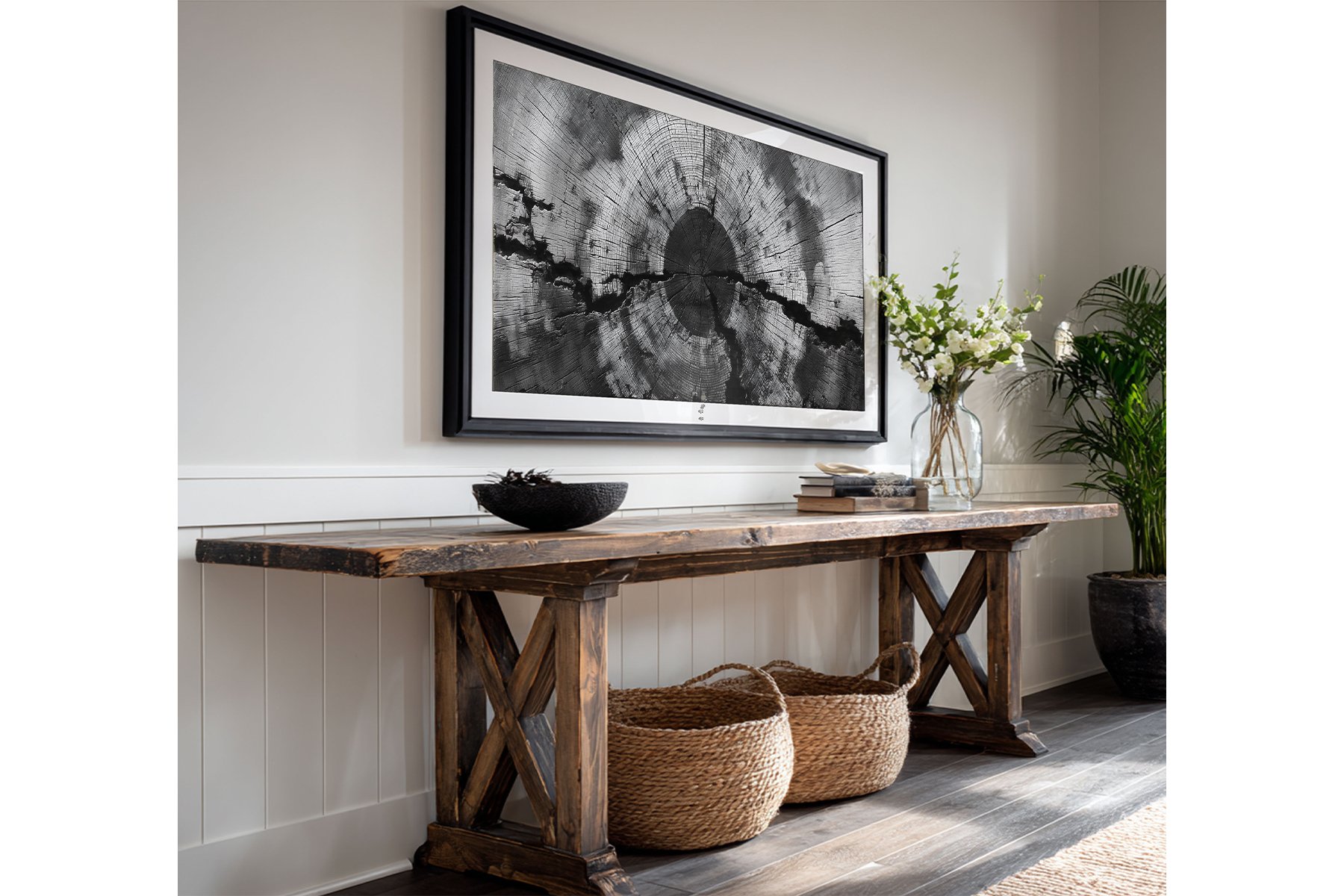
Up Close: Nature as Pattern
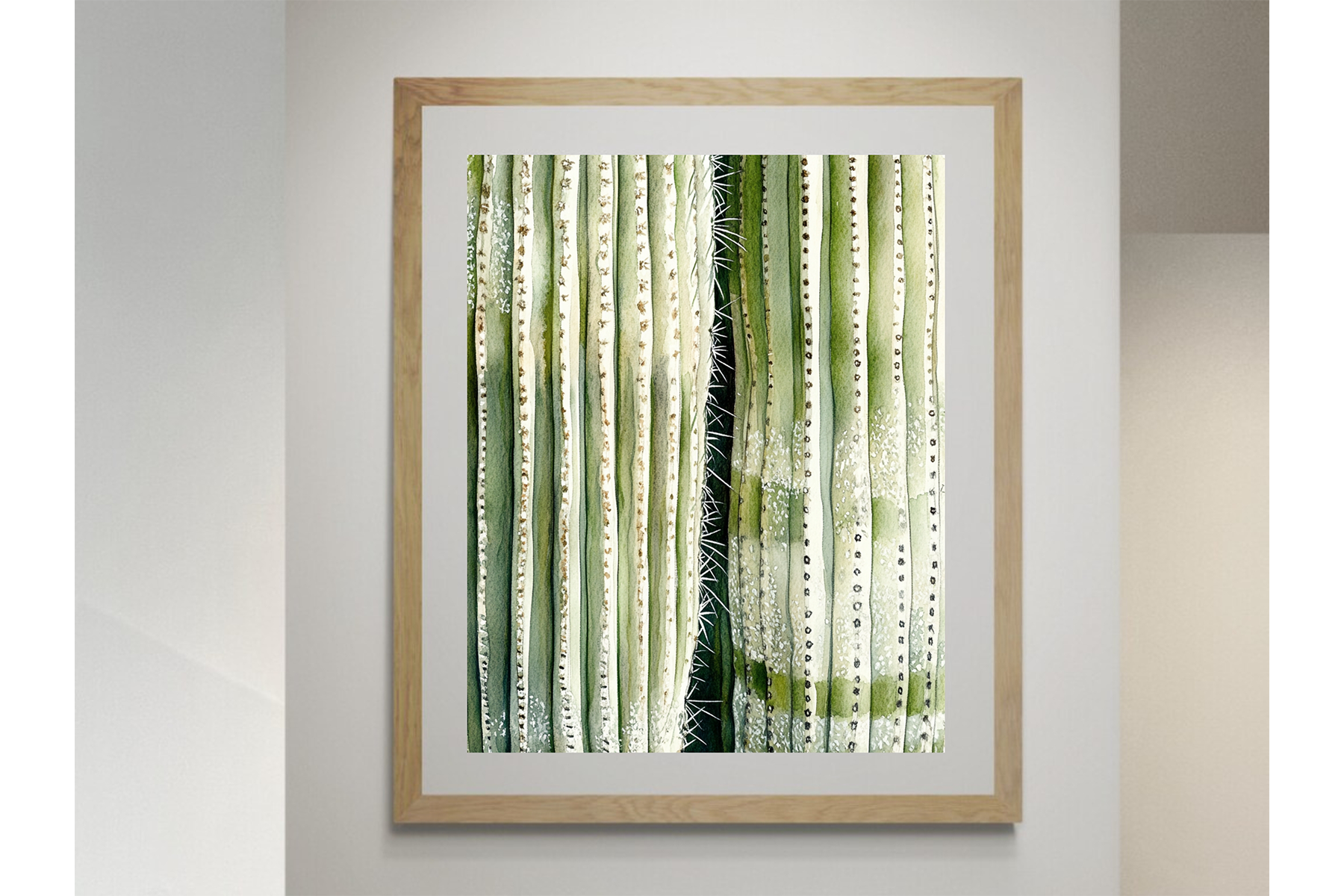
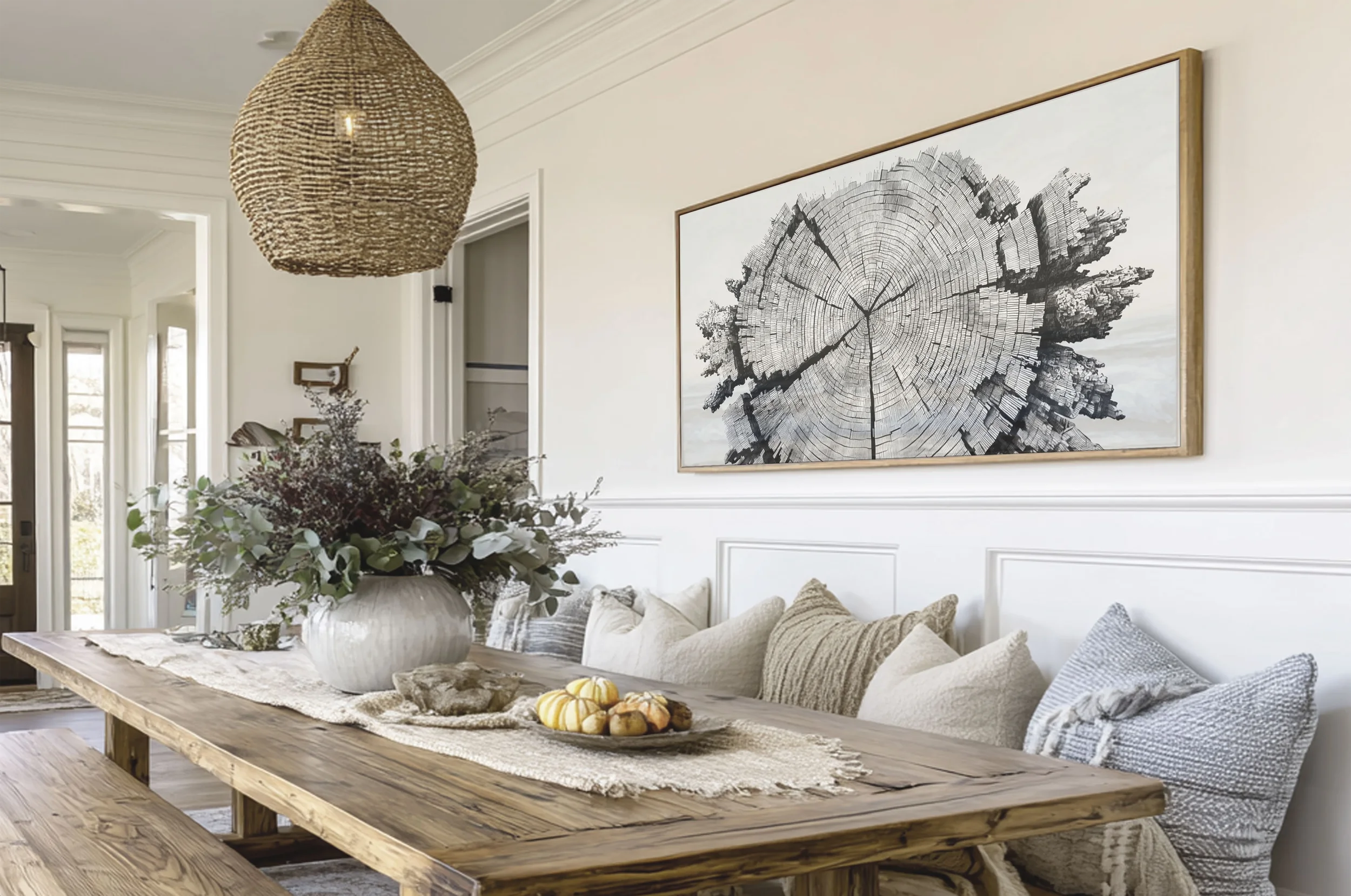
Move close enough and nature turns into design. The ribs and shadows of a saguaro become rhythm and line. A tree’s cross-section becomes rings, cracks and grain, a record of time you can hang on the wall.
Organic, graphic and quietly striking, these close-up pieces bring texture to a room without adding noise.
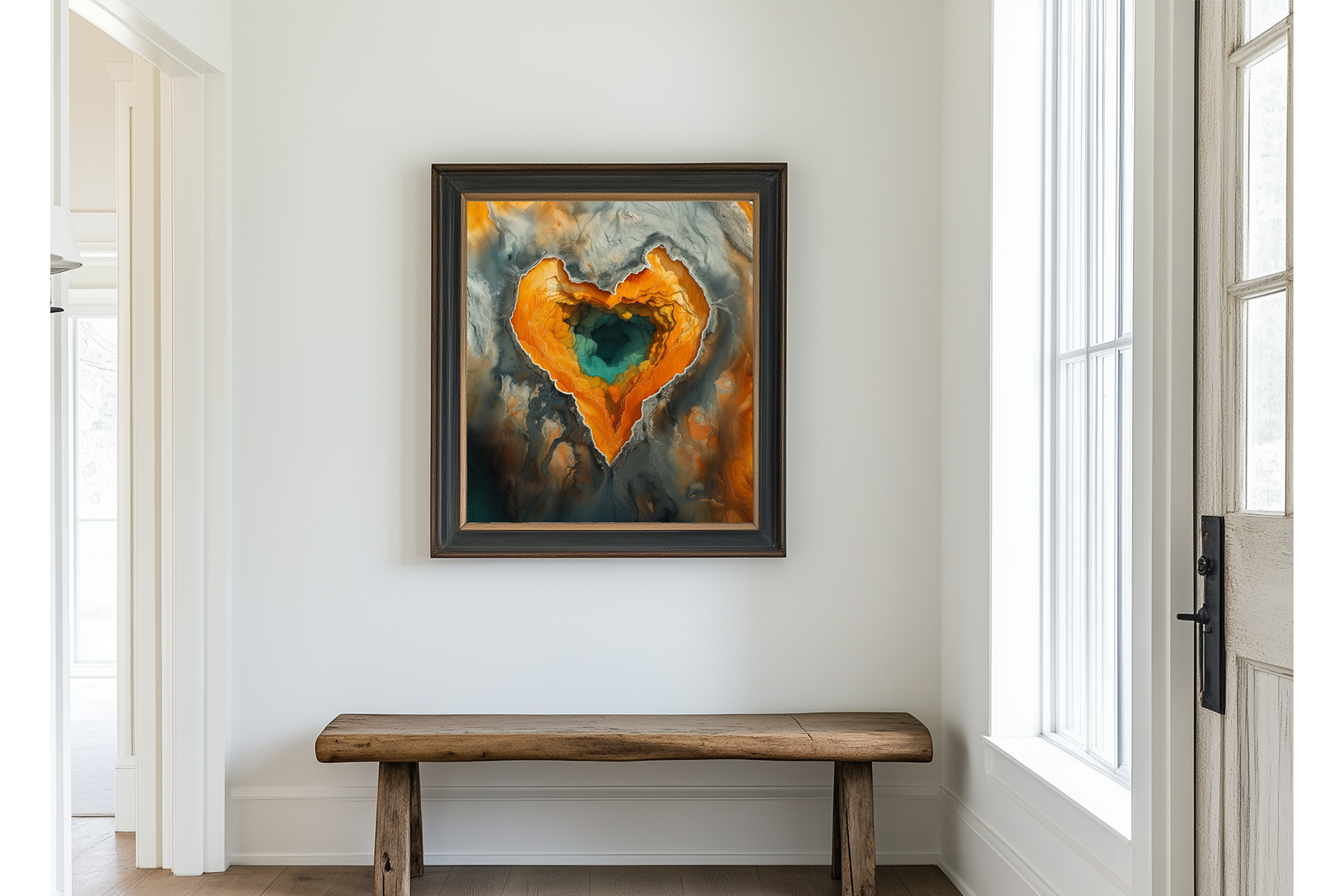
Found: Love’s Nature
Nature leaves hearts everywhere if you slow down enough to notice them: in a hot spring, a stone, the curve of a shoreline. Love’s Nature captures these natural forms as symbols of love and affection.
They are thoughtful gifts for Mother’s Day and anniversaries, for weddings and engagements, or for simply saying “I love you” without saying it out loud.
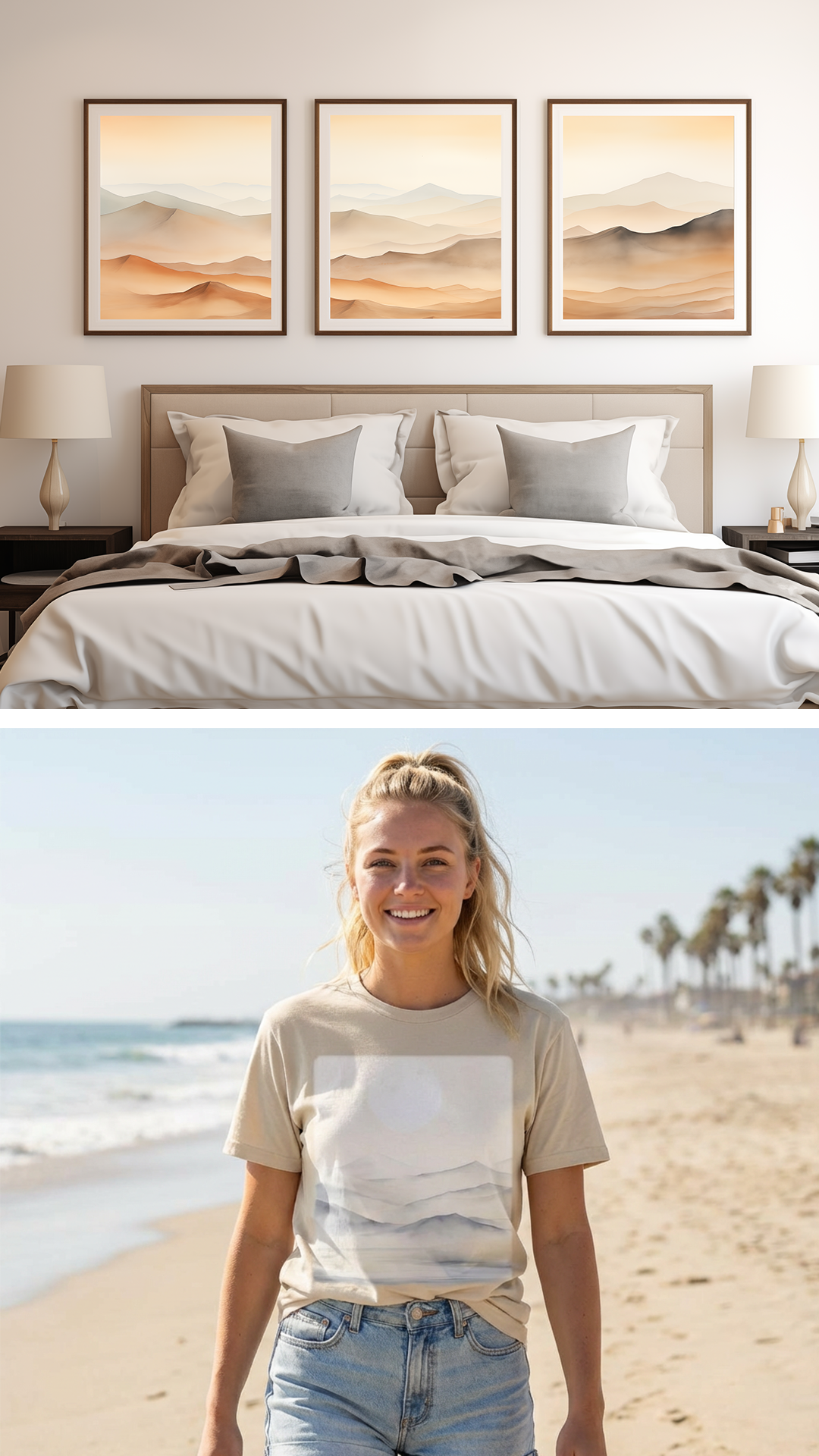
Why It Works in a Room
Muted color: soft palettes that sit naturally with neutral walls, wood and linen. Simple forms: clean shapes that complement your furniture instead of fighting it. Lasting interest: quiet enough to live with, layered enough to keep looking at for years.
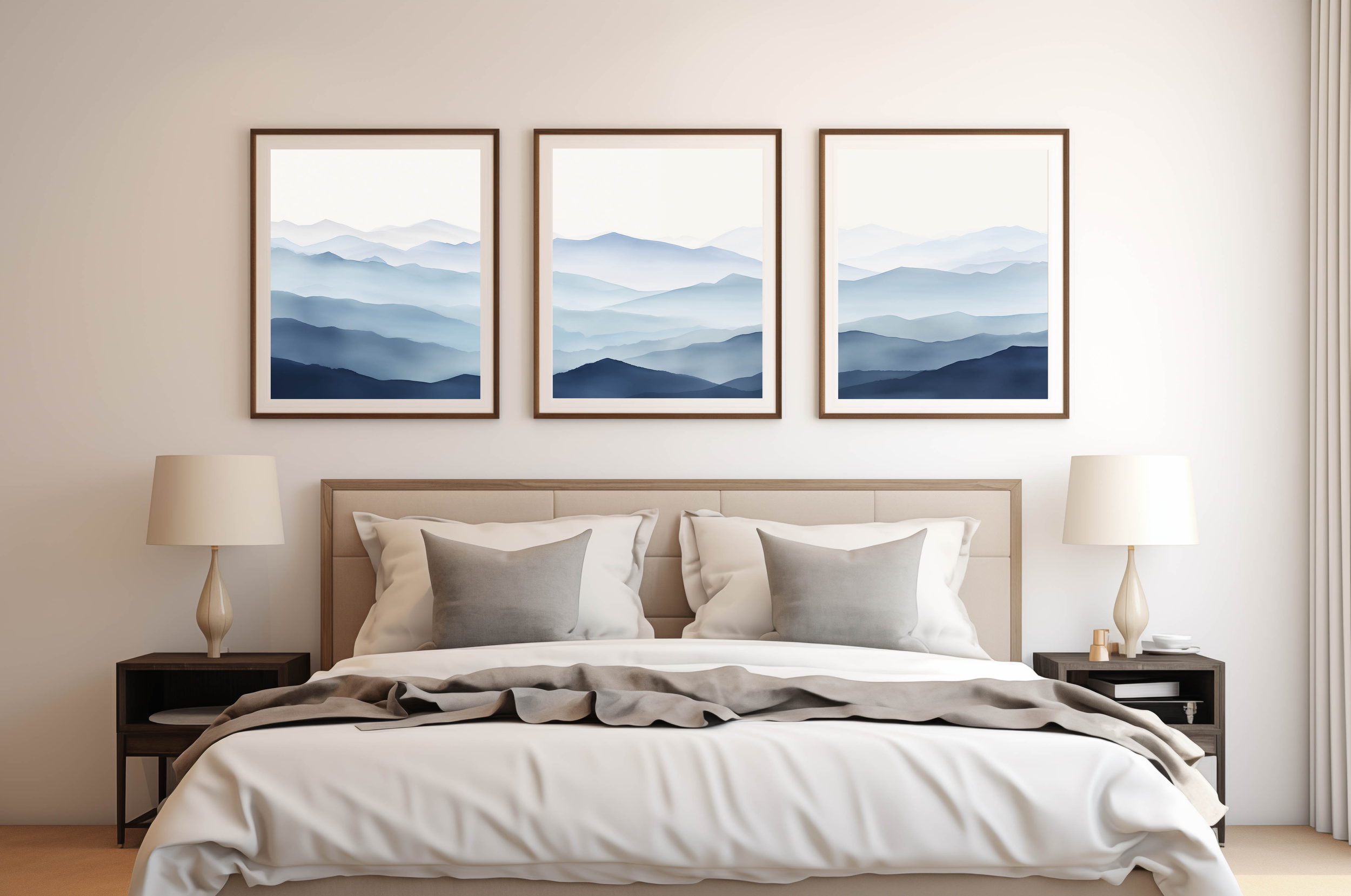
Quiet art usually works best a little larger than you’d expect, because soft color and open space need room to breathe. Use a triptych for long walls above sofas and beds, a single print for entryways and nooks, and float-framed canvas for a clean, gallery look.
Quiet Gifts
For someone with a calm style, or someone who loved one of these places: mugs, shirts, journals and smaller prints that carry the same quiet feeling into everyday life.
Calm & Minimal
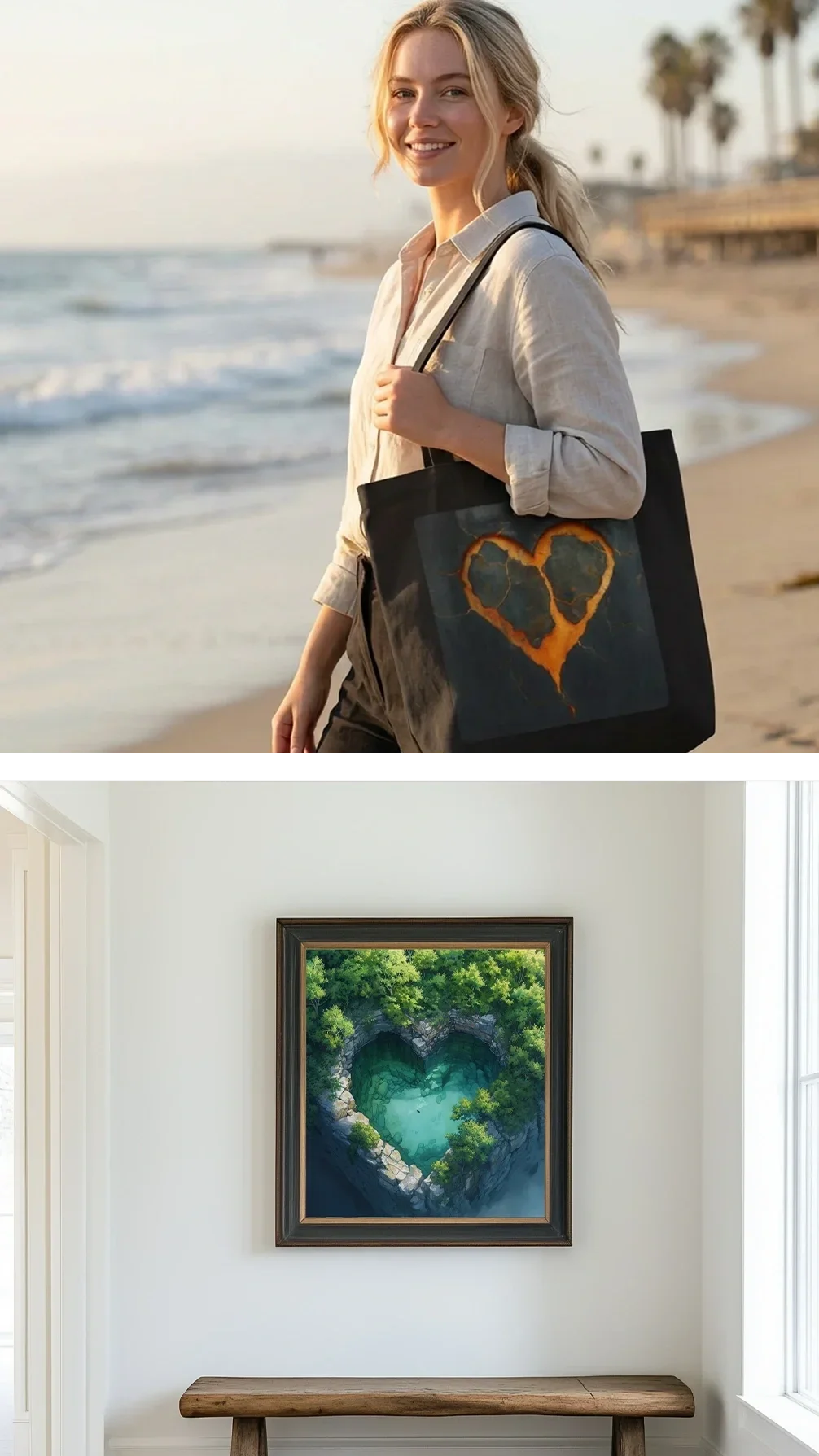
Simple nature prints and quiet everyday gifts for peaceful spaces, calm routines, and neutral interiors.
Heart-shaped natural wonders and love-inspired gifts for meaningful moments, anniversaries, weddings, and everyday connection.
Warm & Earthy
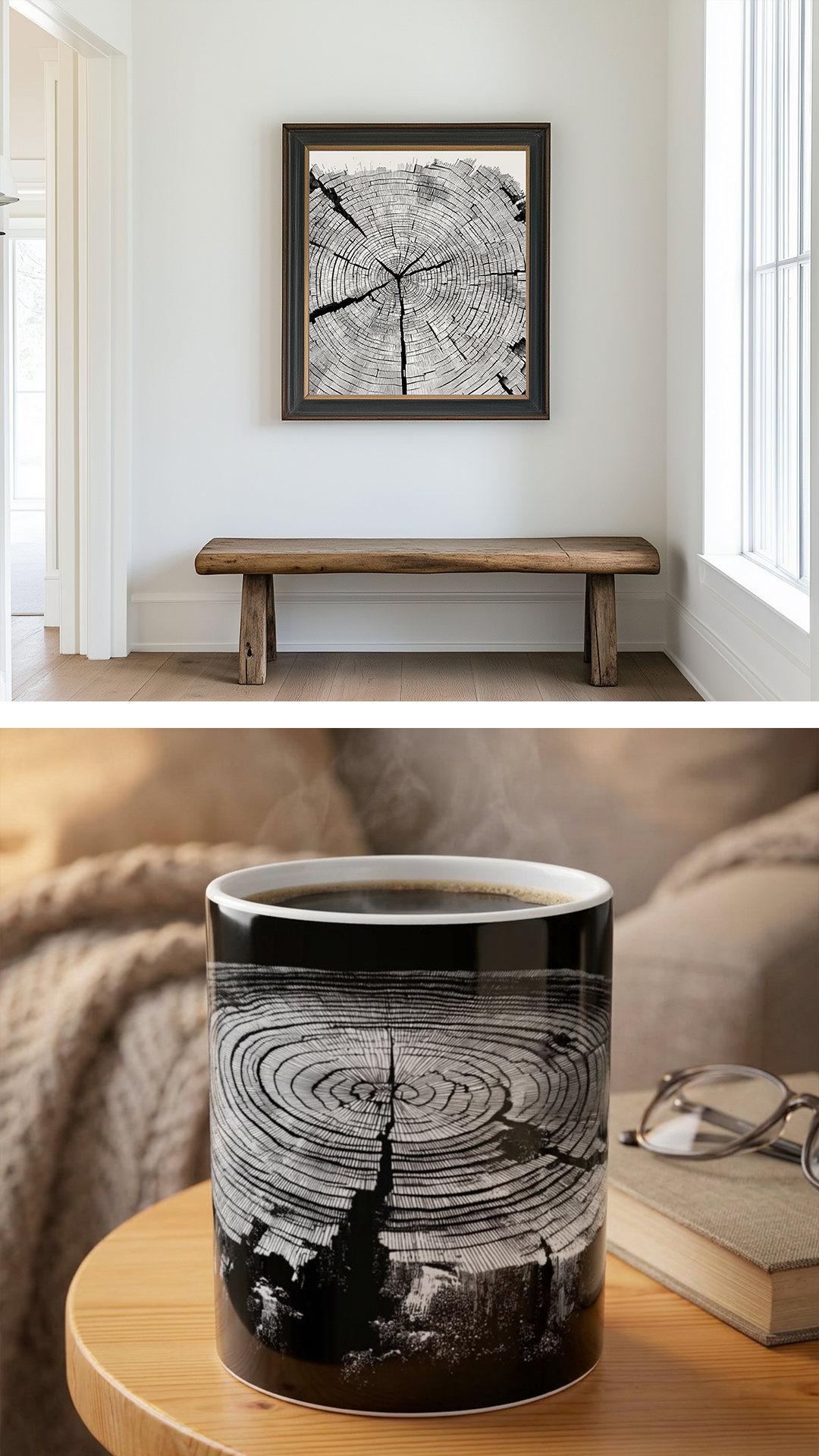
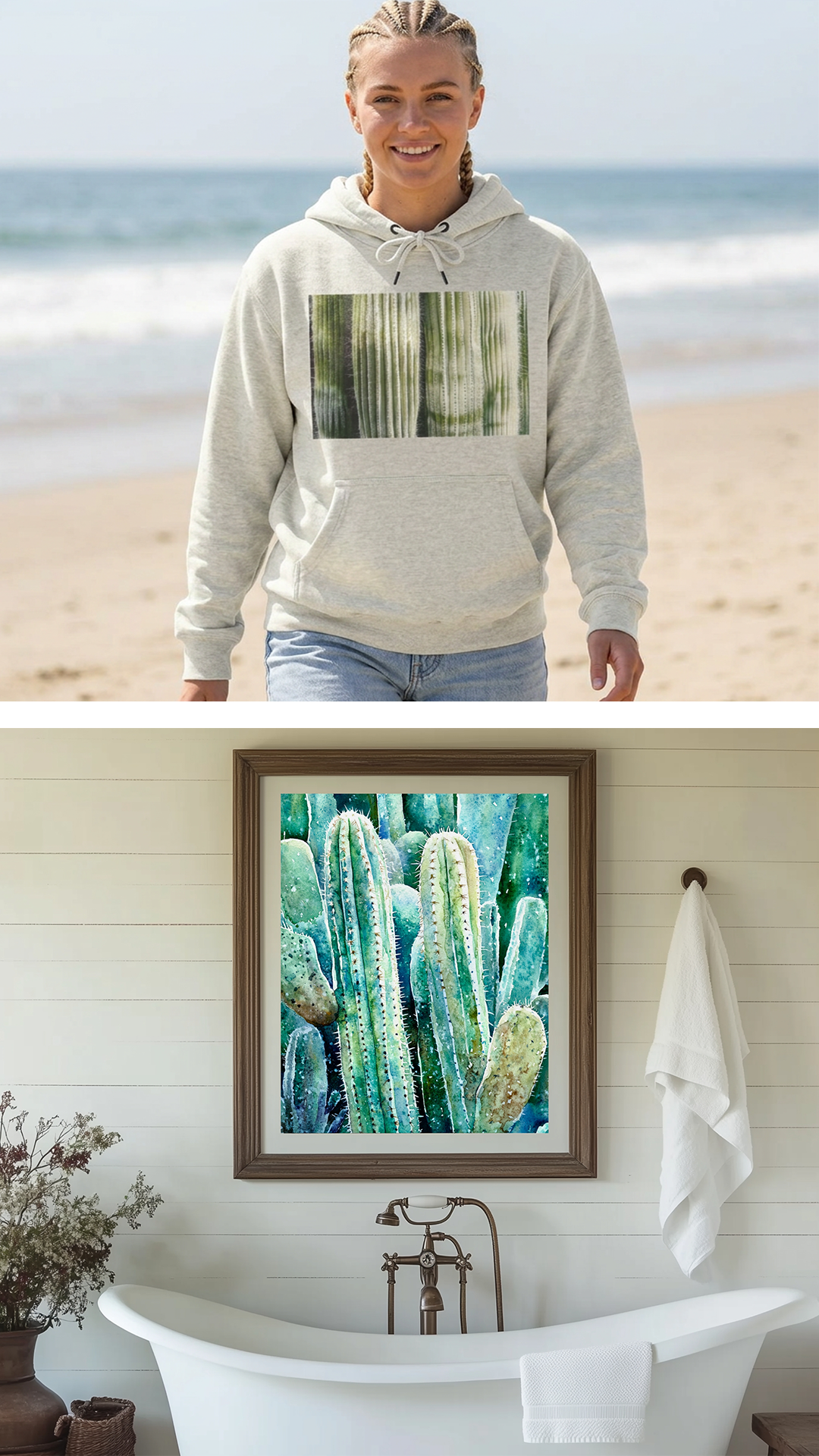
Tree prints, botanical artwork, and nature-inspired gifts connected to growth, roots, renewal, and natural beauty.
Desert watercolor art, sunlit landscapes, and earth-toned gifts inspired by warmth, open space, and grounded living.
Romantic & Symbolic
Organic & Timeless
Best Places to Use Nature Art
Minimalist nature art and organic forms bring calm to any room. Soft horizons, quiet tree lines and simple desert shapes work in bedrooms, living rooms, entryways, offices and kitchens, wherever you want a little more stillness.
Bedrooms
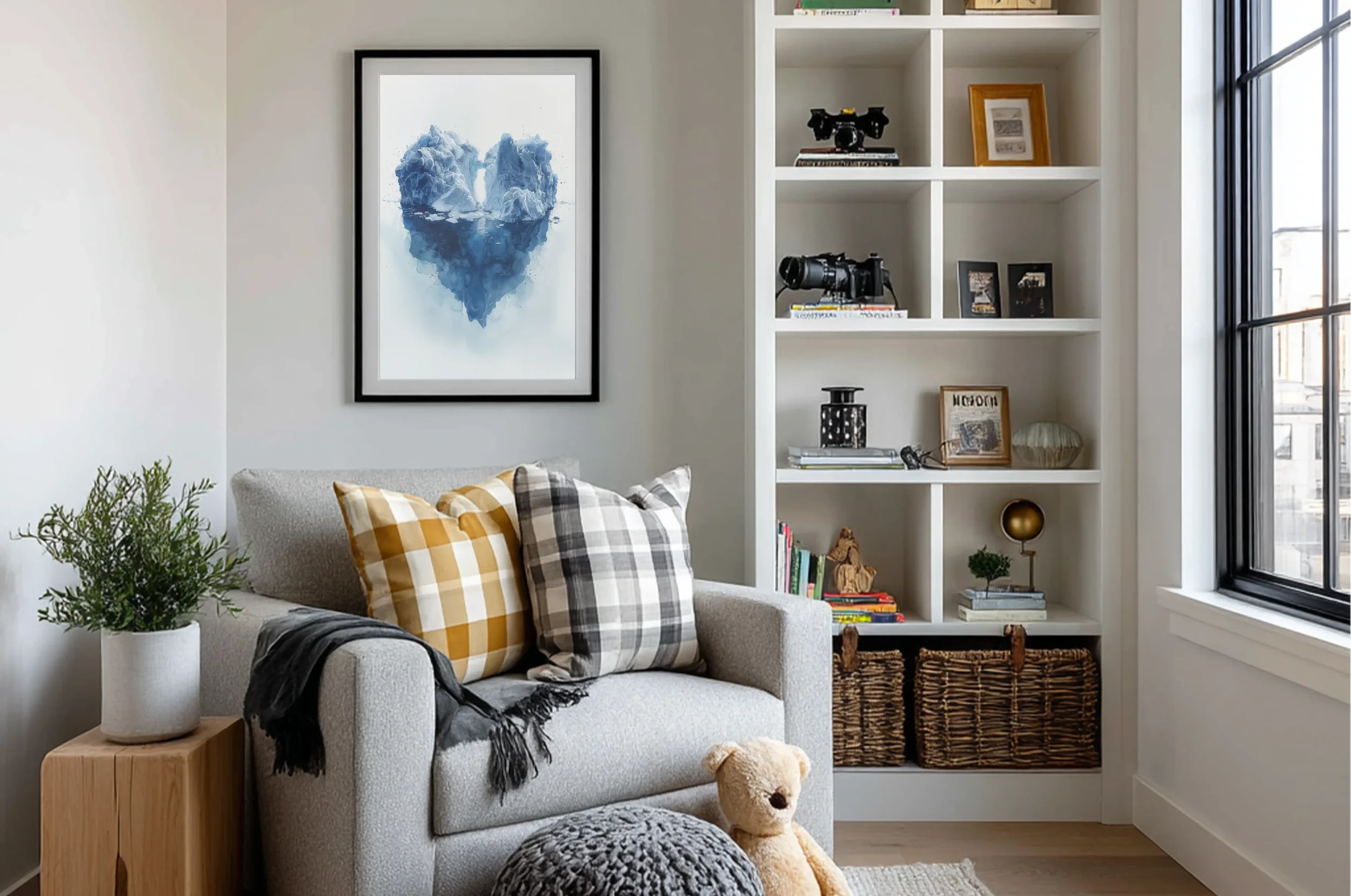
Reading Nooks
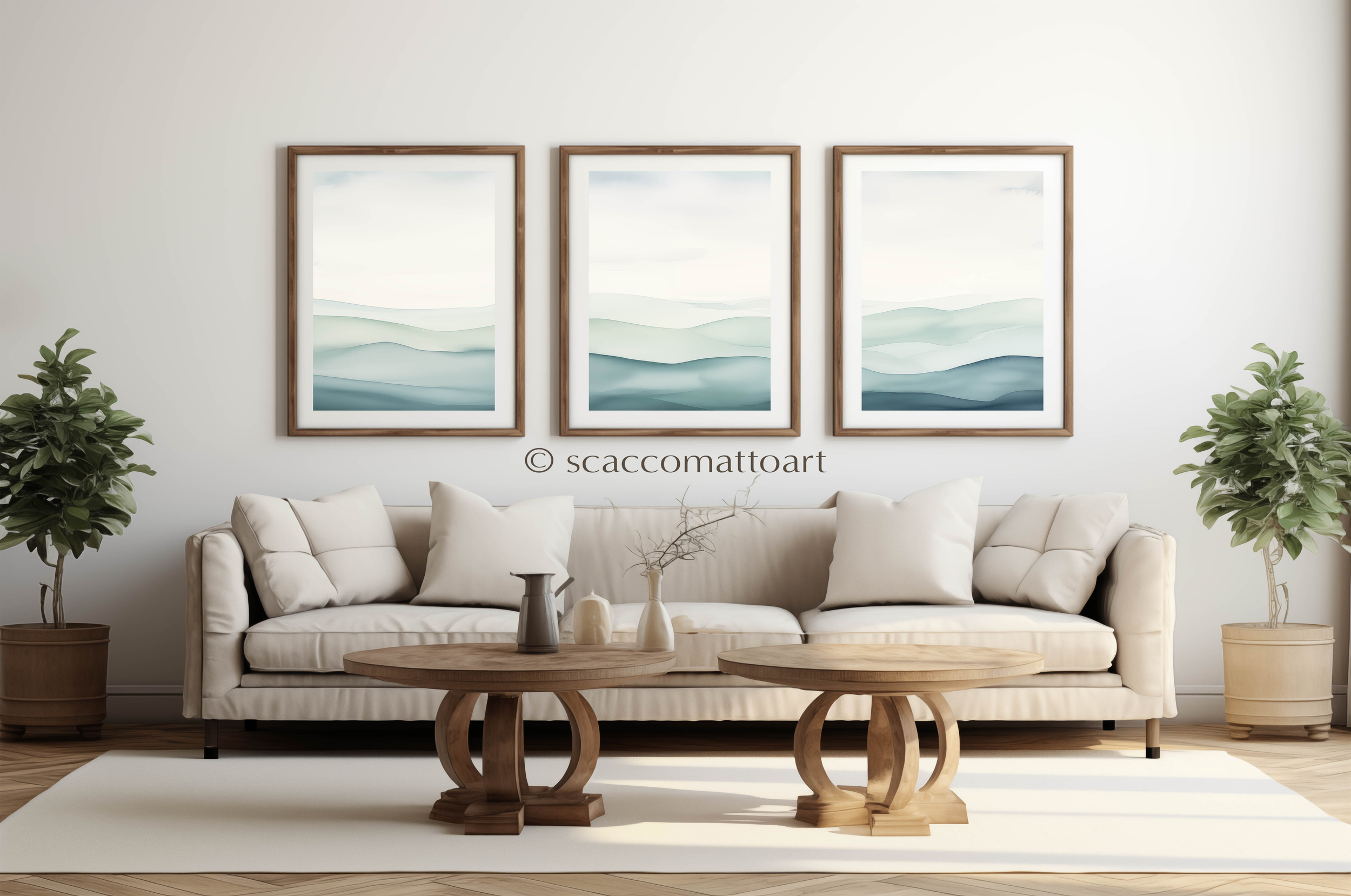
Living Rooms
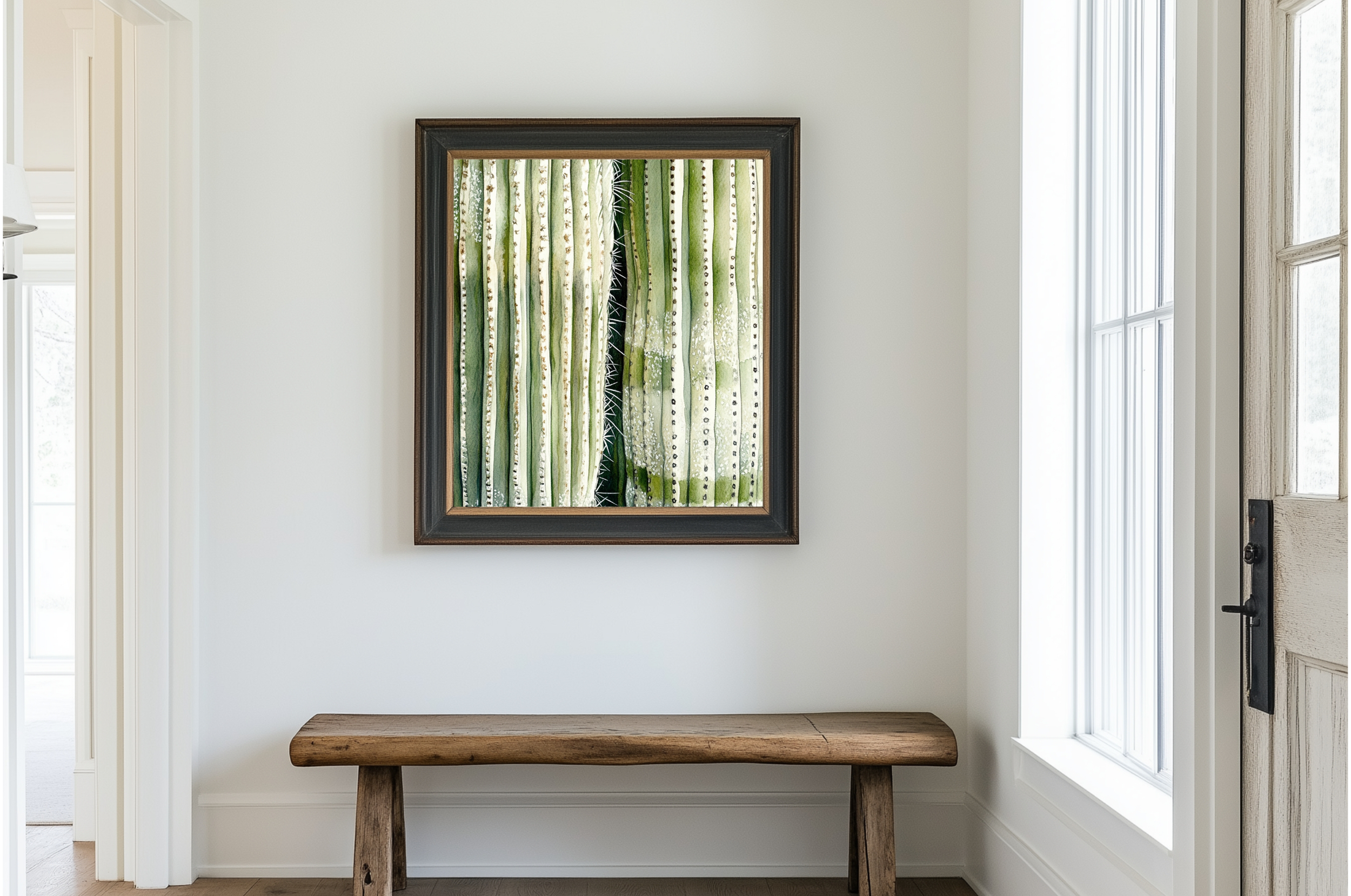
Entry Way
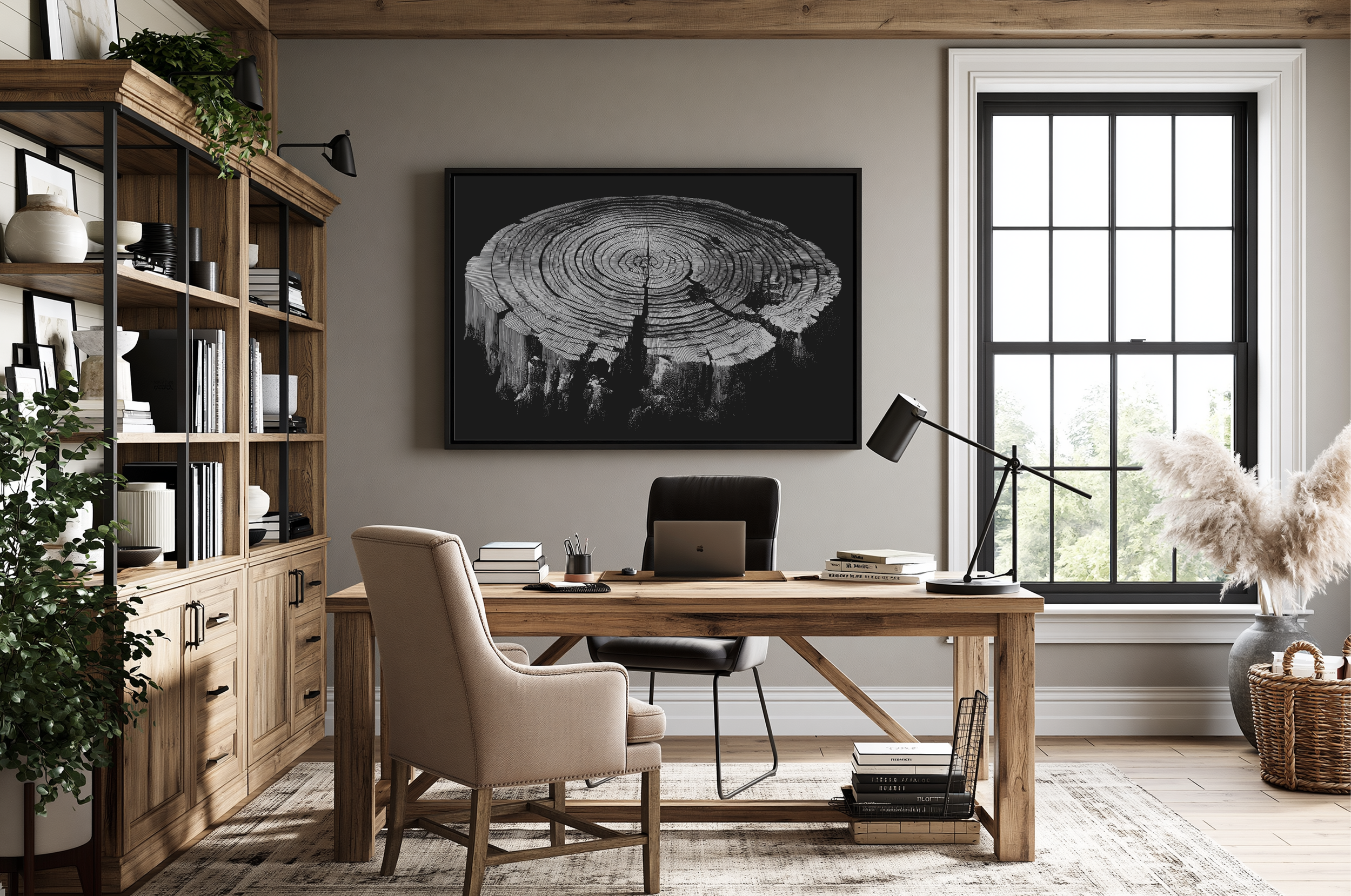
Offices
Kitchen
THE STORY BEHIND THE WORK
I paint nature the way memory holds it. From far away, a place softens until only its color and shape remain. Up close, a cactus or a tree becomes pattern and texture. And sometimes nature simply leaves a heart for you to find.
These pieces are about noticing the quiet beauty that’s easy to miss, and bringing it home in a way that makes a room feel calmer, not busier.
— Nick Scacco
Find the Quiet Piece Your Wall Has Been Waiting For
Quiet Nature Art: Frequently Asked Questions
-
Sometimes, but that isn’t the point. Each piece holds the feeling of a place, like the color of the water or the shape of the hills, rather than its details. That means it works in any room, whether or not you’ve been there.
-
This Nature Art & Gifts collection includes minimalist nature prints, tree wall art, desert watercolor art, botanical-inspired designs, love nature artwork, and natural forms shaped by landscapes, forests, deserts, water, light, and organic textures.
-
Yes. Nature prints work beautifully in bedrooms, living rooms, offices, entryways, nurseries, reading corners, yoga spaces, and calm interior spaces. Minimalist landscapes, tree prints, desert art, and organic nature designs can help a room feel grounded, peaceful, and connected to the outdoors.
-
Yes. Their natural heart shapes make them meaningful gifts for Mother’s Day, anniversaries, weddings and engagements, or simply for telling someone you love them in a quiet way.
-
Good nature-inspired gifts include wall art prints, mugs, shirts, hoodies, journals, yoga mats, tote bags, and home decor featuring landscapes, trees, desert scenes, botanical designs, and natural textures. These pieces are especially fitting for nature lovers, hikers, gardeners, travelers, teachers, and people who feel most at home outside.
-
Minimalist nature art uses simplified landscapes, organic shapes, soft colors, and quiet compositions to create a calm visual feeling. It is often a good choice for modern interiors, neutral rooms, bedrooms, offices, and spaces designed around simplicity and stillness.
-
Tree prints often symbolize growth, roots, renewal, strength, family, memory, and connection to the natural world. Because of that, tree wall art can work well in homes, offices, nurseries, meditation spaces, and meaningful gift collections.
-
Muted color, simple natural forms and open space. These pieces add to a room without becoming the loudest thing in it, so they sit easily with neutral, warm and natural interiors.
-
Yes. Nature-inspired mugs, shirts, hoodies, journals, and everyday gifts are a good choice when you want something useful, personal, and connected to the outdoors. They allow the artwork to become part of someone’s daily routine, not just something displayed on a wall.
-
Start with the feeling you want the piece to carry. Choose calm and minimal artwork for peaceful spaces, warm desert art for earthy interiors, heart-shaped natural wonders for romantic or symbolic gifts, and tree prints or botanical designs for a timeless connection to growth, roots, and renewal.