
Handmade Wooden Pizza Tools: Madia, Dough Proofing Box & Prep Surface
Everything you need for true Neapolitan pizza at home, handmade in sustainable heartwood pine. Mix in the madia, proof in the box, stretch on the prep lid.
★ 4.9 from 160+ home pizza makers · Free US shipping · Made to order in 3 business days
Shop the Ultimate Pizza Bundle
From flour to pizza night
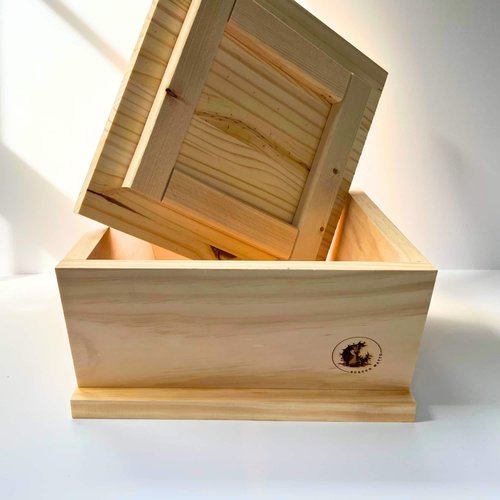 1 · Mix
Traditional Neapolitan Madia
From $145
The Italian dough trough for mixing, kneading and bulk fermentation. 2–4 pizzas.
Shop now →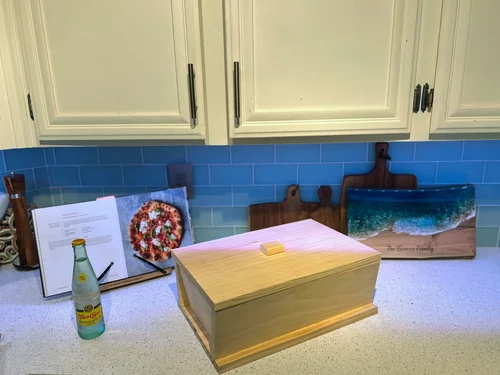 1 · Mix big
Large Neapolitan Madia
From $200
17.75 × 12 × 6 in, sized for 6–10 pizzas or a full bread batch.
Shop now →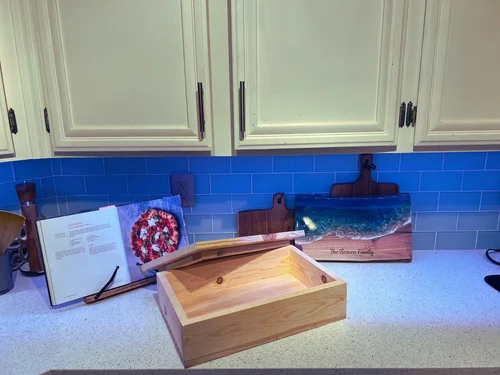 2 · Proof
Wooden Dough Proofing Box
$180 · $220 with prep lid
Holds six 250 g dough balls. Wood absorbs excess condensation while the lid keeps the dough from drying out.
Shop now →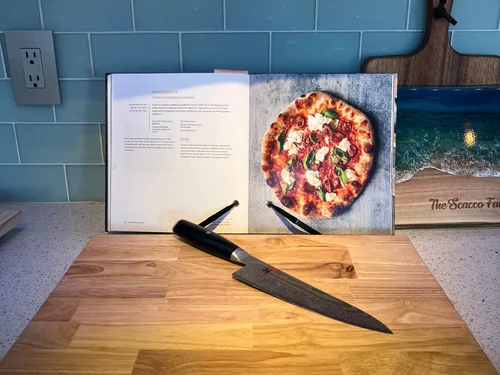 3 · Prep
Hevea Prep Surface
$90
17.5 × 12 × 1.5 in butcher block that nests on the box. Flip it and stretch right there.
Shop now →Which madia is right for me?
| Traditional Madia | Large Madia | |
|---|---|---|
| Size | 12 × 12 × 6 in | 17.75 × 12 × 6 in |
| Pizzas per batch | 2–4 | 6–10 |
| Dough capacity (flour + water) | 1,100–1,600 g | 1,600–3,000 g |
| Best for | Couples, weeknight pizza | Parties, bread bakers, Ooni and Gozney owners |
| Price | $145 · $185 with lid | $200 · $260 with lid · $280 with prep lid |
How it works
1. Mix & bulk ferment
Combine flour, water, salt and yeast directly in the madia. Wood holds a steady temperature for an even first rise.
2. Ball & proof
Weigh out 250 g balls, set six in the proofing box and put the lid on. The wood soaks up condensation, so the balls stay supple instead of sweating or sticking.
3. Stretch & top
Flip the prep lid, dust it with flour, and open each ball right beside your oven.
Why wood?
Before plastic tubs, Neapolitan families mixed and rested dough in a wooden madia passed down for generations. Wood breathes: it absorbs the condensation that would otherwise drip back onto the dough, and it buffers temperature, while the lid keeps the dough from drying out. That balance is why pizzaioli still proof in wooden boxes. Each piece is cut, joined and finished by hand at Scacco Matto with food-safe finishes only.
The Timeless Tradition of the Madia →
Frequently asked questions
What is a madia?
A madia is a traditional Italian wooden trough used for mixing, kneading and resting bread and pizza dough. Neapolitan families used one for generations before plastic tubs existed.
Why proof pizza dough in wood instead of plastic?
In a sealed plastic tub, condensation collects on the lid and walls and drips back onto the dough, making it wet and sticky. Wood absorbs that excess condensation, while the lid keeps the balls covered so their surface never dries out. The result is supple dough that releases cleanly and stretches without tearing.
How many dough balls fit in the proofing box?
Six dough balls of 250 g each, a full home pizza night.
Which madia size do I need?
The Traditional Madia (12 x 12 x 6 in) holds 1,100 to 1,600 g of flour and water, enough for 2 to 4 pizzas. The Large Madia (17.75 x 12 x 6 in) holds 1,600 to 3,000 g, enough for 6 to 10 pizzas or a full bread batch.
How do I clean a wooden dough box?
Scrape out dough, brush away flour, and wipe with a barely damp cloth. Never soak it or put it in the dishwasher. Rub in food-grade mineral oil once a month.
Will the dough stick to the wood?
Lightly flour or semolina-dust the box before proofing. Seasoned wood releases dough cleanly.
Can I cold ferment dough in the fridge in the box?
Yes. The proofing box works for 24 to 72 hour cold fermentation in the refrigerator. Keep the lid on so the dough balls don't dry out.
How long does shipping take?
Each piece is made to order in 3 business days, then ships free within the US. Returns are accepted for 30 days.
From the Pizza School blog
Explore More Collections
-
![A triptych landscape painting of a canyon with orange and white rock formations, trees, and a river flowing through the rocks.]()
US National Park Art
-
![Painting of an osprey bird catching fish in water, displayed on a wall with a window on the right side.]()
Animal Art
-
![Three framed watercolor paintings of athletic shoes, a basketball, and a football, displayed on a wall in a room.]()
Nursery Art
-
![Interior of a room with white paneled walls, a framed abstract green cactus artwork, a tall white vase with dried branches on a wooden table, and a partially visible wooden dresser on the right.]()
Botanical Art
-
![Abstract artwork with swirling orange, teal, gray, and black colors in a wooden frame on a white wall.]()
Love's Nature Art
-
![Decorative wall art featuring three framed landscape paintings with soft, abstract mountain and sky scenes above a wooden sideboard. The sideboard holds various vases, books, and decorative objects, with dried branches in vases on either end.]()
Modern Minimalist Art


