★ 4.9 from 160+ collectors and home pizza makersFree US shipping · Made to order in 3 business days · 30-day returns, buyer ships back
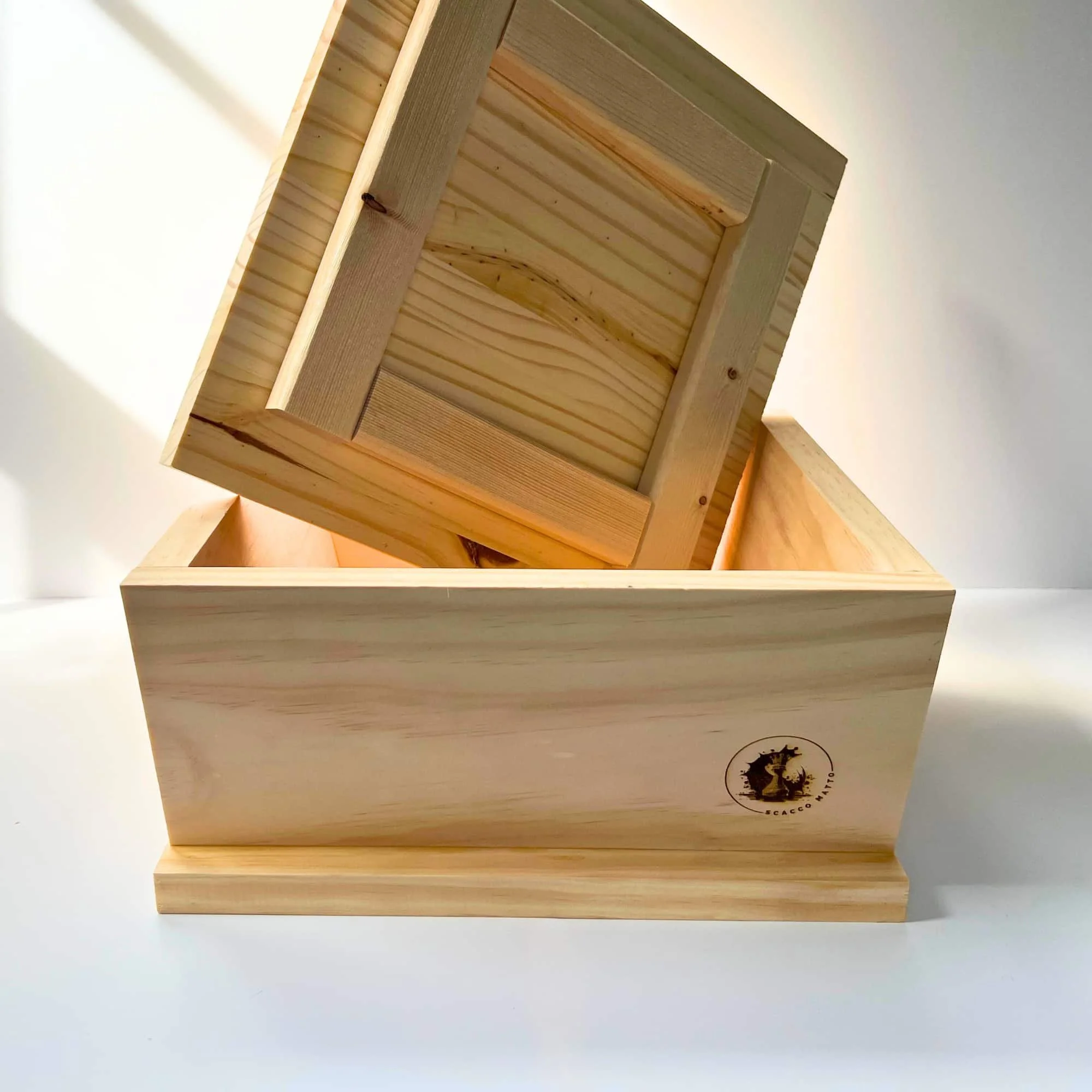
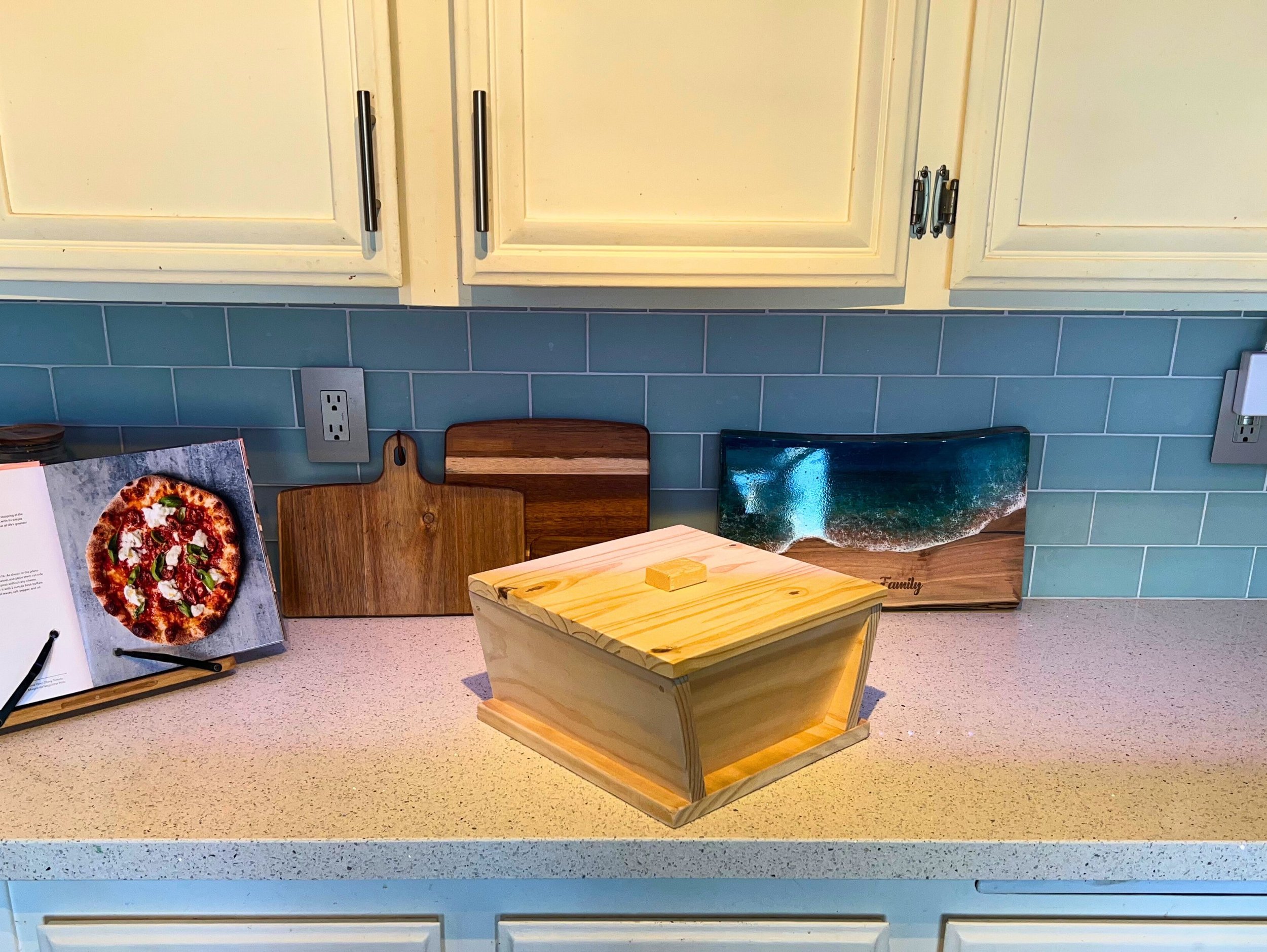
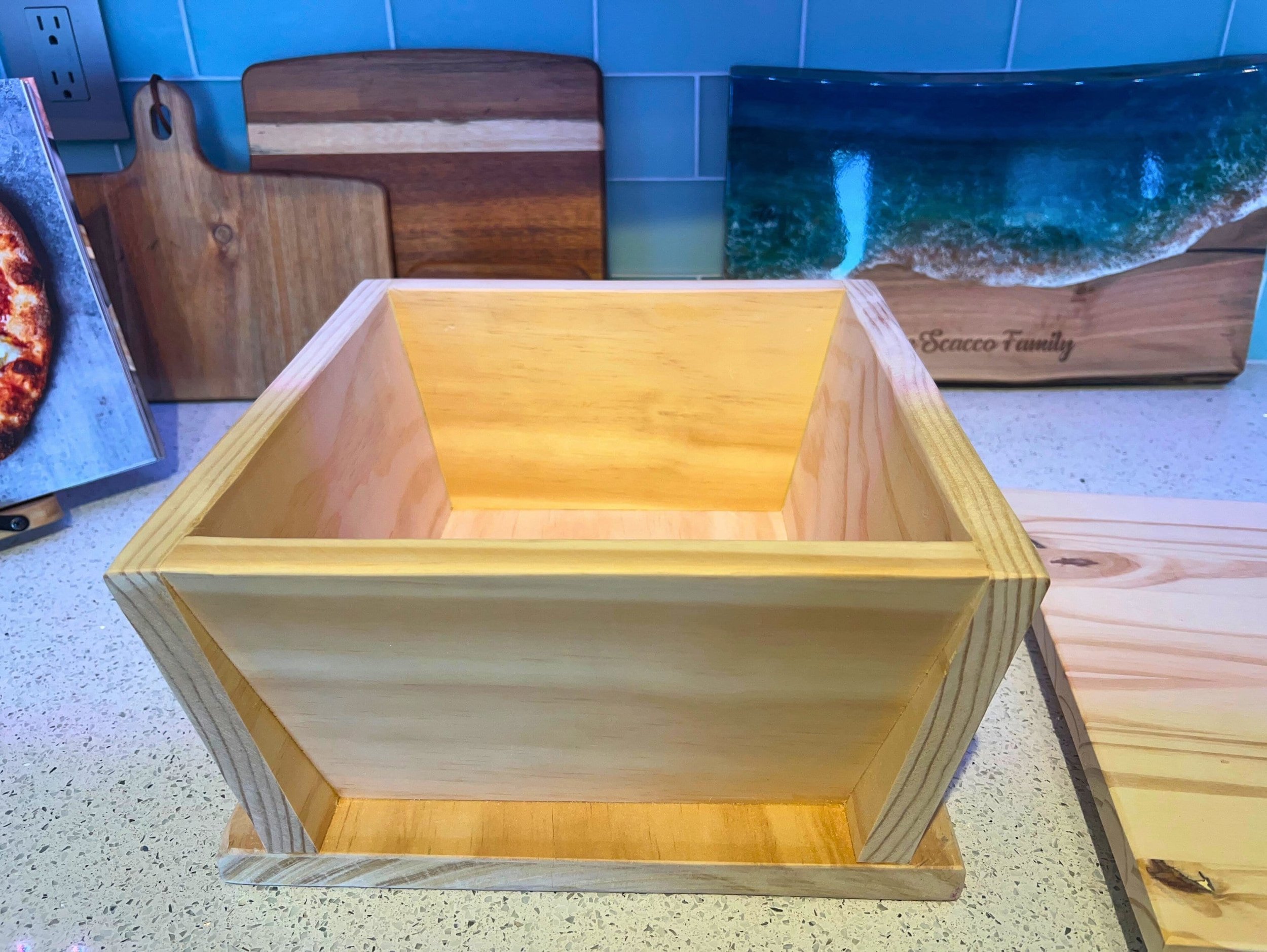
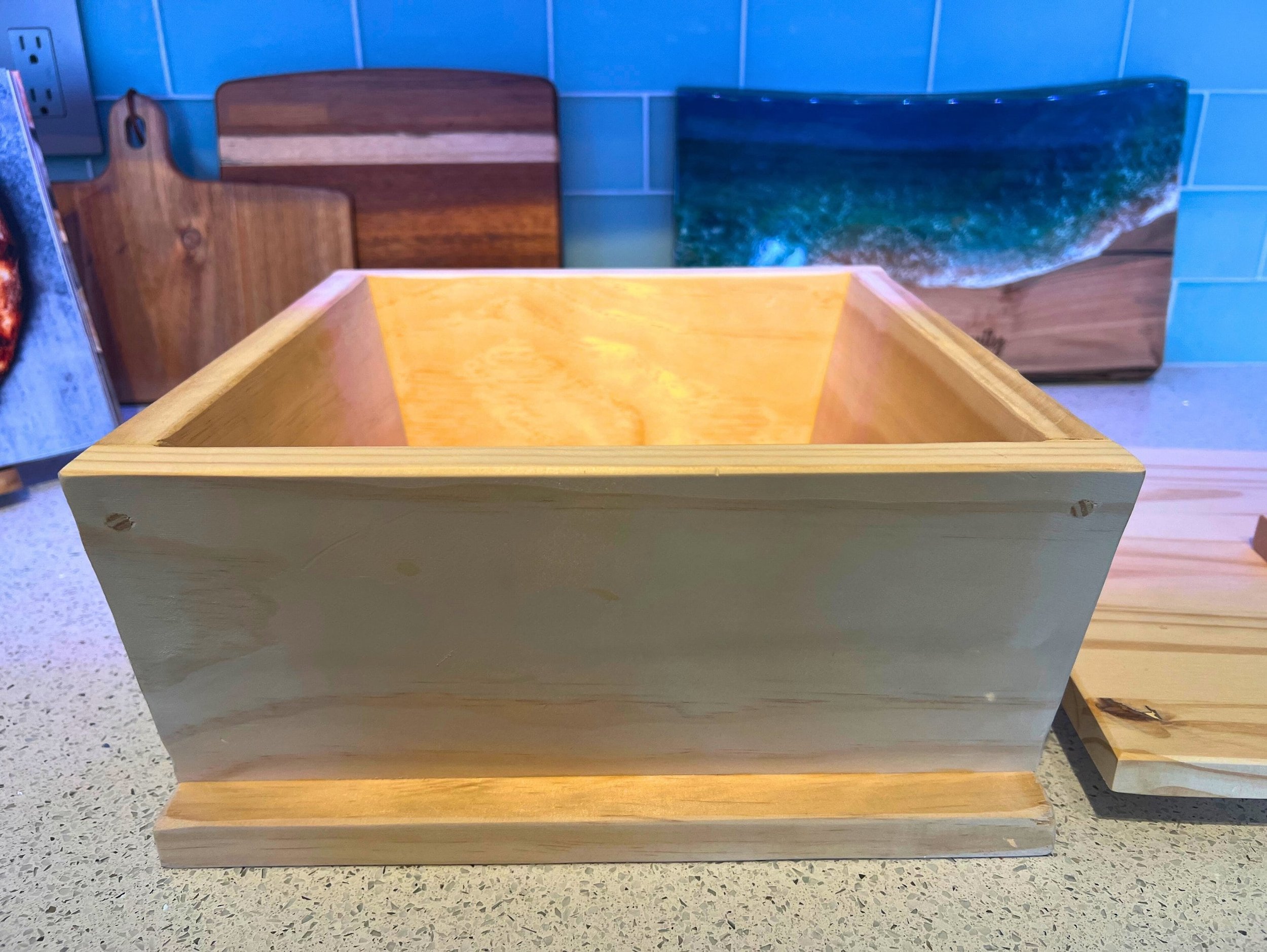
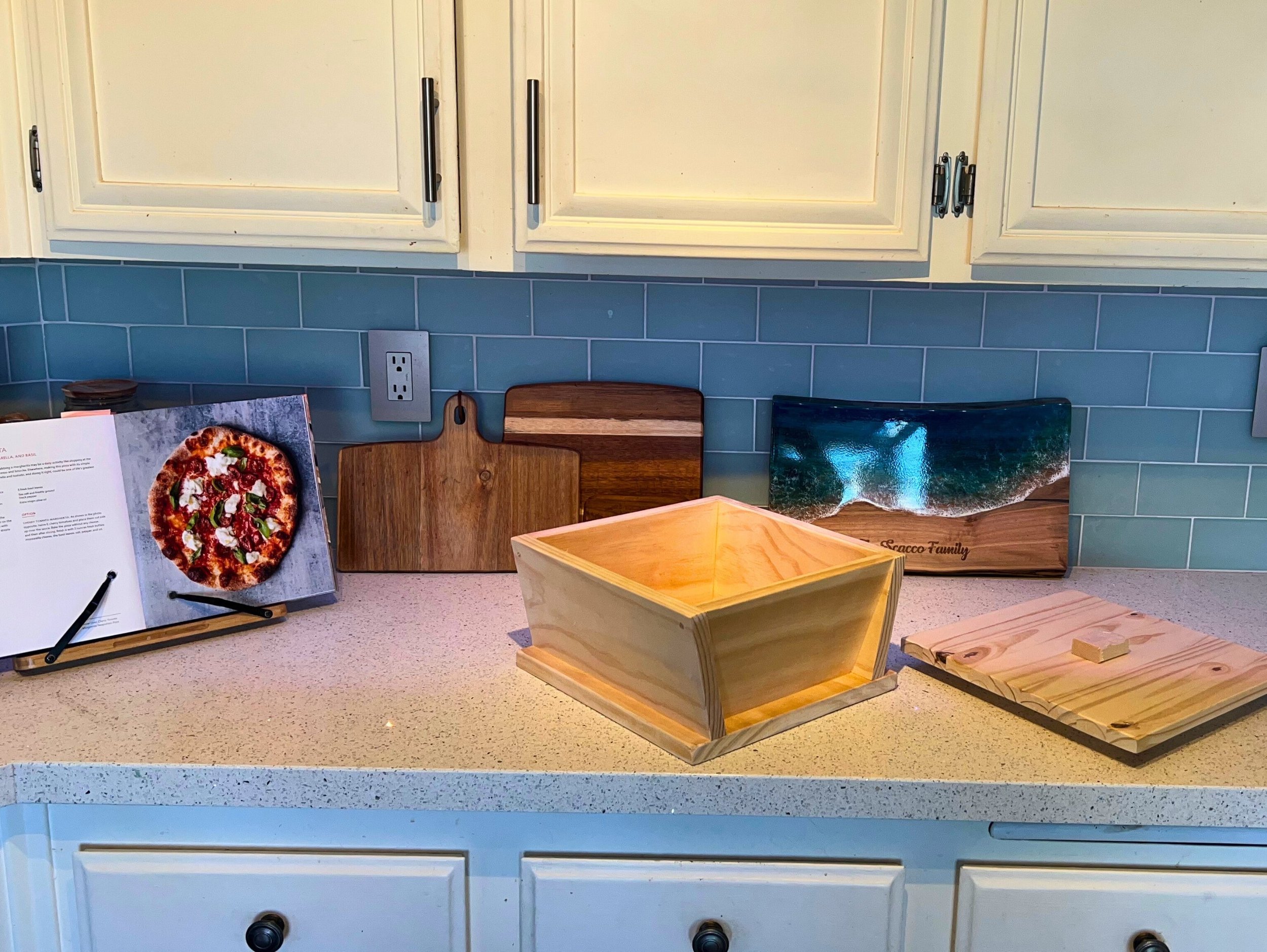
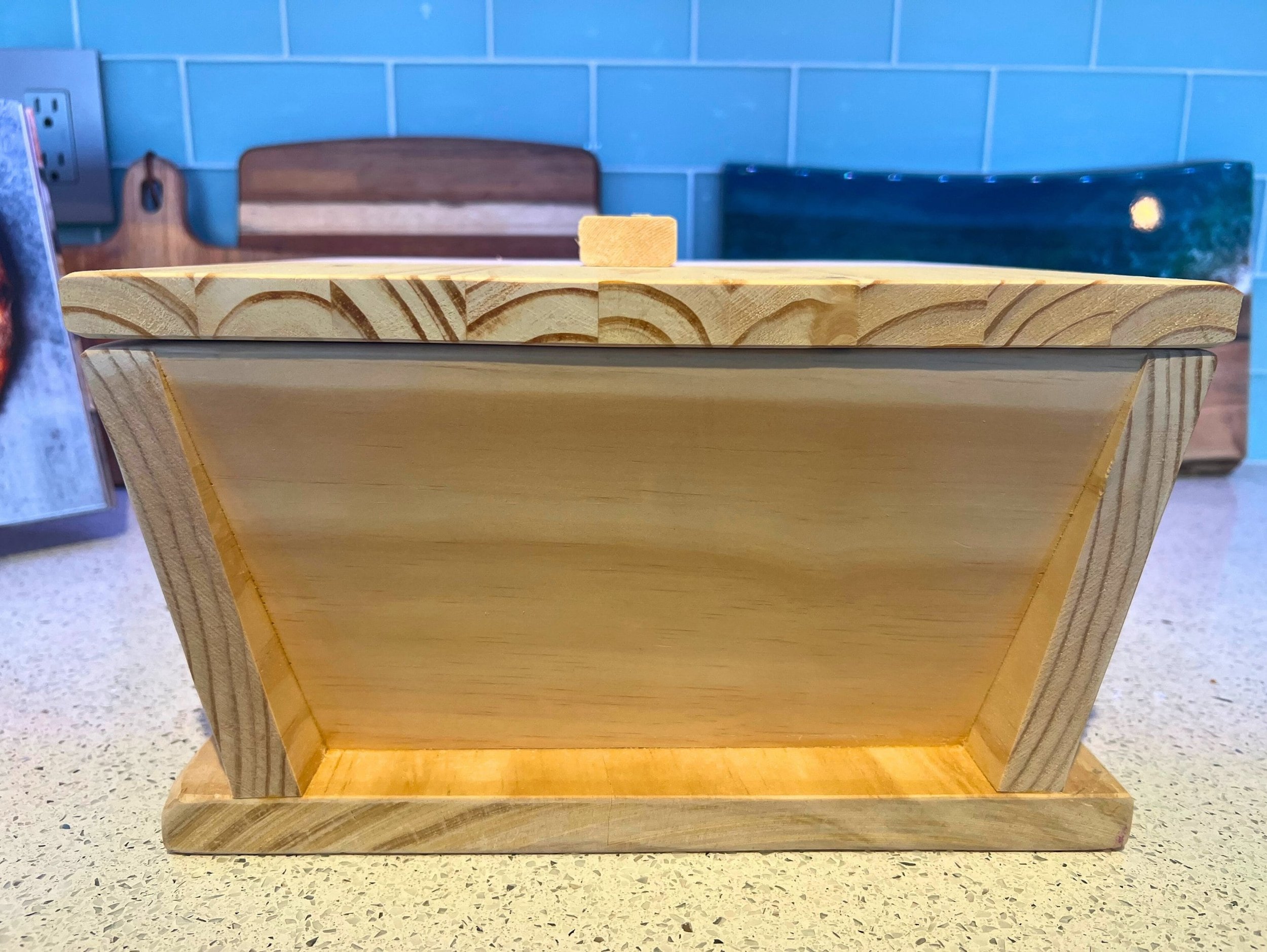
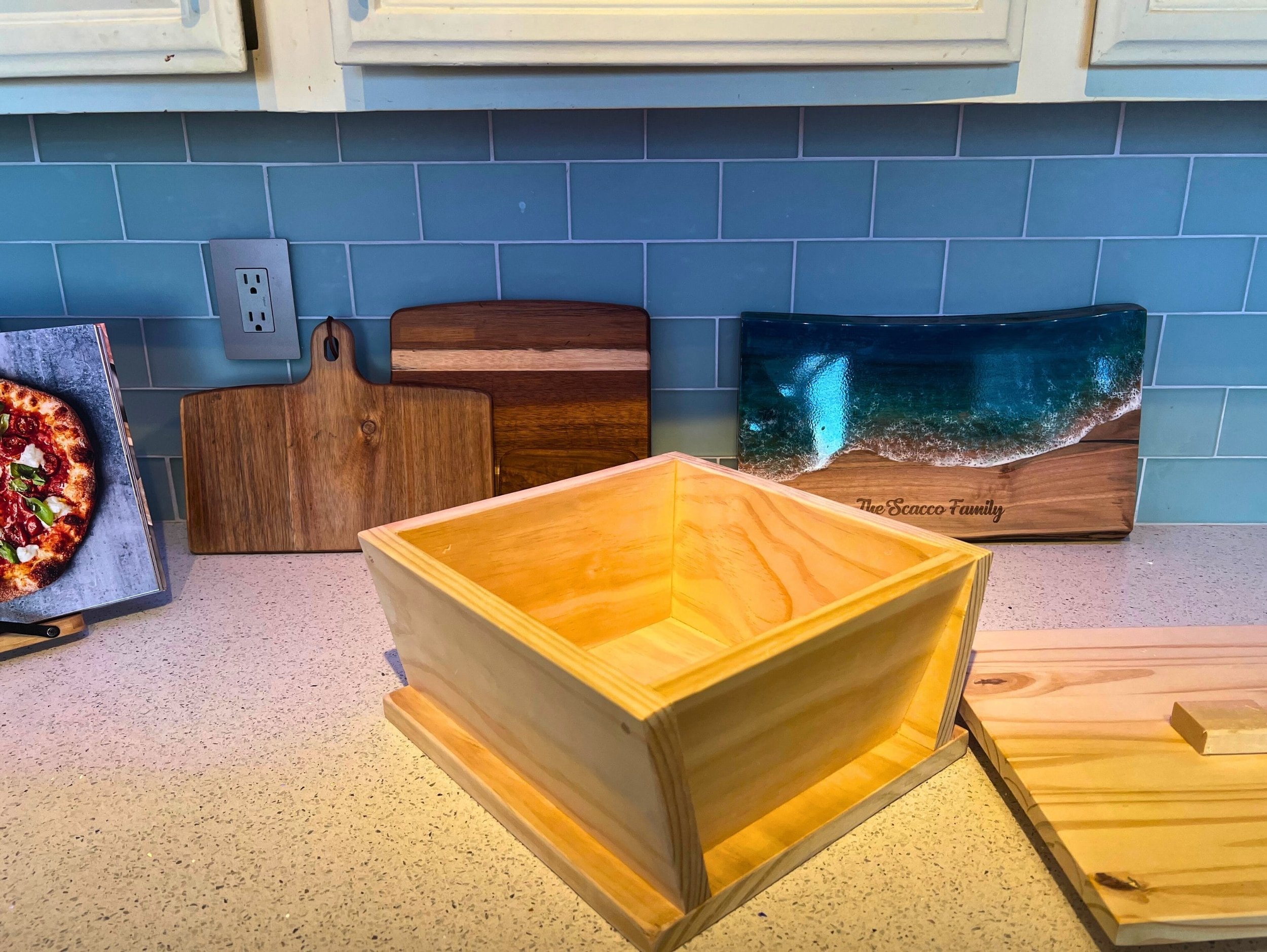
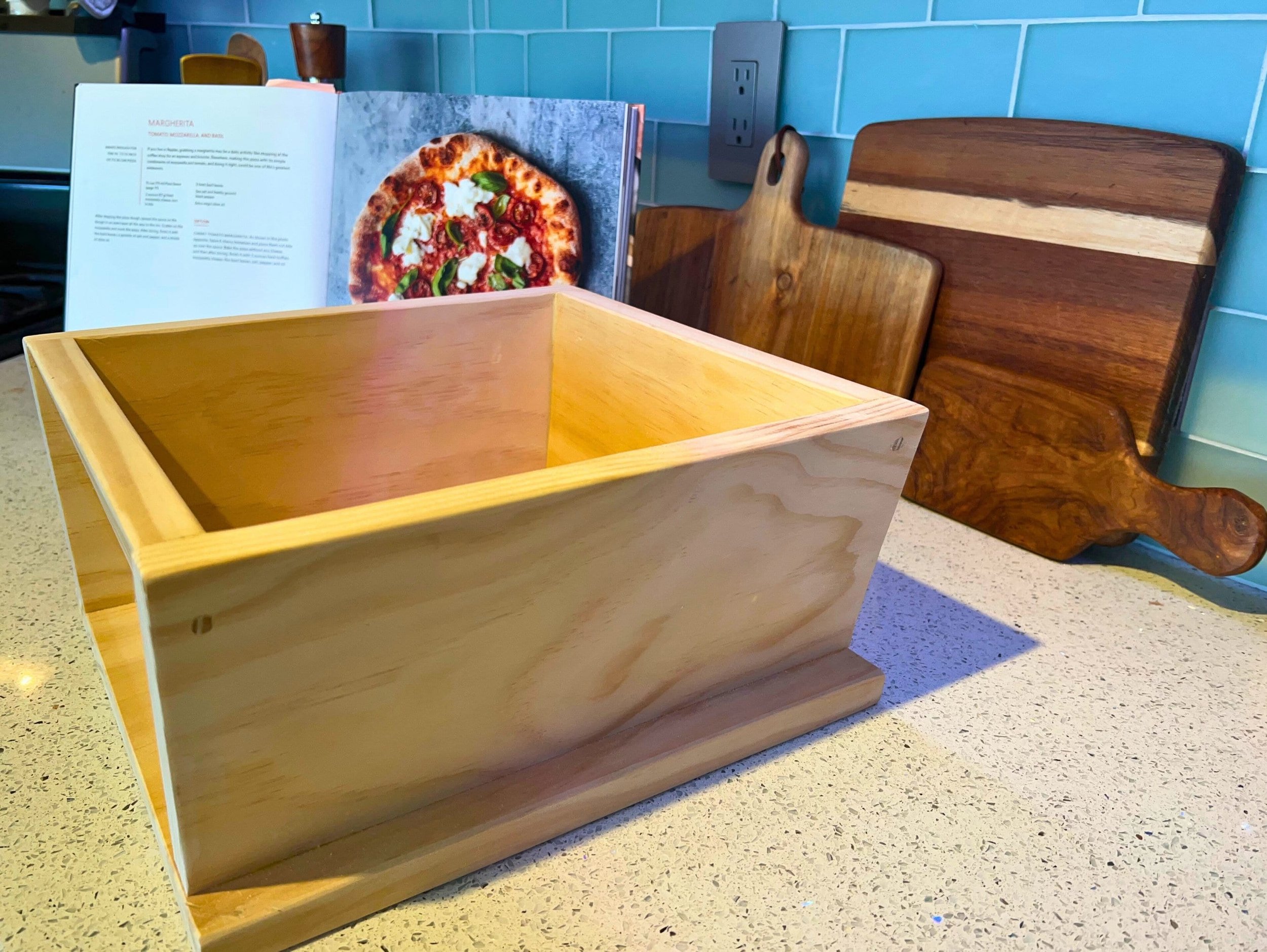
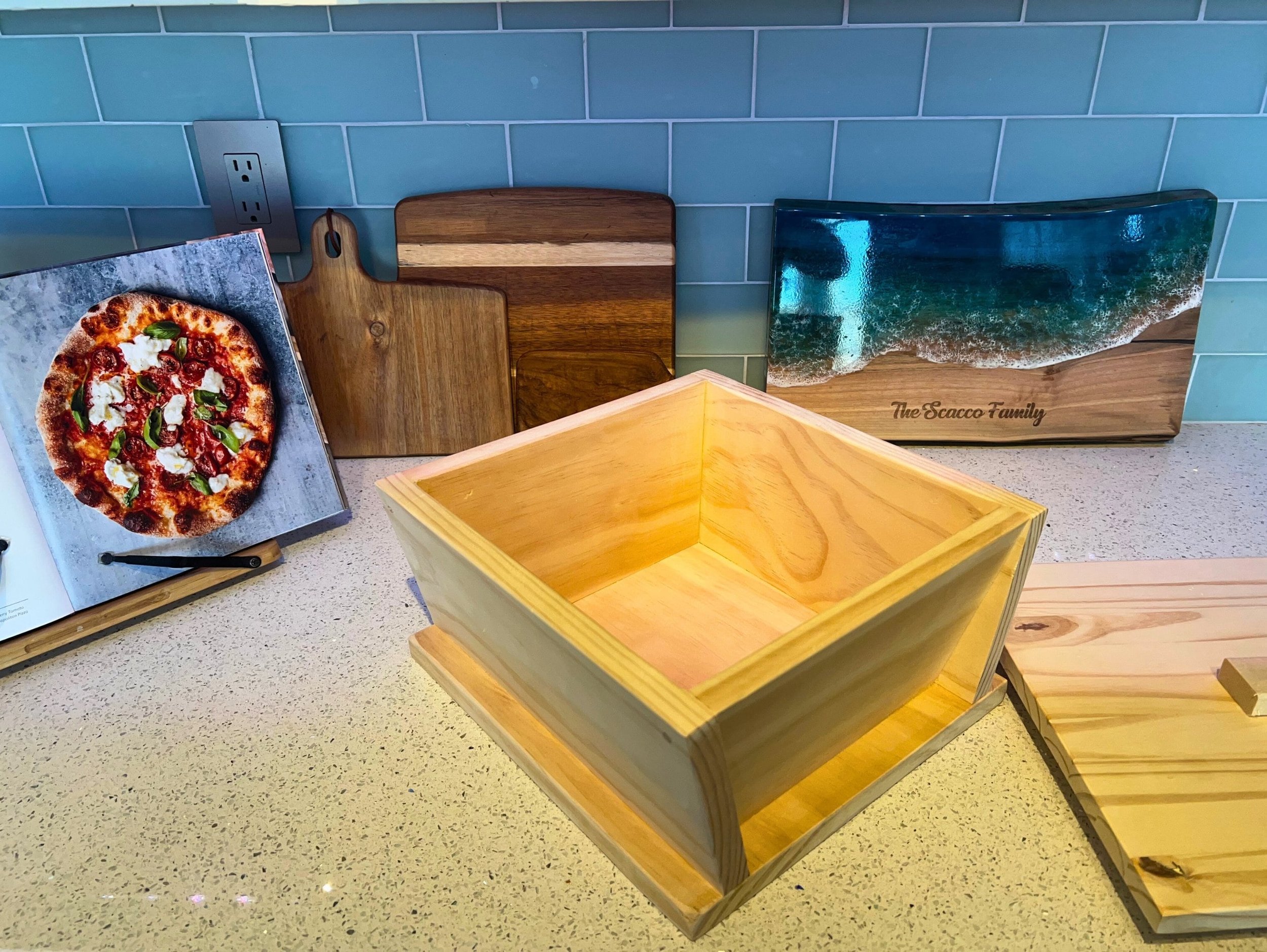
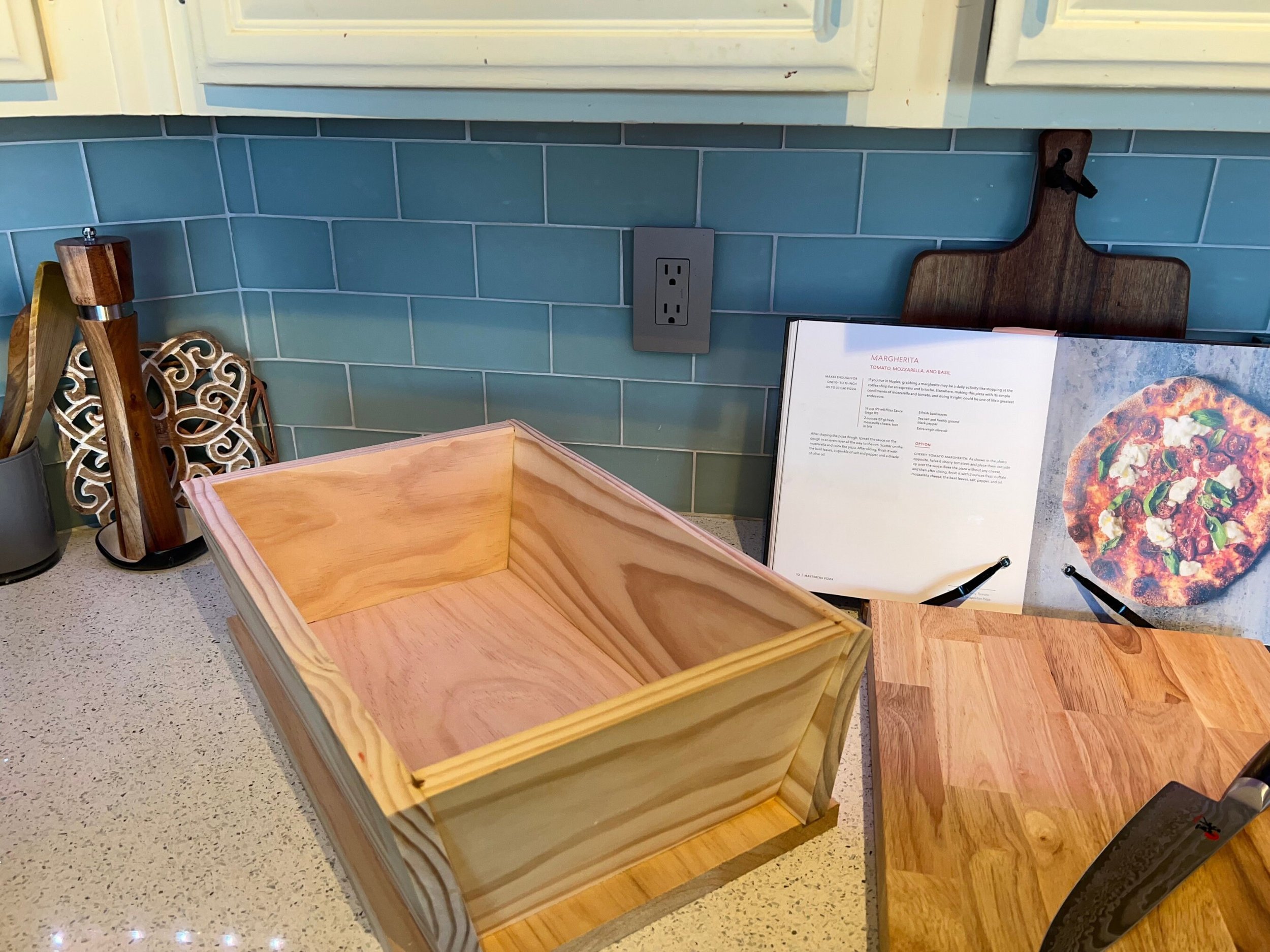
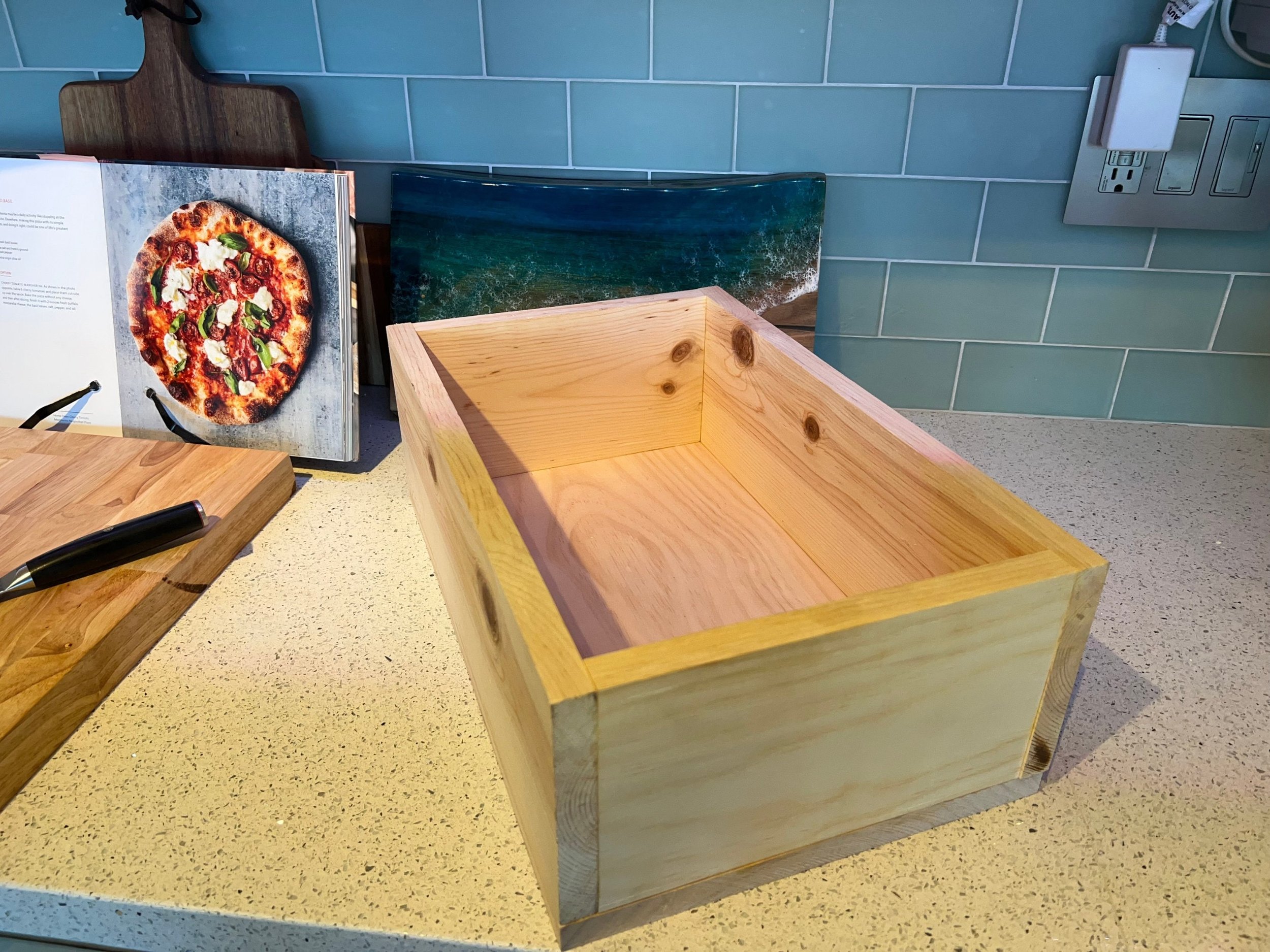
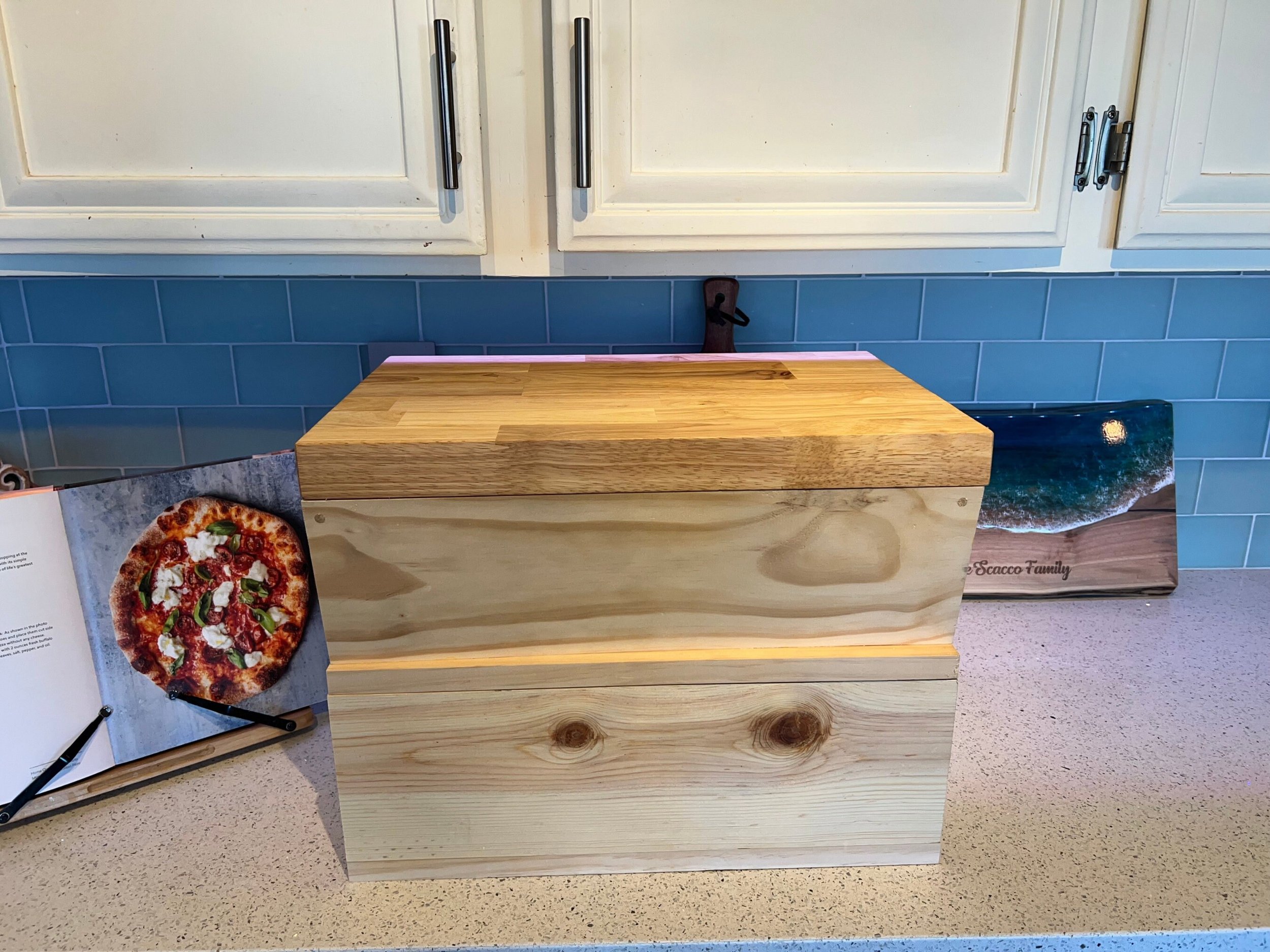
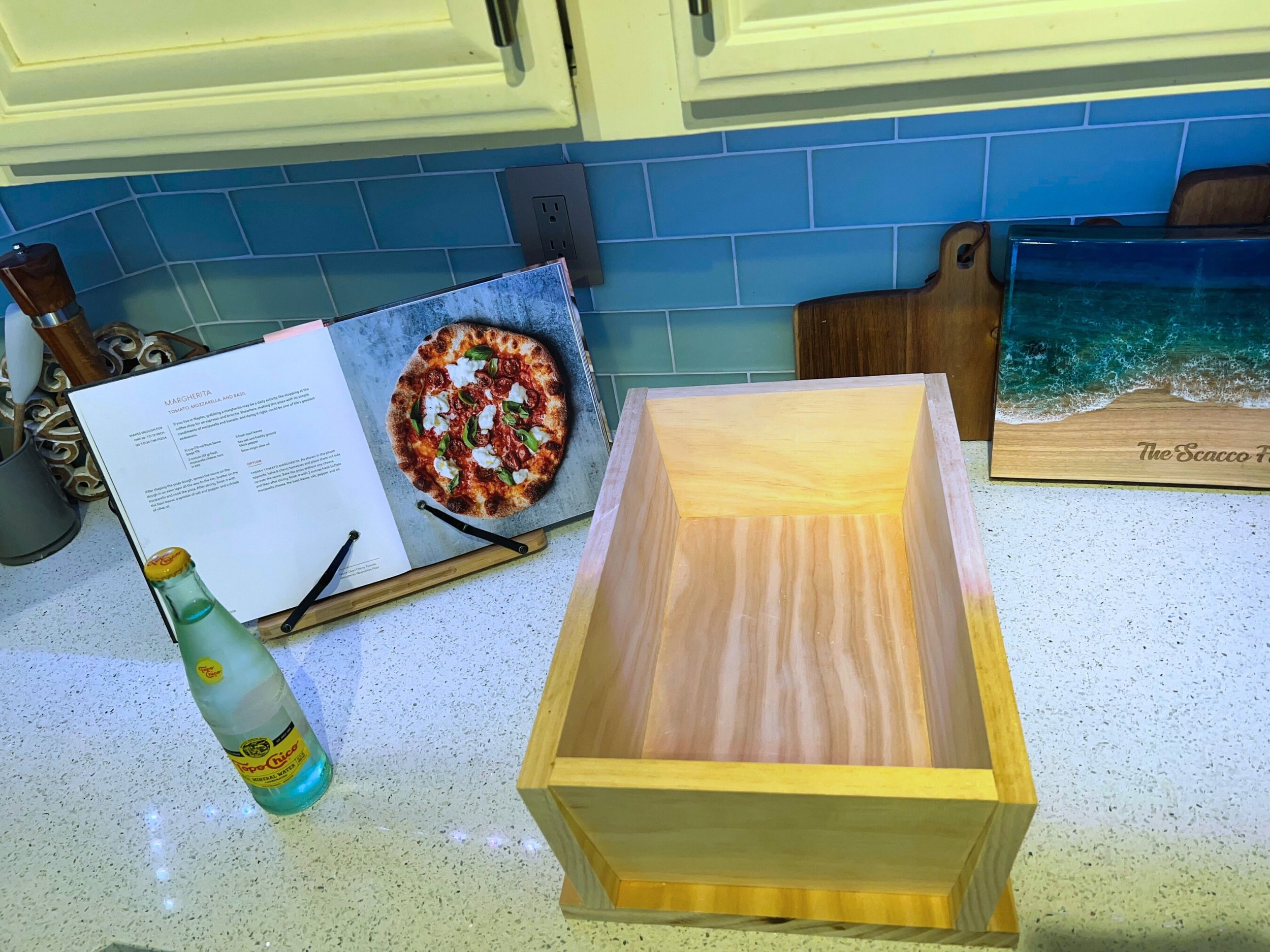
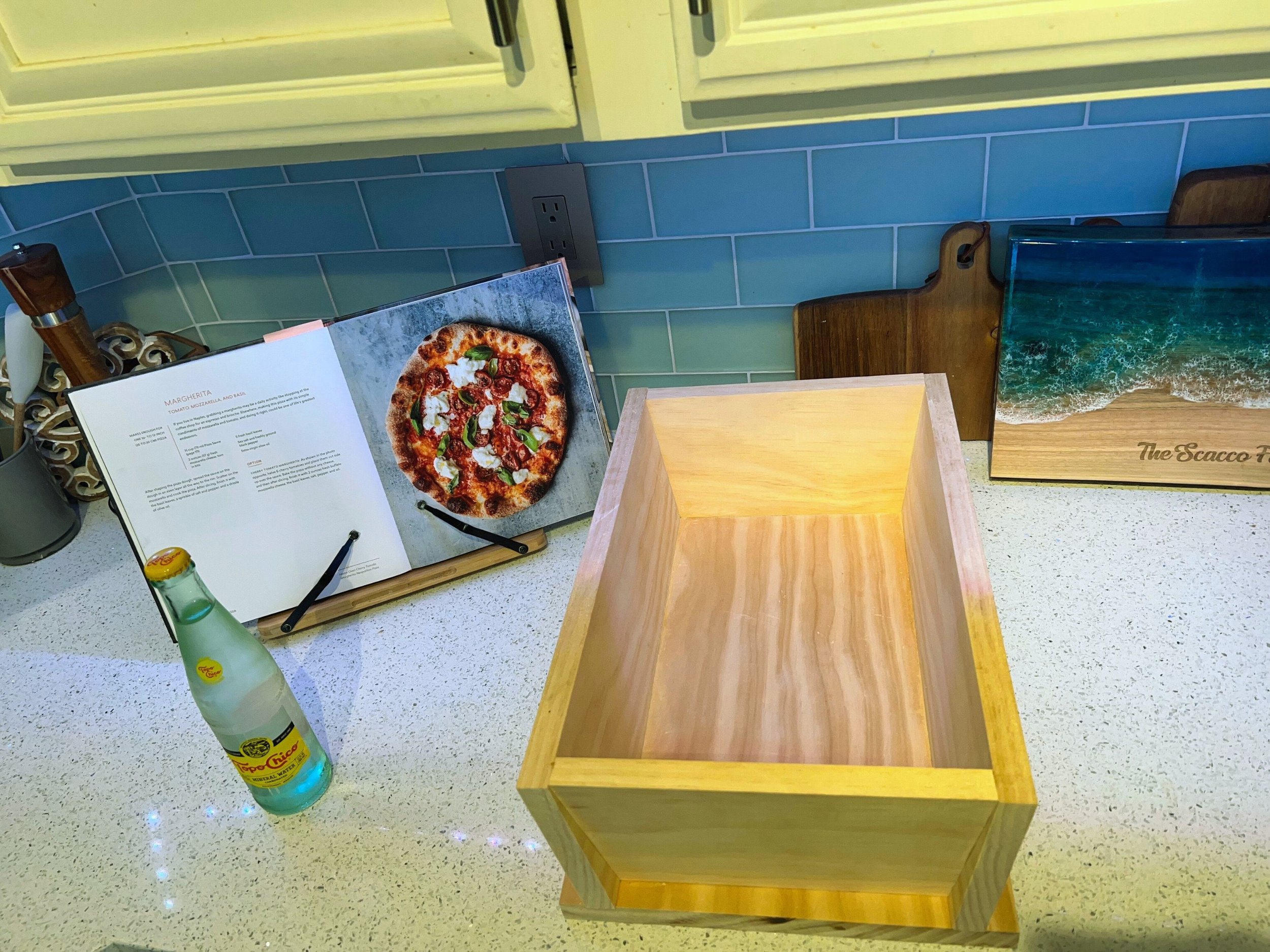
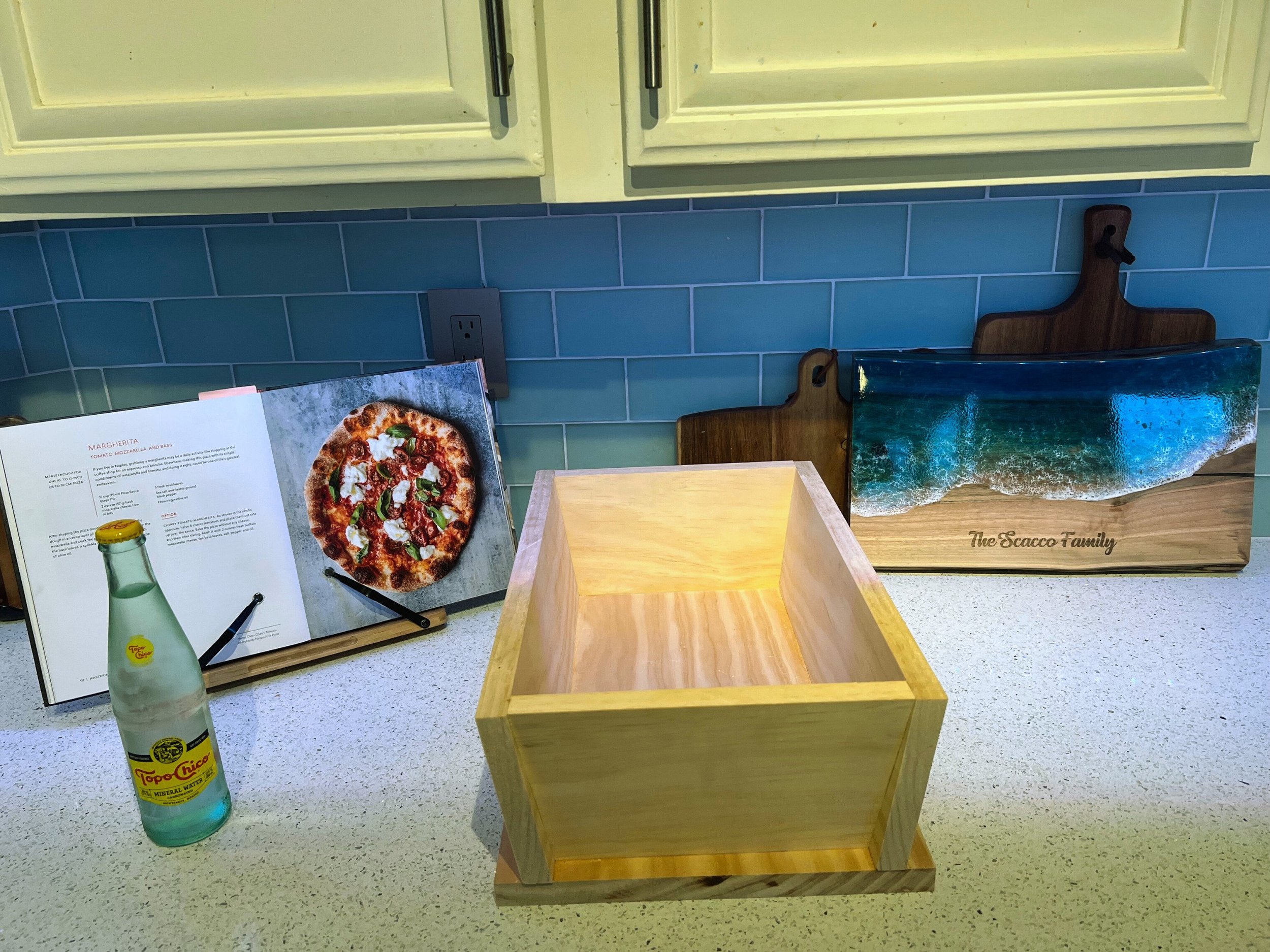
Serious home pizza makers switch from plastic to wood for one reason: the wood pulls moisture off the dough as it proofs, so you get a drier skin and a crispier crust in the center. This proofing box is built the traditional Neapolitan way — corners are finished with traditional spinatura doweling — sized to proof a full night's worth of dough balls, then double as the surface you shape them on.
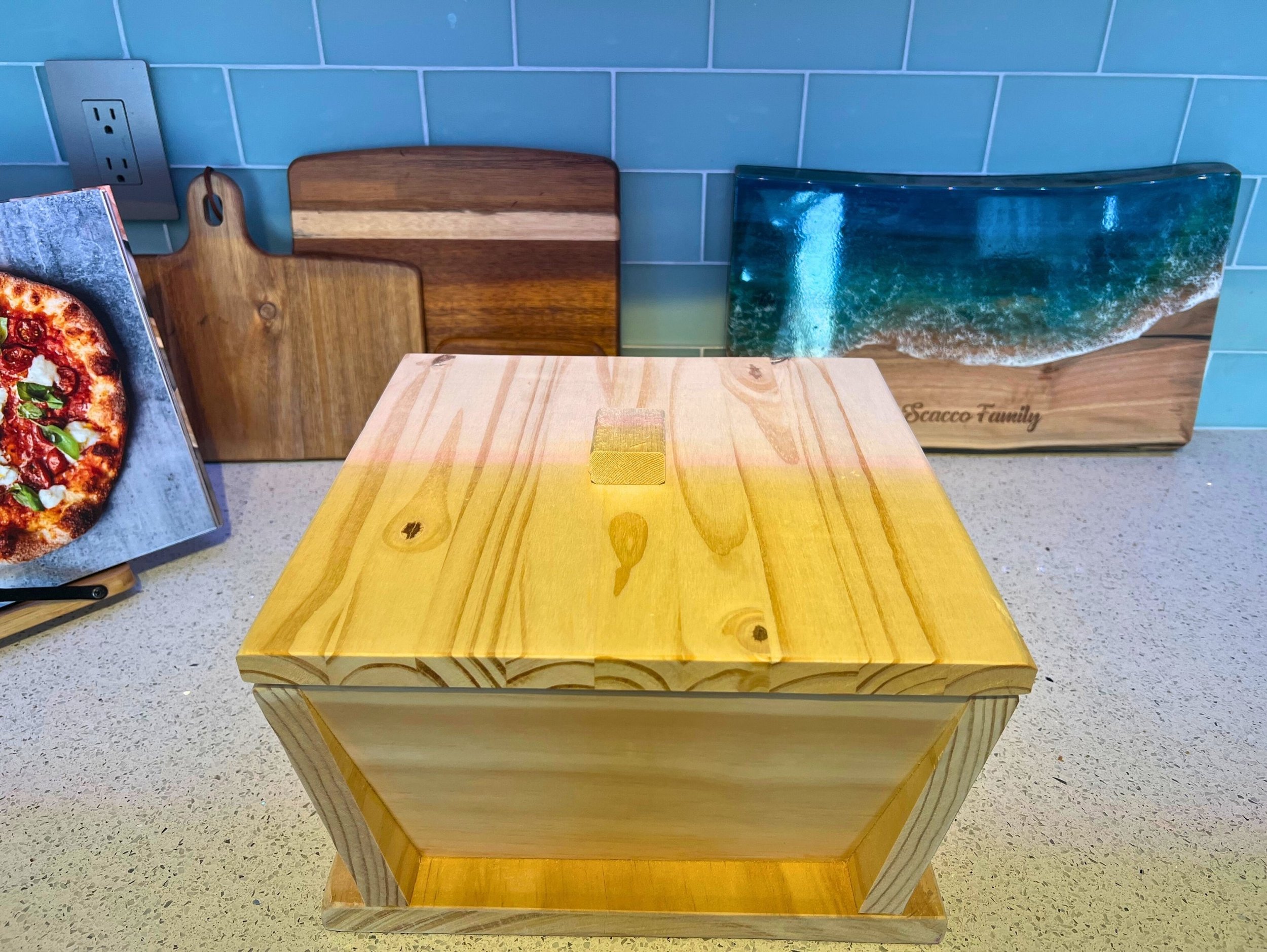
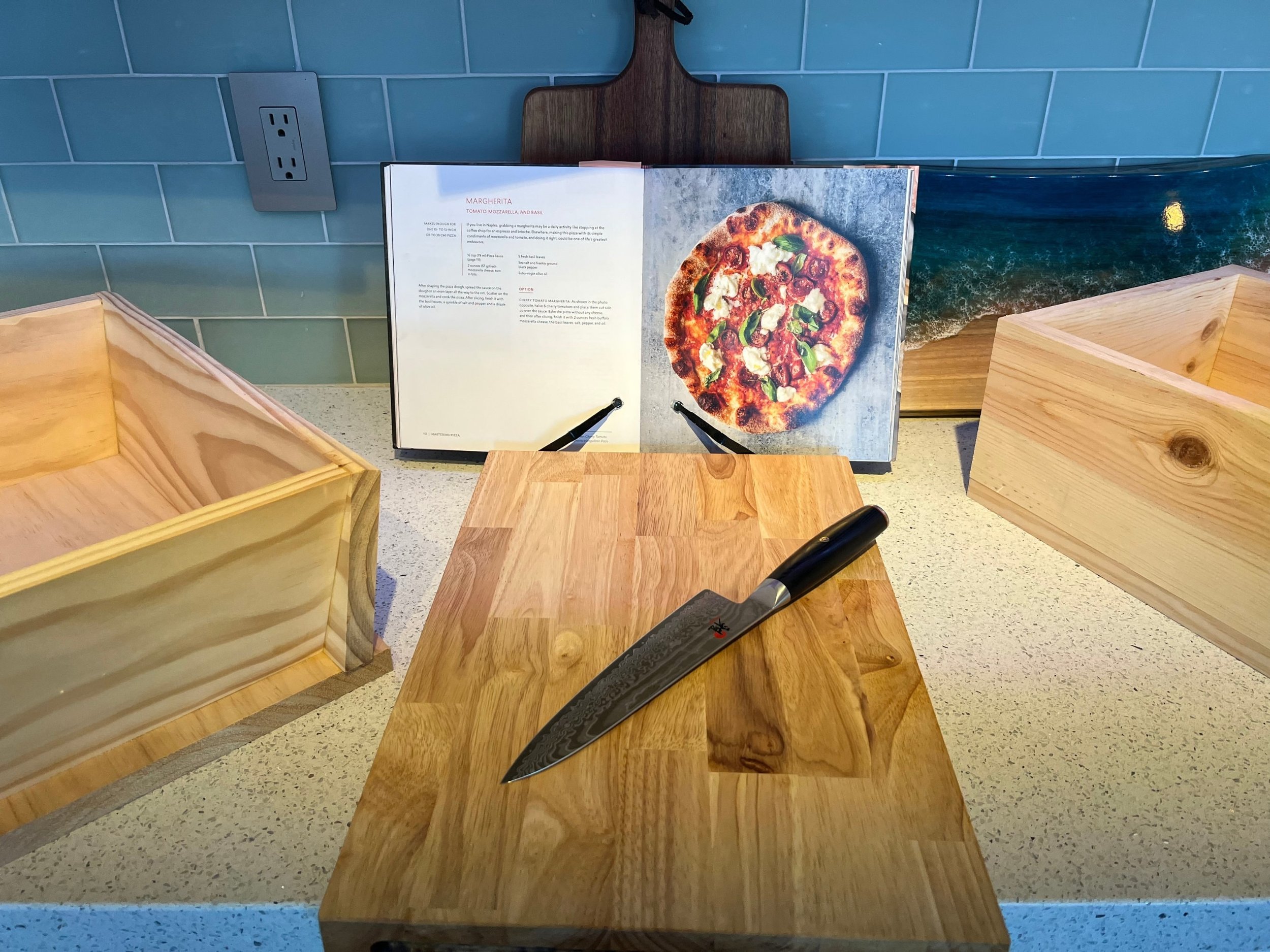
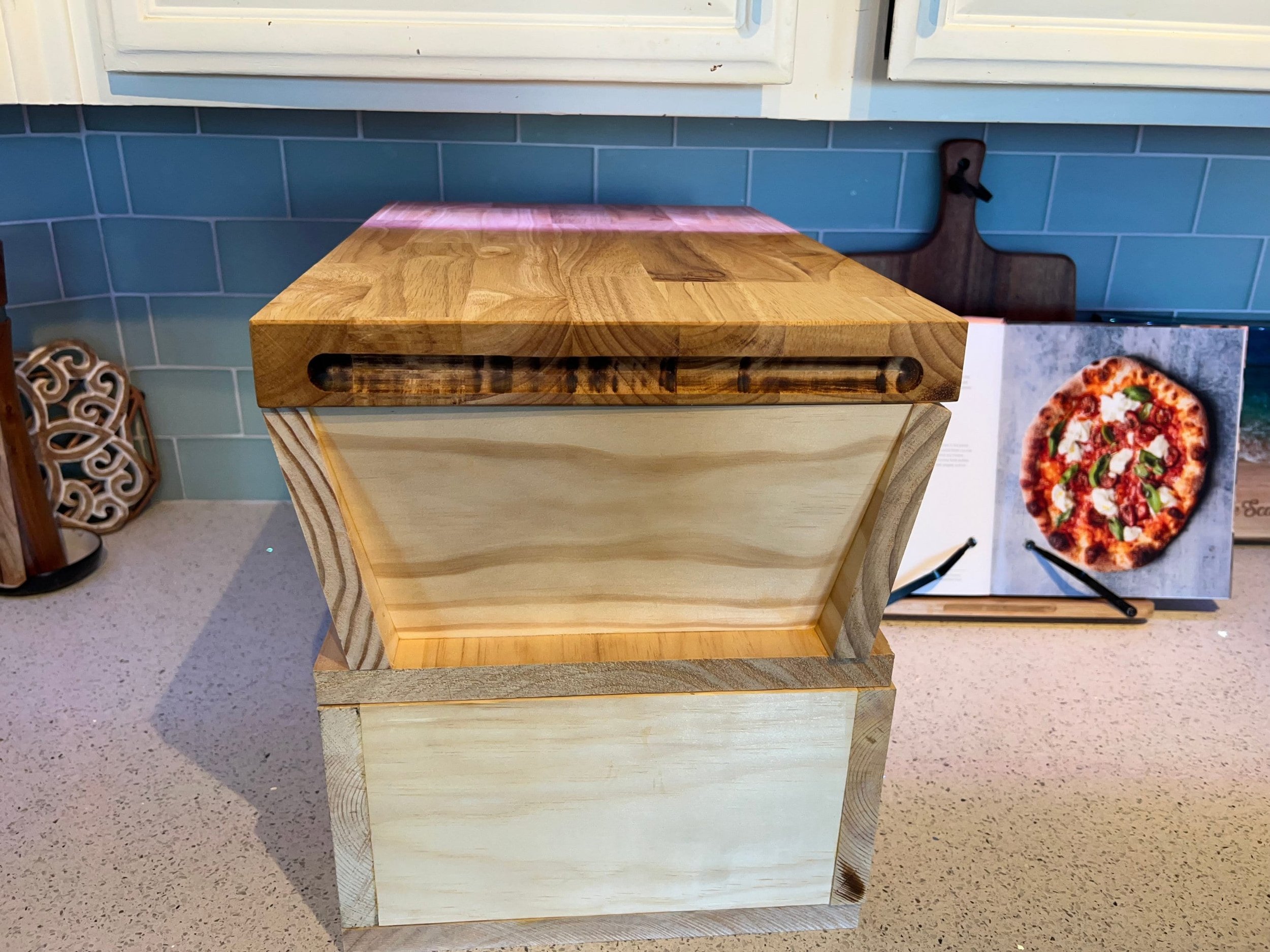
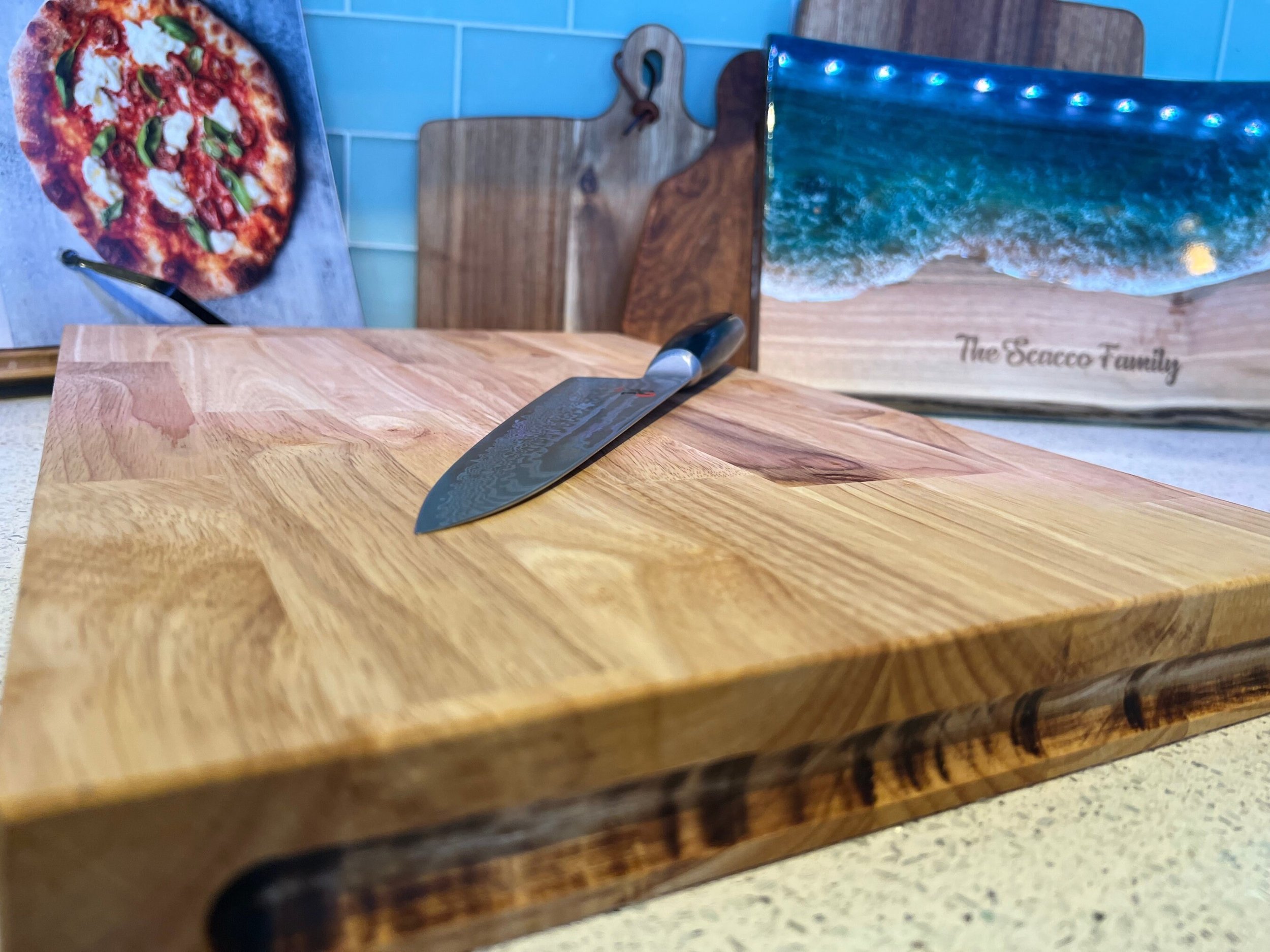
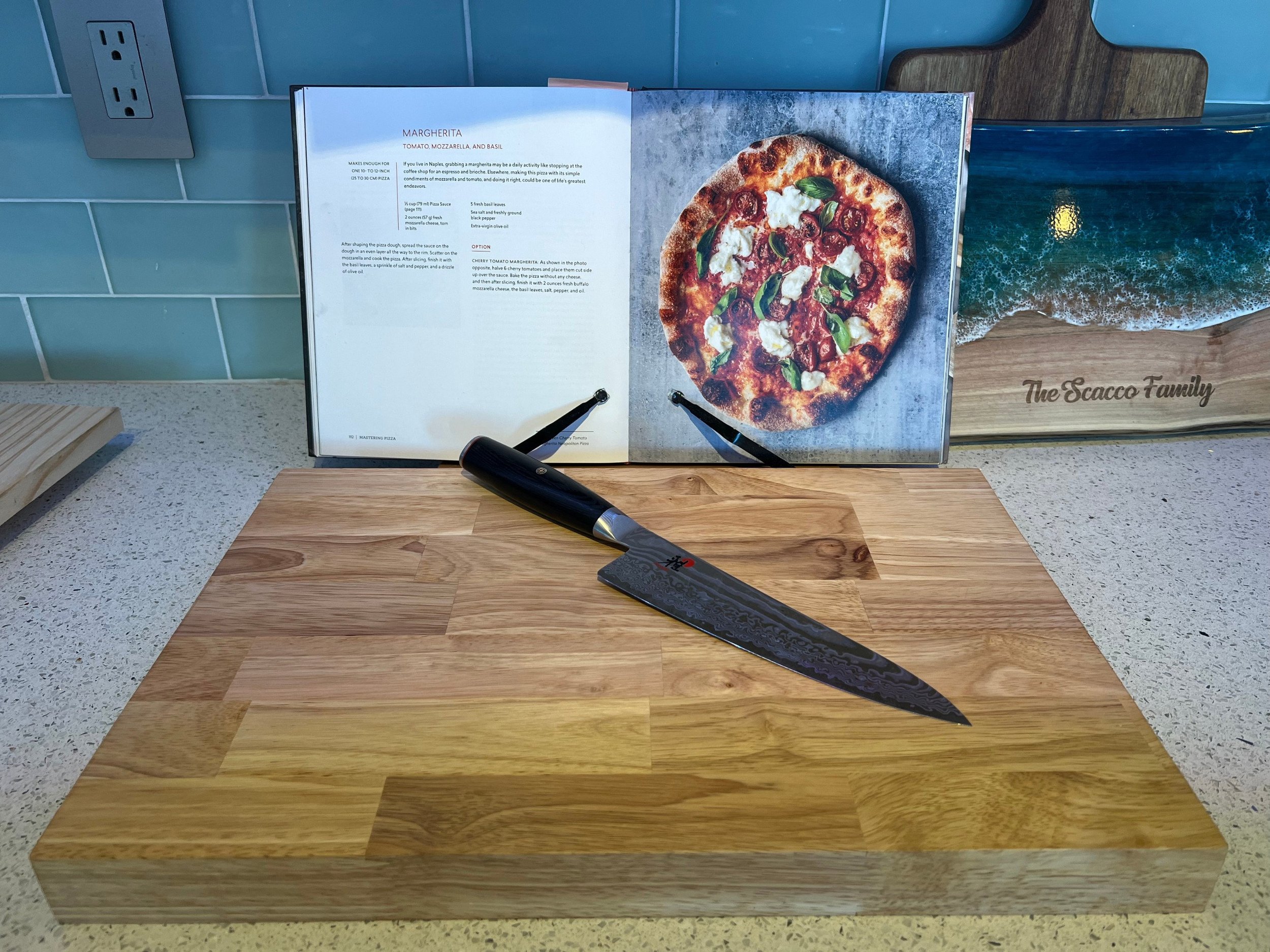
It's the everyday workhorse of the pizza setup: proof in the box, flip the prep lid, and stretch your dough and prep ingredients right on top.
What customers say:
"I have made Neapolitan pizza for several years but wanted wood proofing boxes to absorb more of the moisture from the dough and give me a little crispier crust in the center." — Chris
“The craftsmanship far exceeds our expectations! The boxes came wrapped in beautiful paper. Highly recommend." — Jeanne
"As a first-time wooden proofing box user, Nick gave me useful tips on keeping the dough balls from drying out." — Frank
Details:
Dimensions: 17.5 × 11.25 × 6.5 in
Holds 6 dough balls of 250g each — a full home pizza night
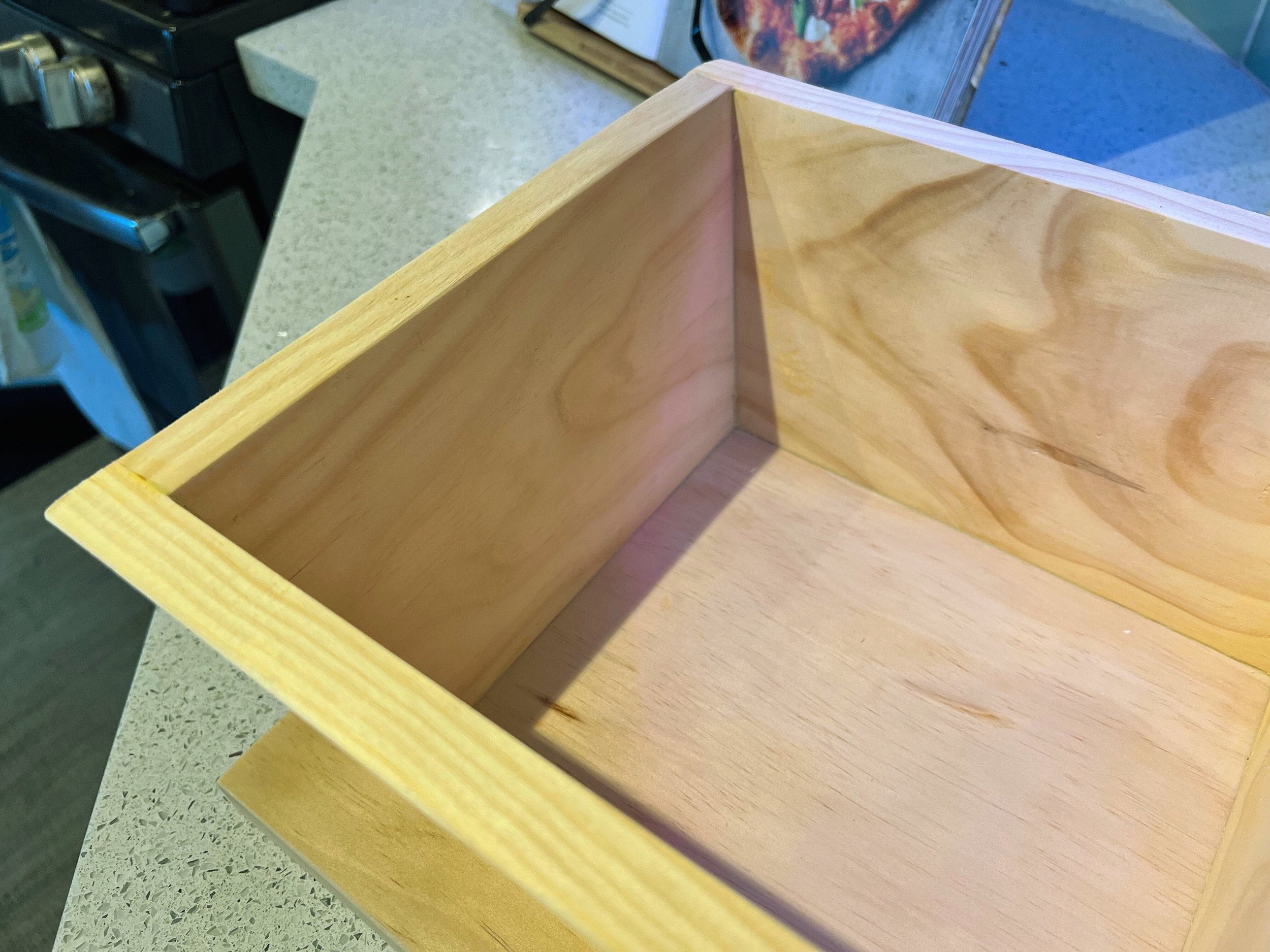
Wood: sustainably harvested heartwood pine from New Zealand, finished with food grade mineral oil
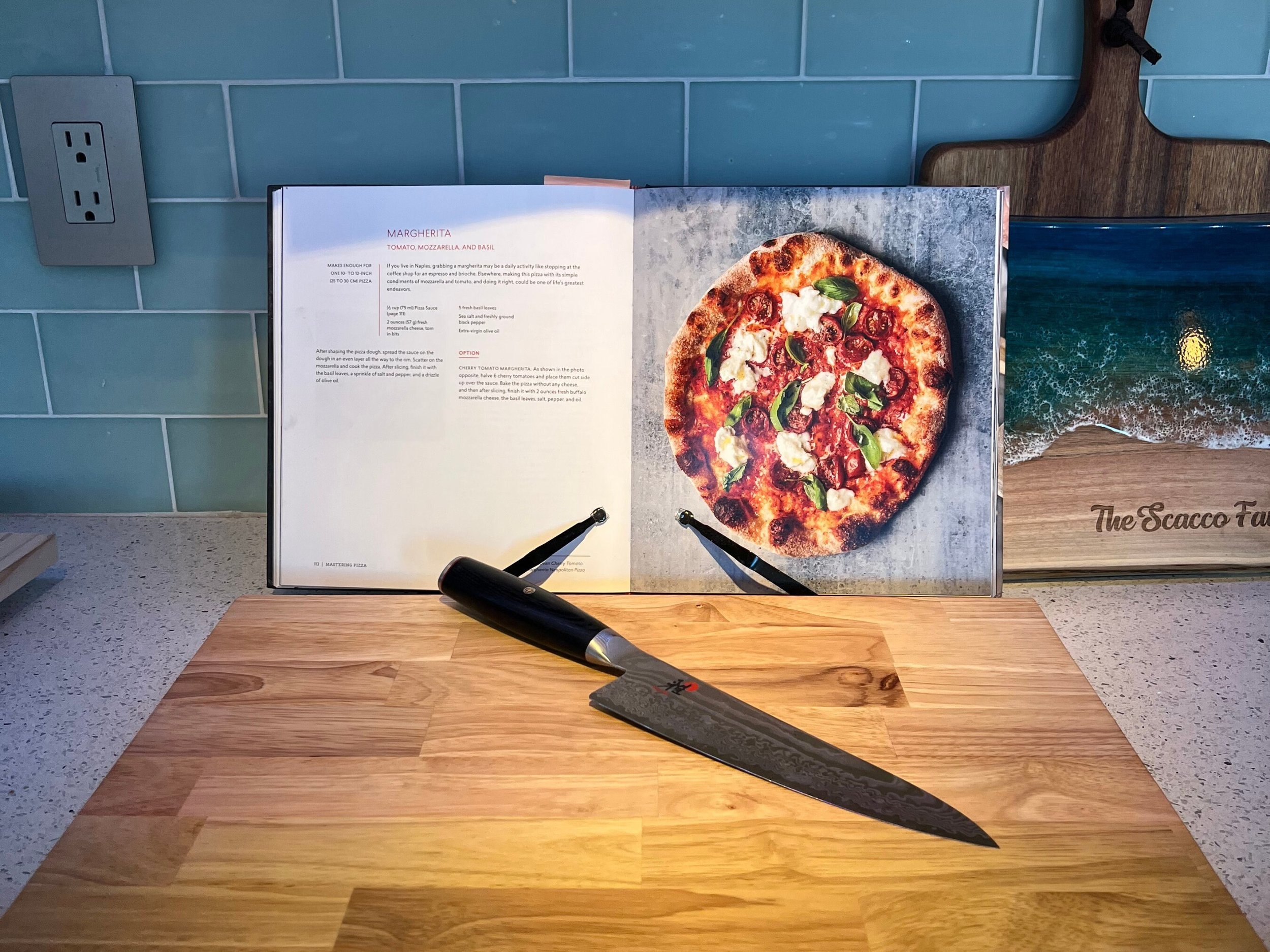
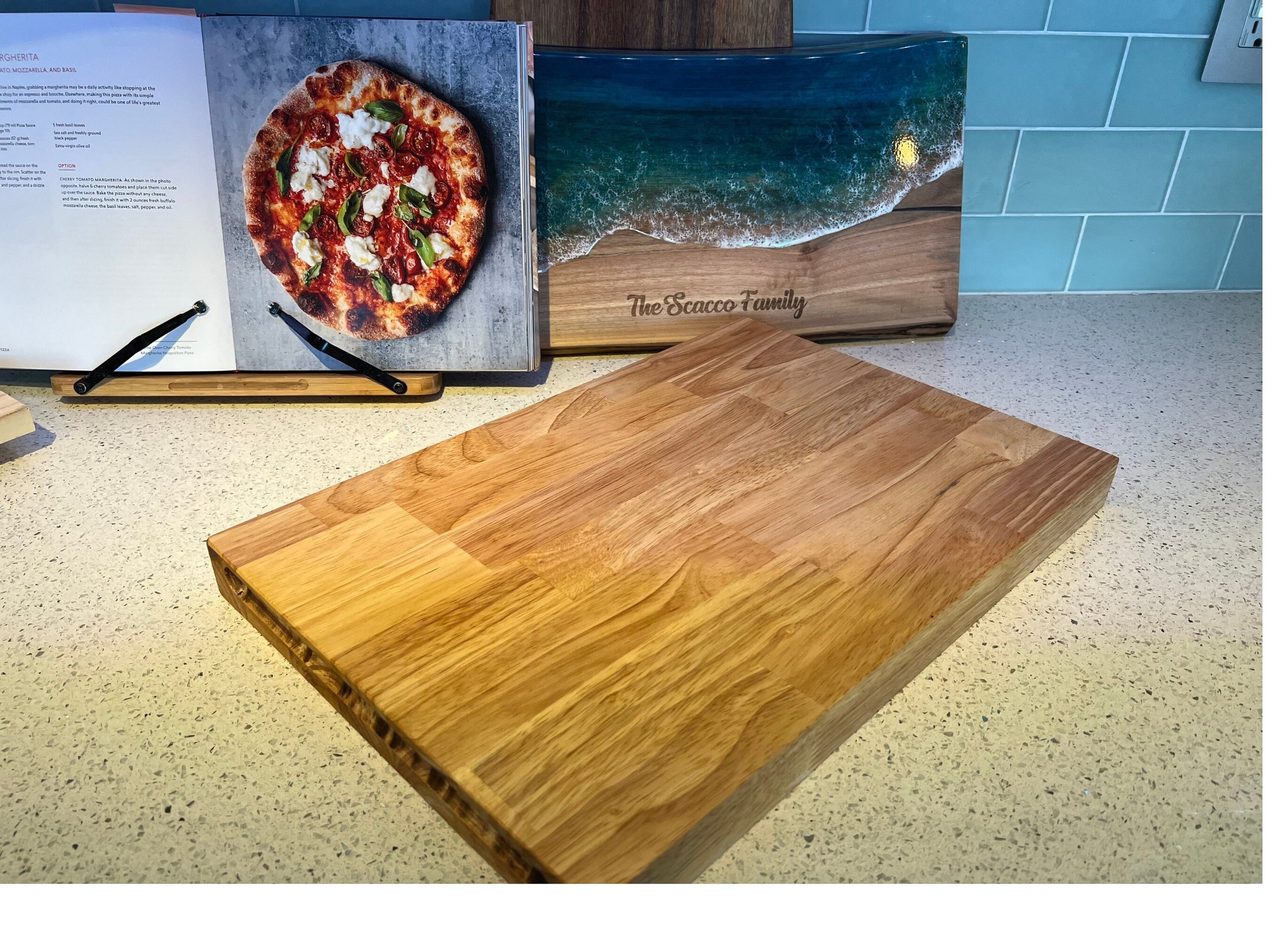
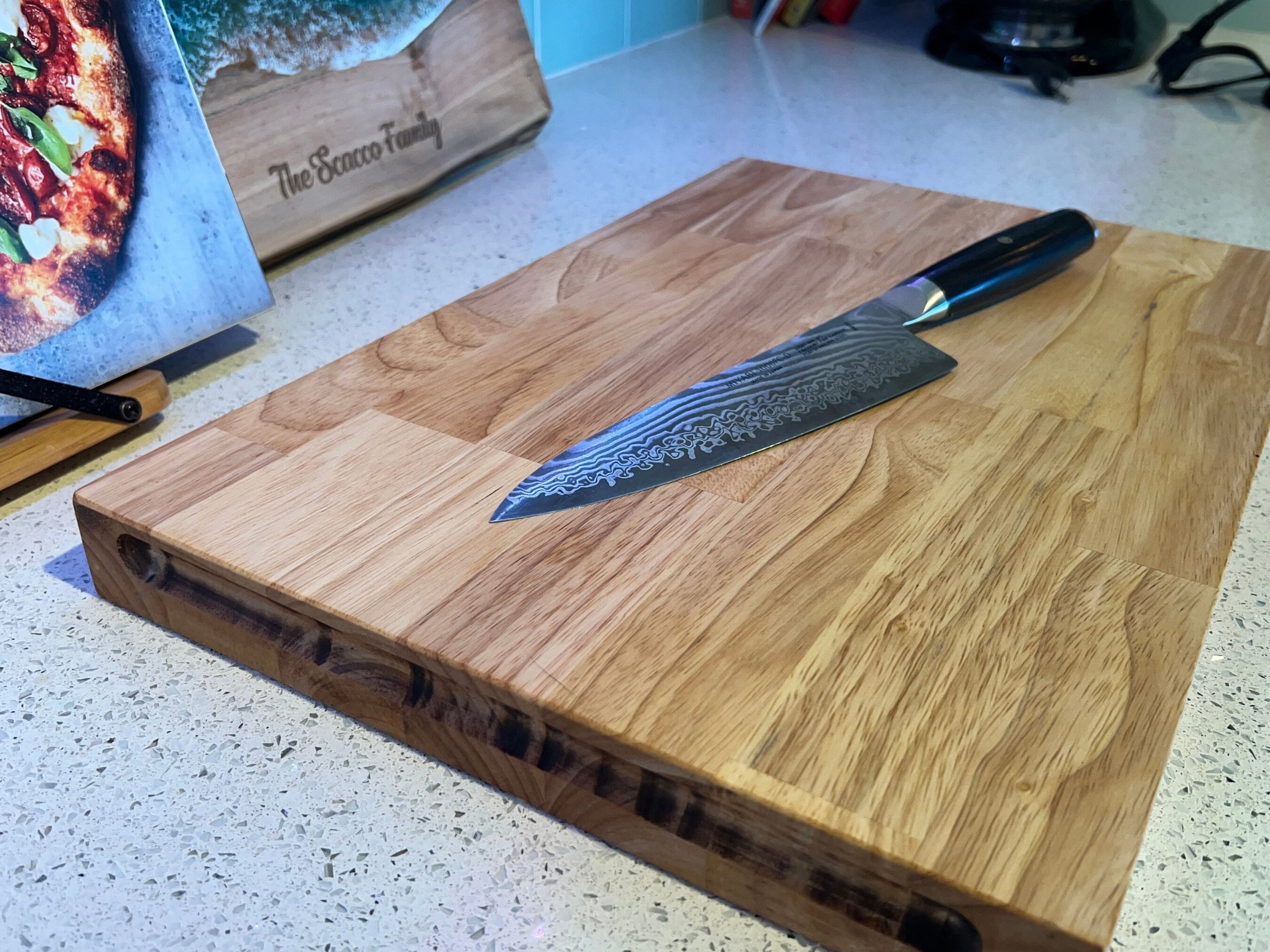
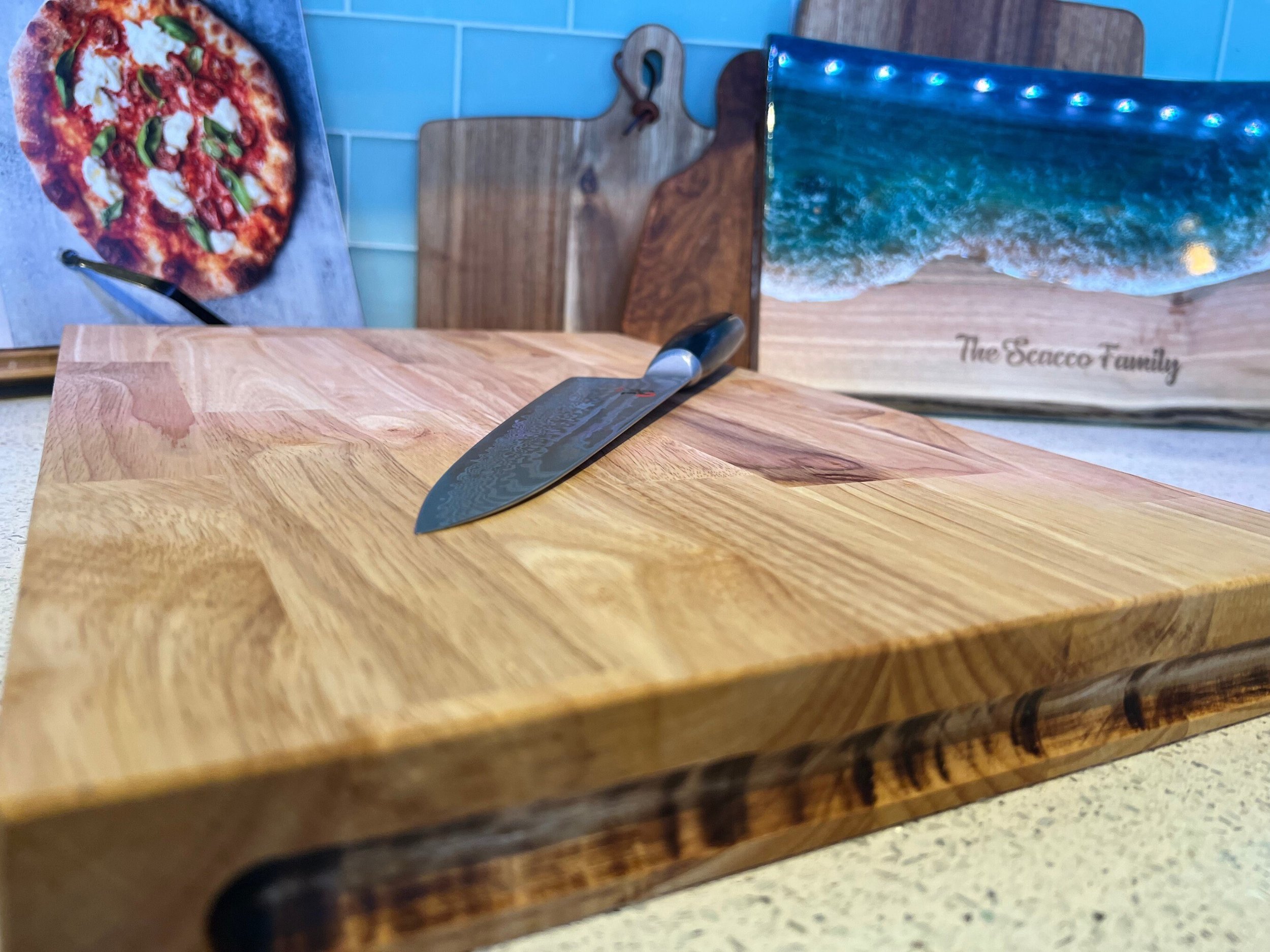
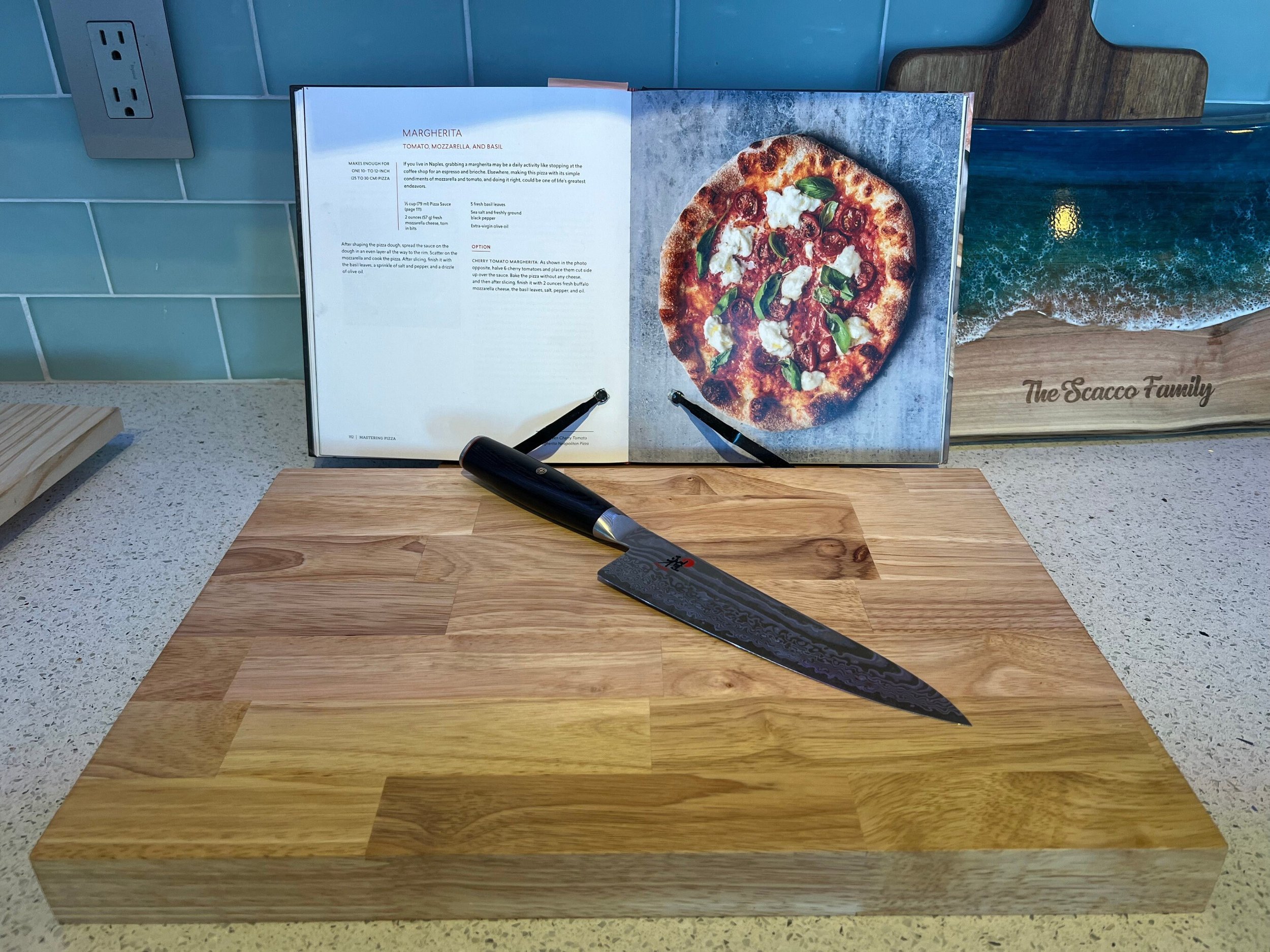
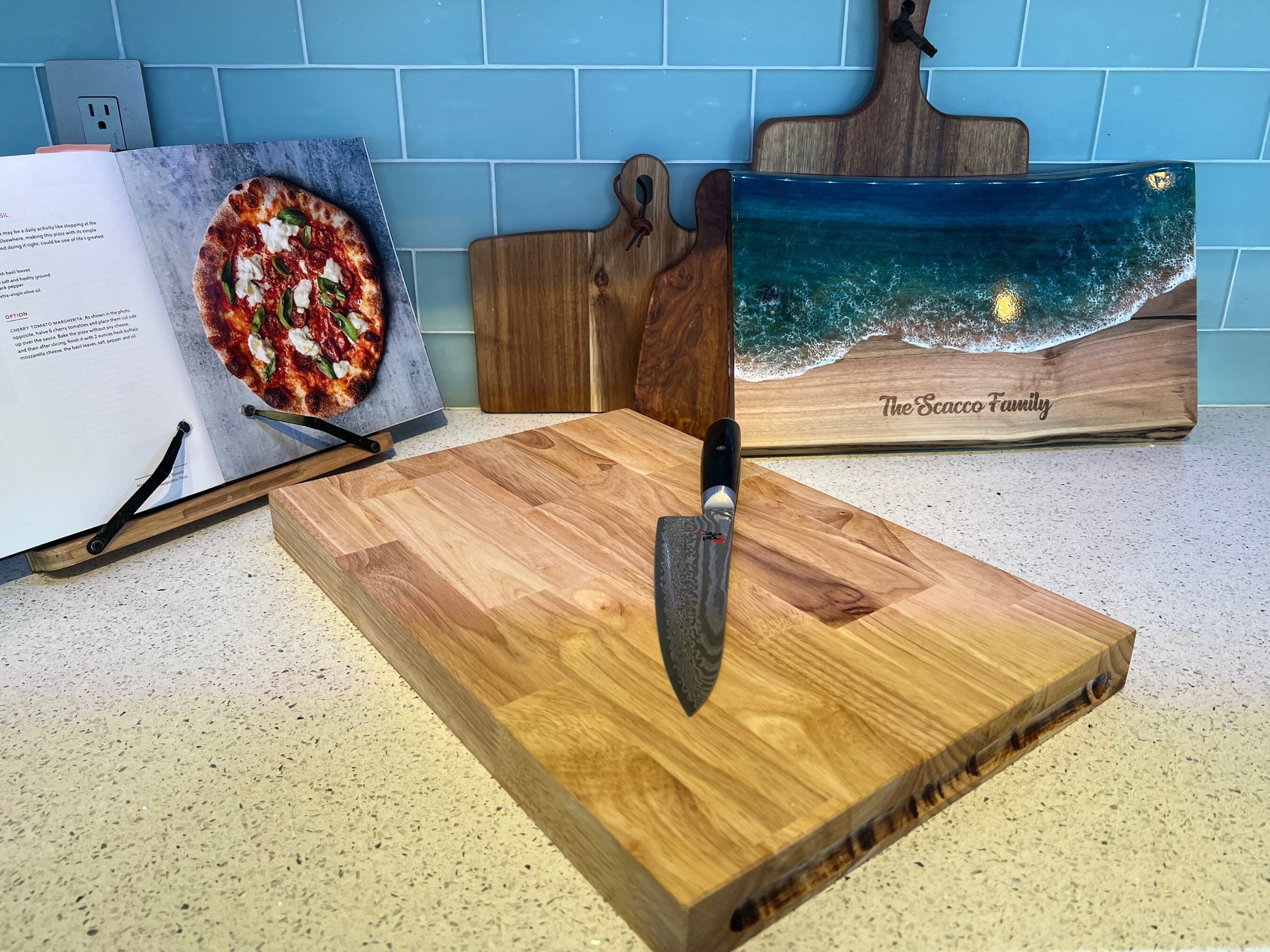
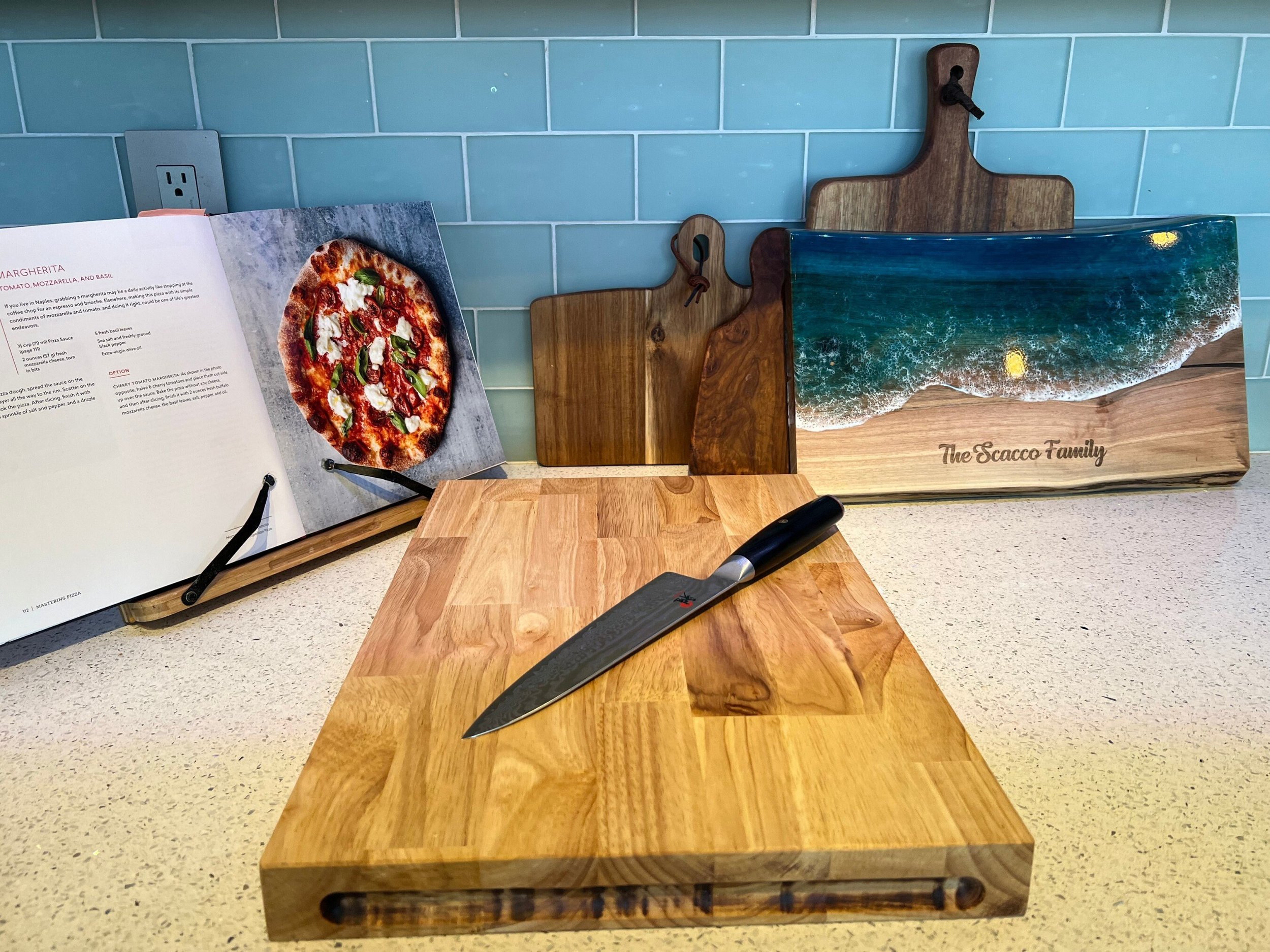
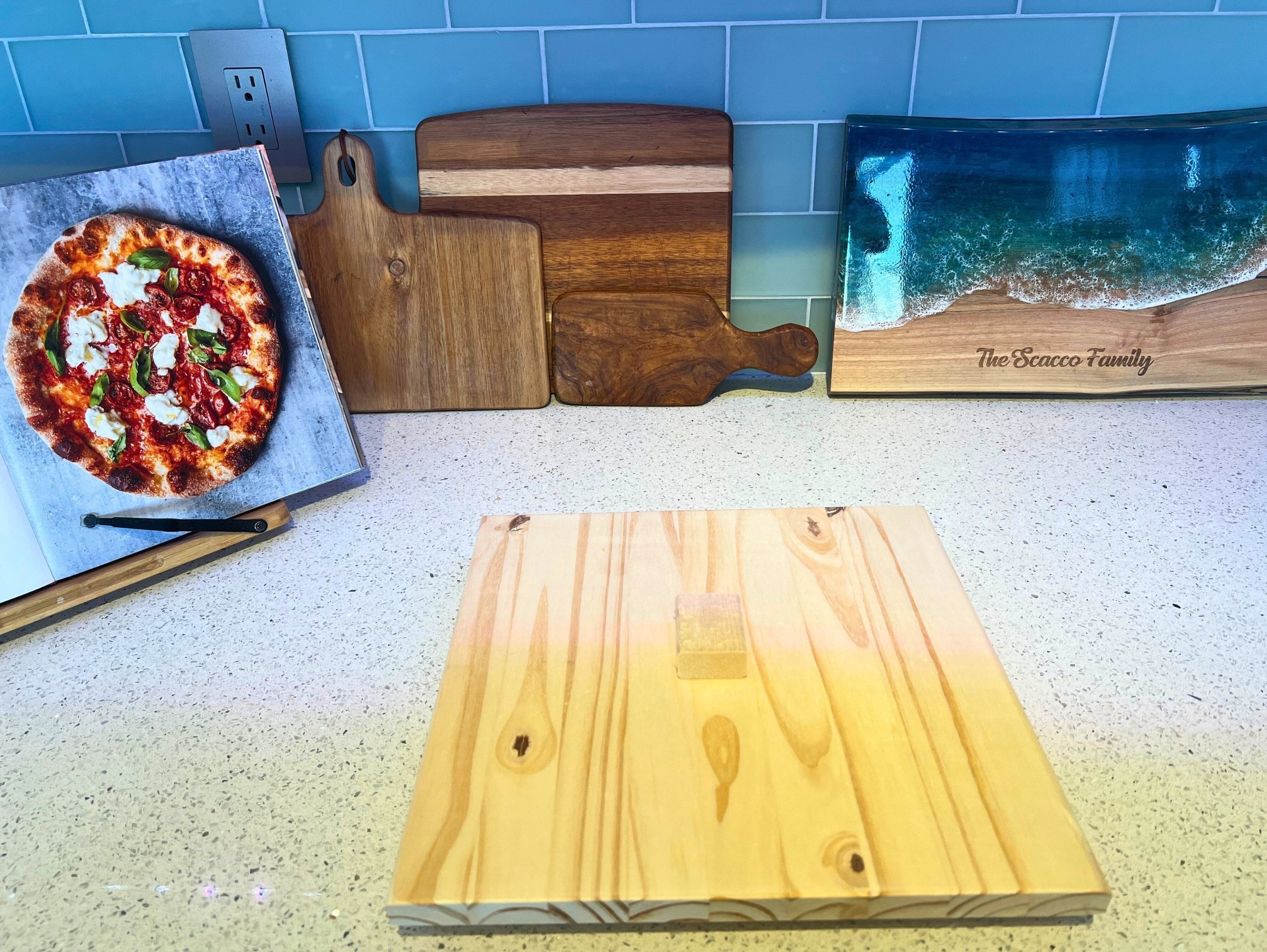
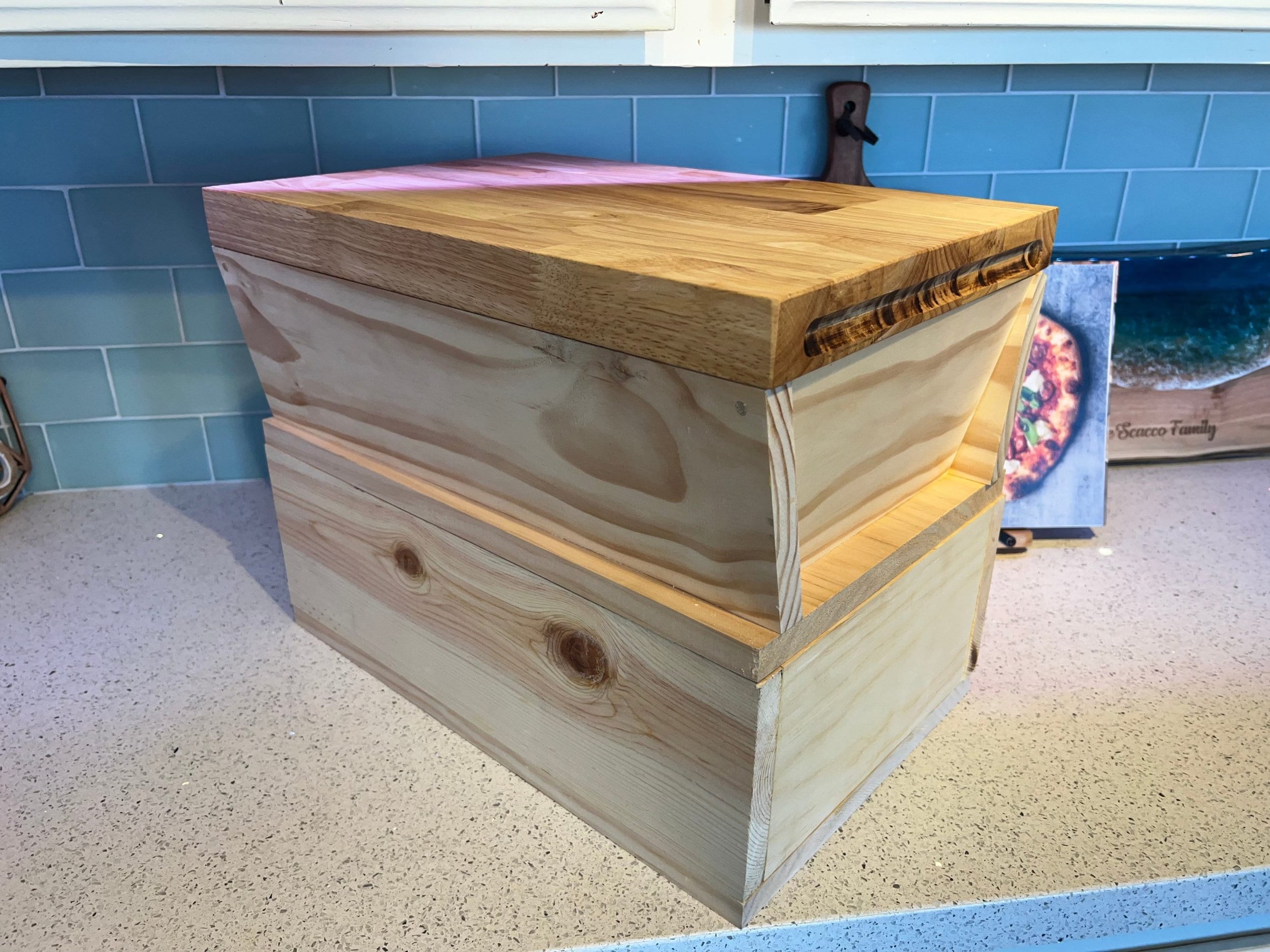
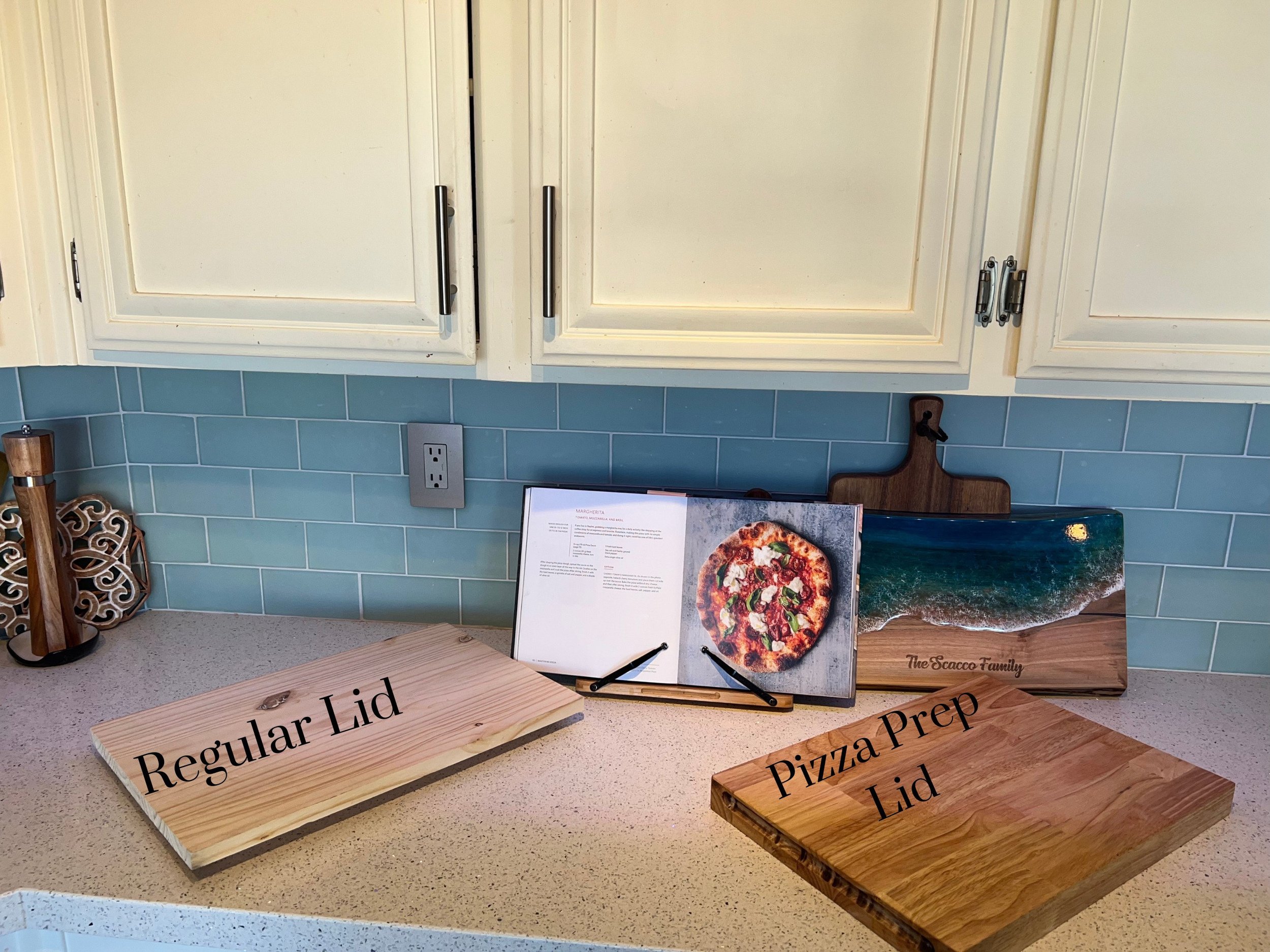
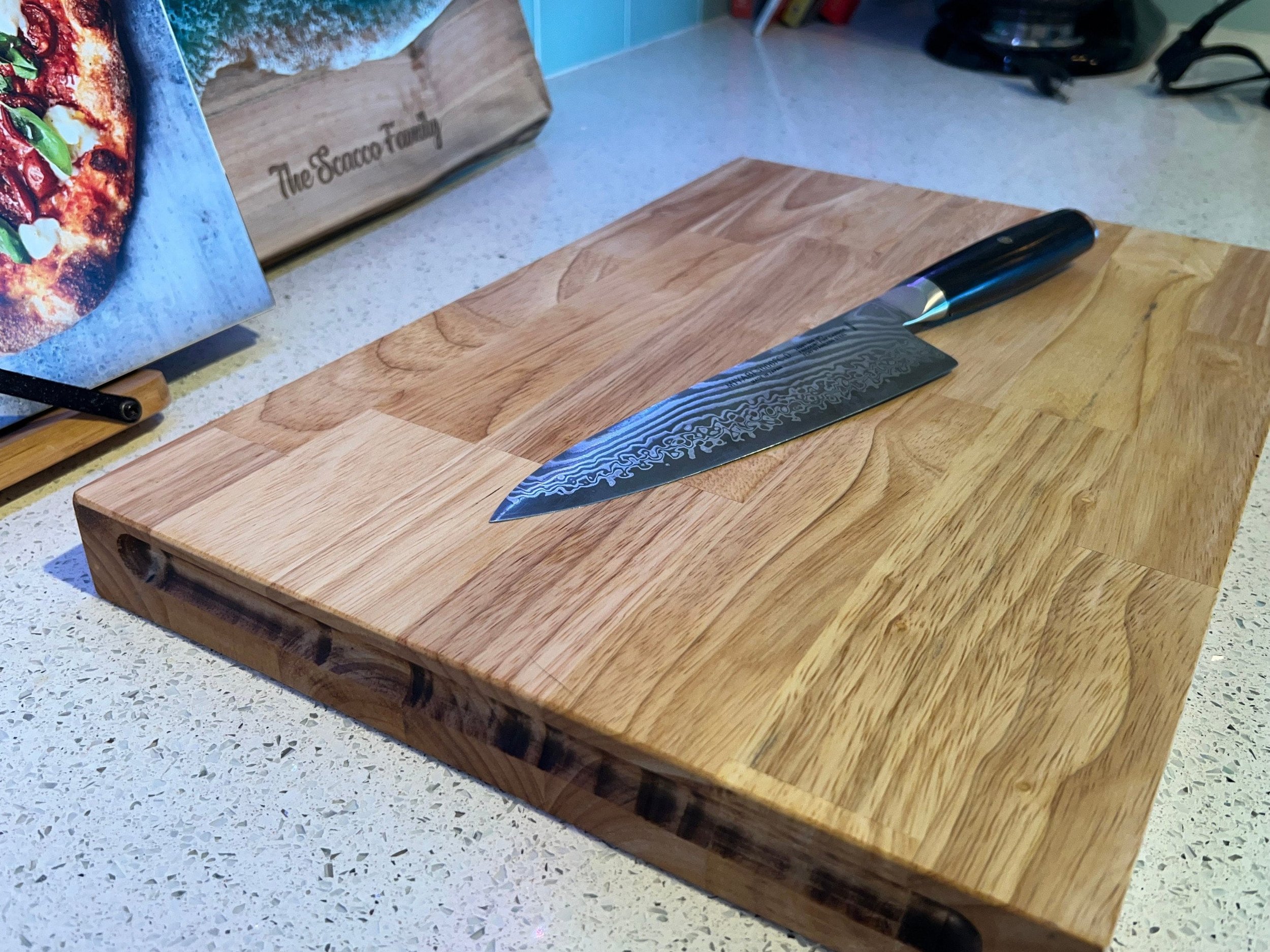
Lid options: standard wooden lid, or upgrade to a functional hevea butcher-block prep lid that doubles as a cutting and shaping surface
Weight: 3lbs
Made to order in Vista, CA; ships in 3 days, carefully packed
Which lid should I choose? The standard lid keeps your dough covered and humid while it proofs. The hevea butcher-block prep lid does that and gives you a second work surface — flip it over and shape your dough right on it, or use it as a cutting board. Most pizza makers who cook weekly go for the prep lid. Not sure? Ask me — I'll help you pick.
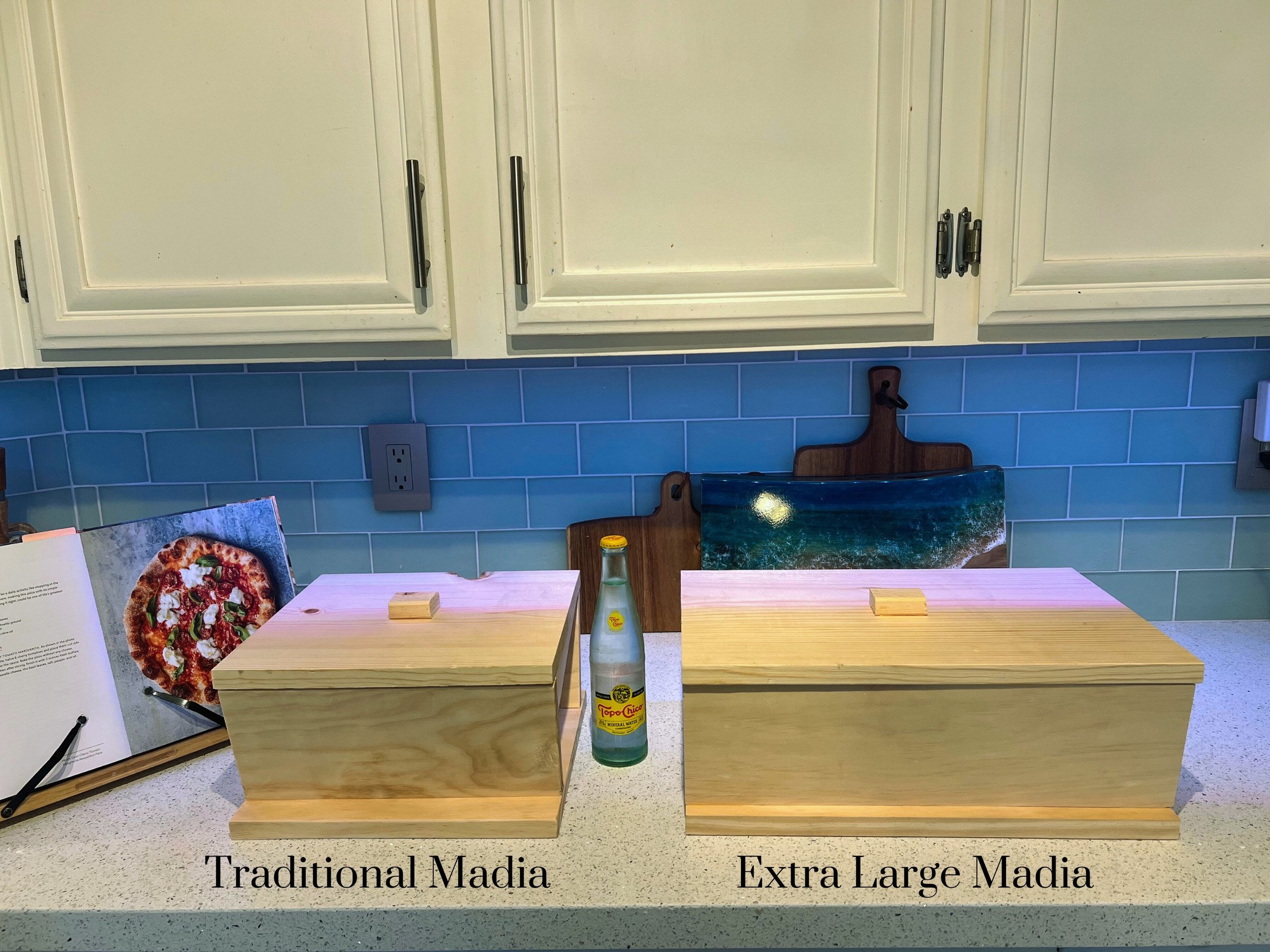
Proofing box vs. madia — which do I need? The madia is the larger, traditional mixing-and-bulk-fermenting chest. This proofing box is the slimmer box sized for proofing your portioned dough balls after the bulk rise. Many customers use both: mix and bulk-ferment in the madia, then proof the balls in the box. If you're buying one to start and you make pizza more than bread, most people start with the proofing box.
The story: Every piece starts in my Vista workshop. Scacco is my last name, and in Italian it lives in just one phrase — scacco matto, checkmate. Every joint and finish is meant to feel like a good endgame: precise, deliberate, nothing left to chance. I build each box myself, the way they were made in Naples, because wood does something for dough that plastic never will. — Nick Scacco. As featured in SD Voyager and Bold Journey.
Materials & care: Sustainably harvested heart wood pine from New Zealand. Care: scrape off excess flour and dough with a spatula, wash with warm water (do not submerge or soak), and let air dry. Treat with food-grade mineral oil every 3 months. International buyers: customs or import fees, where applicable, are the buyer's responsibility.
Custom sizes & trade orders: I regularly build custom dimensions and take bulk orders for restaurants, cooking schools, and designers. Start a custom inquiry →
FAQ:
Why use a wooden proofing box instead of plastic? Wood absorbs a small amount of moisture from the dough surface as it proofs, giving you a drier skin that crisps better in the oven. It also breathes, holding a steadier humidity than sealed plastic. It's why many Neapolitan pizzaioli prefer wood.
How many dough balls does it hold? Six standard dough balls — a full pizza night for most homes.
How do I keep the dough from drying out? Keep the lid on while proofing, and if your kitchen is very dry, a light dusting of flour and a snug lid is enough. Happy to share more tips — just message me.
What's the difference between the standard lid and the prep lid? The prep lid is an upgrade: instead of a plain wooden cover, you get a functional hevea butcher-block board that doubles as a cutting and dough-shaping surface.
How should I clean it? Scrape, wipe with warm water, air dry. Don't soak or dishwasher it.
Do you make custom sizes? Yes — it's one of my favorite parts of the work. Start a custom inquiry
Pairs well with: Madia · Ultimate Pizza Making Bundle · Hevea Butcher Block Prep Surface
Learn more:The Timeless Tradition of the Madia
★ 4.9 from 160+ collectors and home pizza makersFree US shipping · Made to order in 3 business days · 30-day returns, buyer ships back
Serious home pizza makers switch from plastic to wood for one reason: the wood pulls moisture off the dough as it proofs, so you get a drier skin and a crispier crust in the center. This proofing box is built the traditional Neapolitan way — corners are finished with traditional spinatura doweling — sized to proof a full night's worth of dough balls, then double as the surface you shape them on.
It's the everyday workhorse of the pizza setup: proof in the box, flip the prep lid, and stretch your dough and prep ingredients right on top.
What customers say:
"I have made Neapolitan pizza for several years but wanted wood proofing boxes to absorb more of the moisture from the dough and give me a little crispier crust in the center." — Chris
“The craftsmanship far exceeds our expectations! The boxes came wrapped in beautiful paper. Highly recommend." — Jeanne
"As a first-time wooden proofing box user, Nick gave me useful tips on keeping the dough balls from drying out." — Frank
Details:
Dimensions: 17.5 × 11.25 × 6.5 in
Holds 6 dough balls of 250g each — a full home pizza night
Wood: sustainably harvested heartwood pine from New Zealand, finished with food grade mineral oil
Lid options: standard wooden lid, or upgrade to a functional hevea butcher-block prep lid that doubles as a cutting and shaping surface
Weight: 3lbs
Made to order in Vista, CA; ships in 3 days, carefully packed
Which lid should I choose? The standard lid keeps your dough covered and humid while it proofs. The hevea butcher-block prep lid does that and gives you a second work surface — flip it over and shape your dough right on it, or use it as a cutting board. Most pizza makers who cook weekly go for the prep lid. Not sure? Ask me — I'll help you pick.
Proofing box vs. madia — which do I need? The madia is the larger, traditional mixing-and-bulk-fermenting chest. This proofing box is the slimmer box sized for proofing your portioned dough balls after the bulk rise. Many customers use both: mix and bulk-ferment in the madia, then proof the balls in the box. If you're buying one to start and you make pizza more than bread, most people start with the proofing box.
The story: Every piece starts in my Vista workshop. Scacco is my last name, and in Italian it lives in just one phrase — scacco matto, checkmate. Every joint and finish is meant to feel like a good endgame: precise, deliberate, nothing left to chance. I build each box myself, the way they were made in Naples, because wood does something for dough that plastic never will. — Nick Scacco. As featured in SD Voyager and Bold Journey.
Materials & care: Sustainably harvested heart wood pine from New Zealand. Care: scrape off excess flour and dough with a spatula, wash with warm water (do not submerge or soak), and let air dry. Treat with food-grade mineral oil every 3 months. International buyers: customs or import fees, where applicable, are the buyer's responsibility.
Custom sizes & trade orders: I regularly build custom dimensions and take bulk orders for restaurants, cooking schools, and designers. Start a custom inquiry →
FAQ:
Why use a wooden proofing box instead of plastic? Wood absorbs a small amount of moisture from the dough surface as it proofs, giving you a drier skin that crisps better in the oven. It also breathes, holding a steadier humidity than sealed plastic. It's why many Neapolitan pizzaioli prefer wood.
How many dough balls does it hold? Six standard dough balls — a full pizza night for most homes.
How do I keep the dough from drying out? Keep the lid on while proofing, and if your kitchen is very dry, a light dusting of flour and a snug lid is enough. Happy to share more tips — just message me.
What's the difference between the standard lid and the prep lid? The prep lid is an upgrade: instead of a plain wooden cover, you get a functional hevea butcher-block board that doubles as a cutting and dough-shaping surface.
How should I clean it? Scrape, wipe with warm water, air dry. Don't soak or dishwasher it.
Do you make custom sizes? Yes — it's one of my favorite parts of the work. Start a custom inquiry
Pairs well with: Madia · Ultimate Pizza Making Bundle · Hevea Butcher Block Prep Surface
Learn more:The Timeless Tradition of the Madia

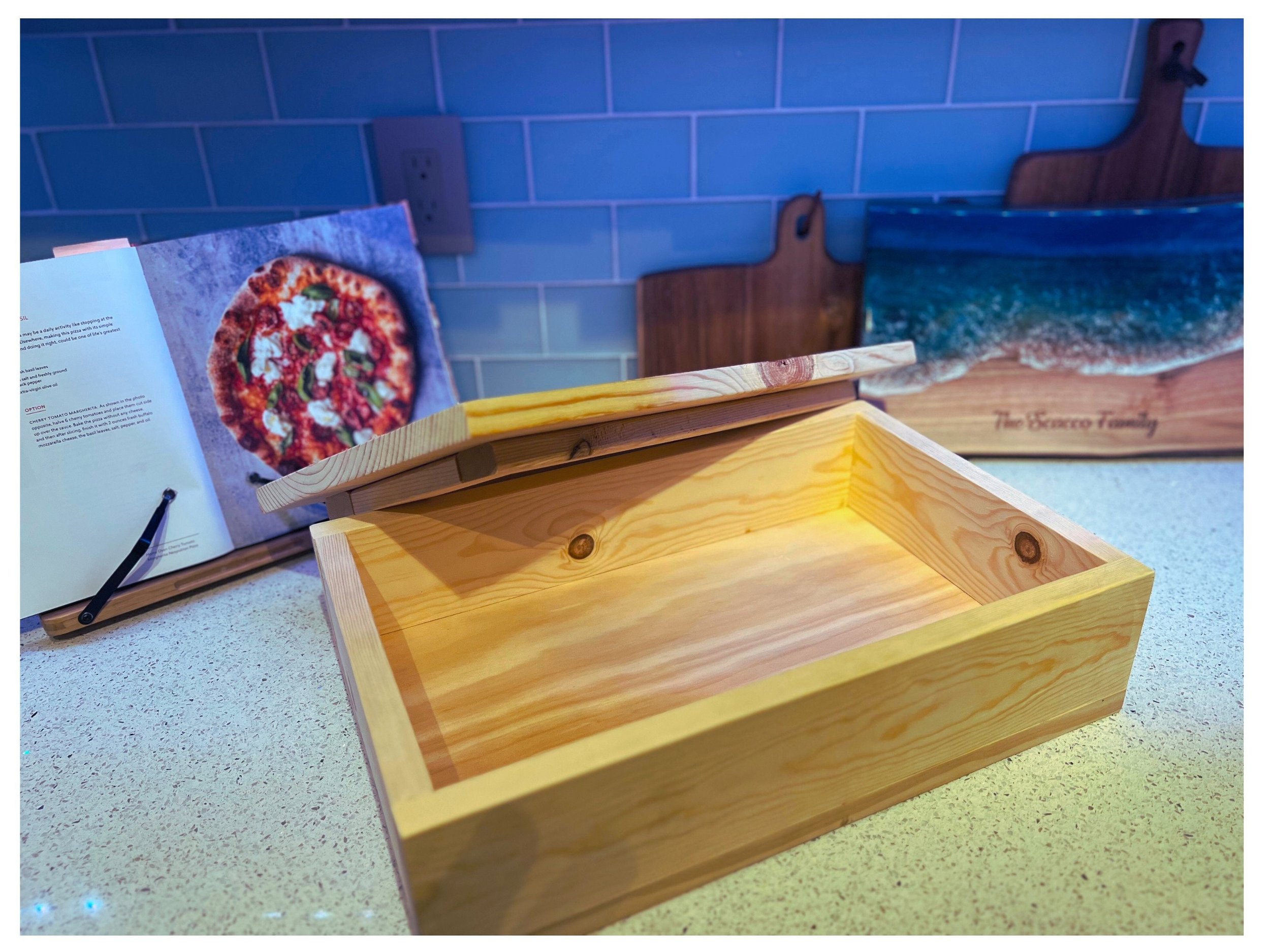 Image 1 of 11
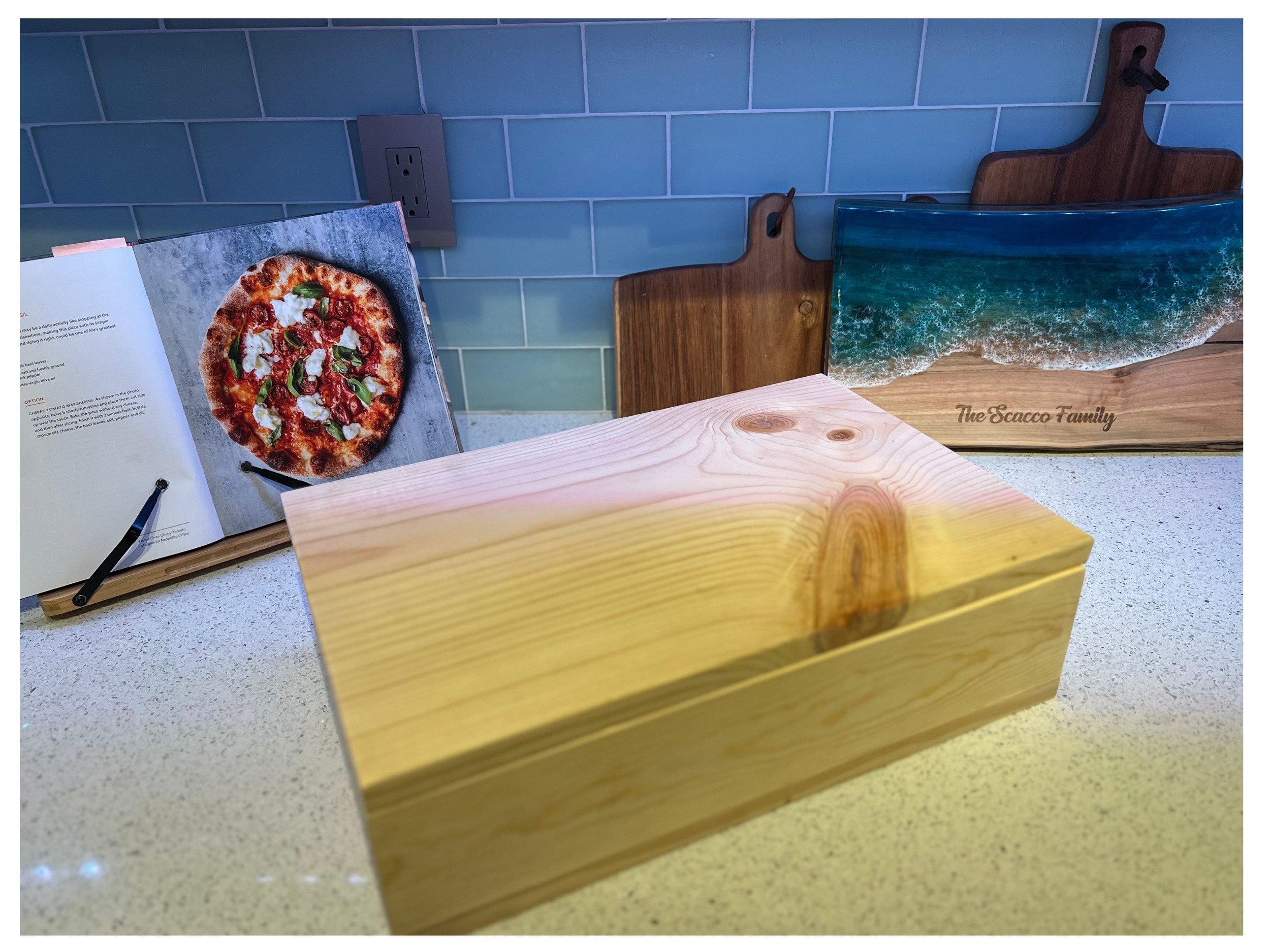 Image 2 of 11
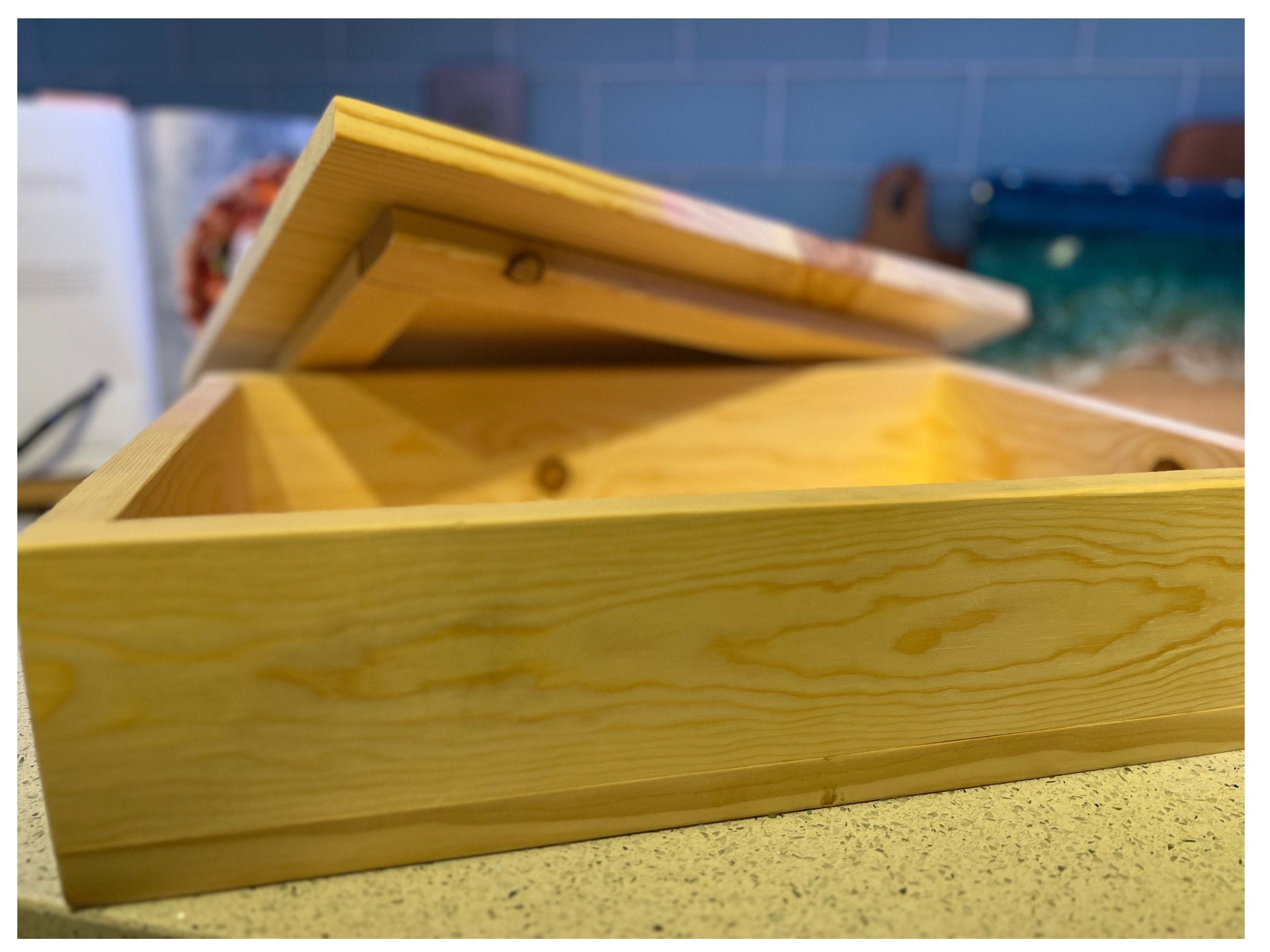 Image 3 of 11
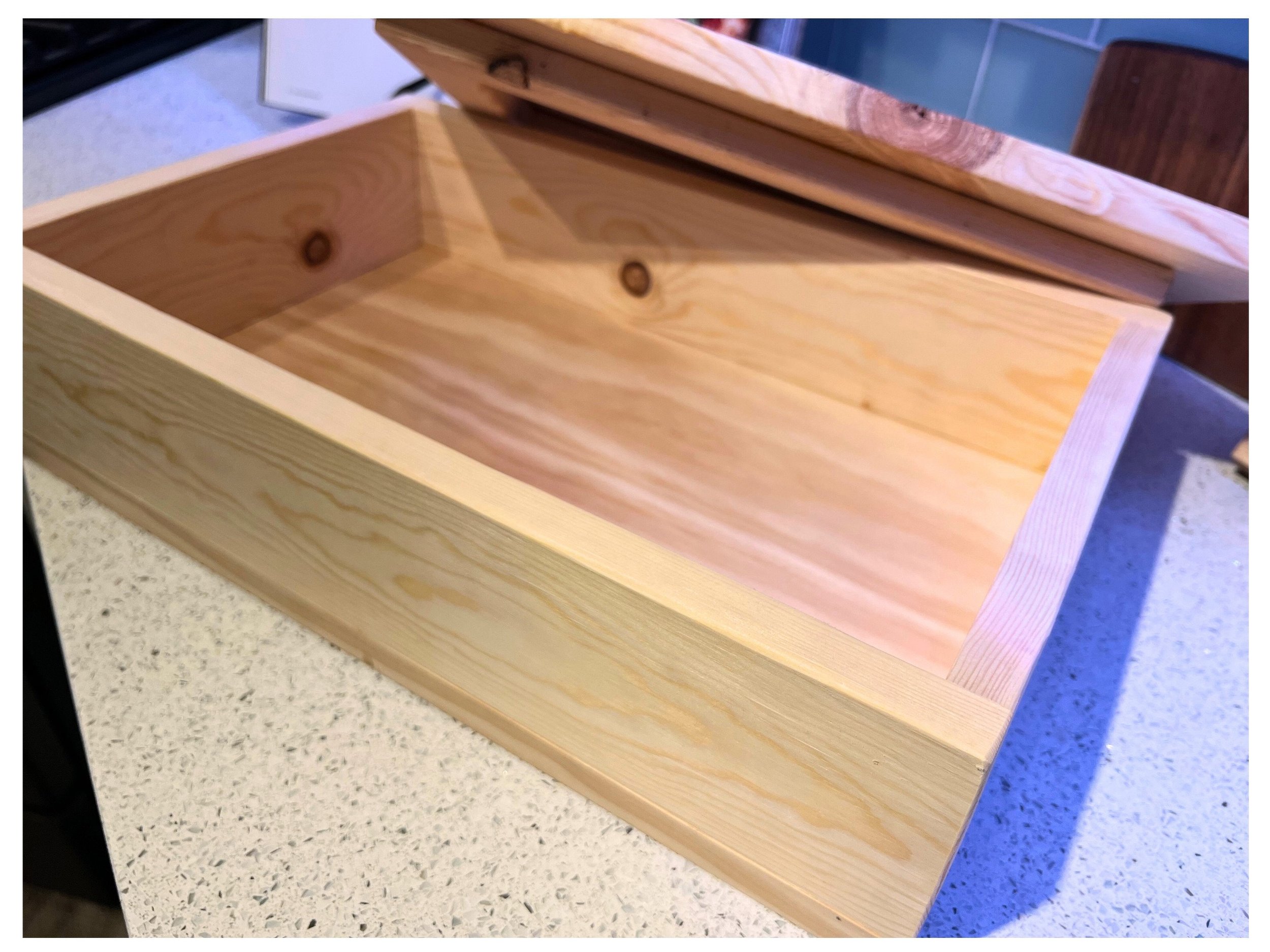 Image 4 of 11
 Image 5 of 11
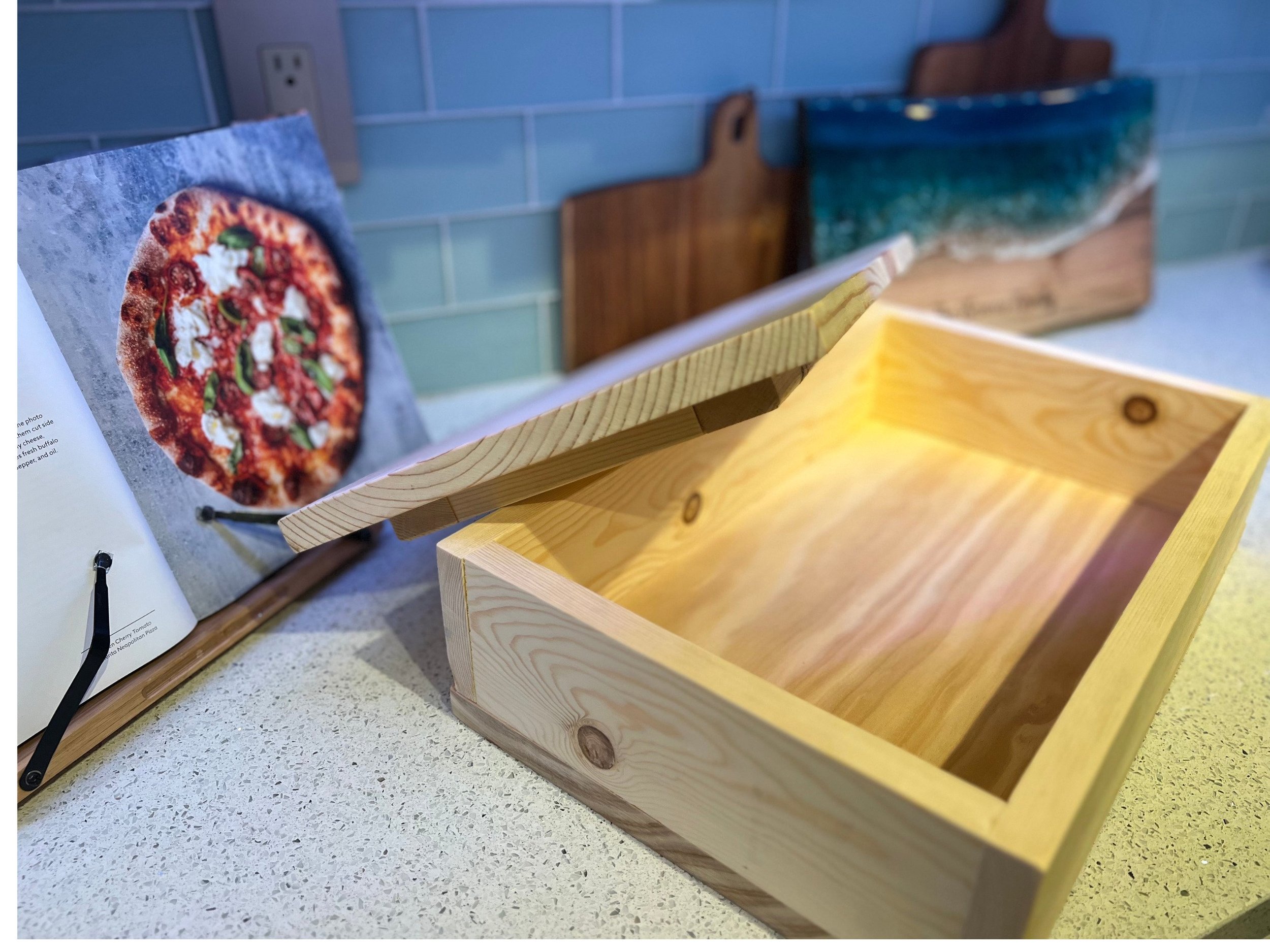 Image 6 of 11
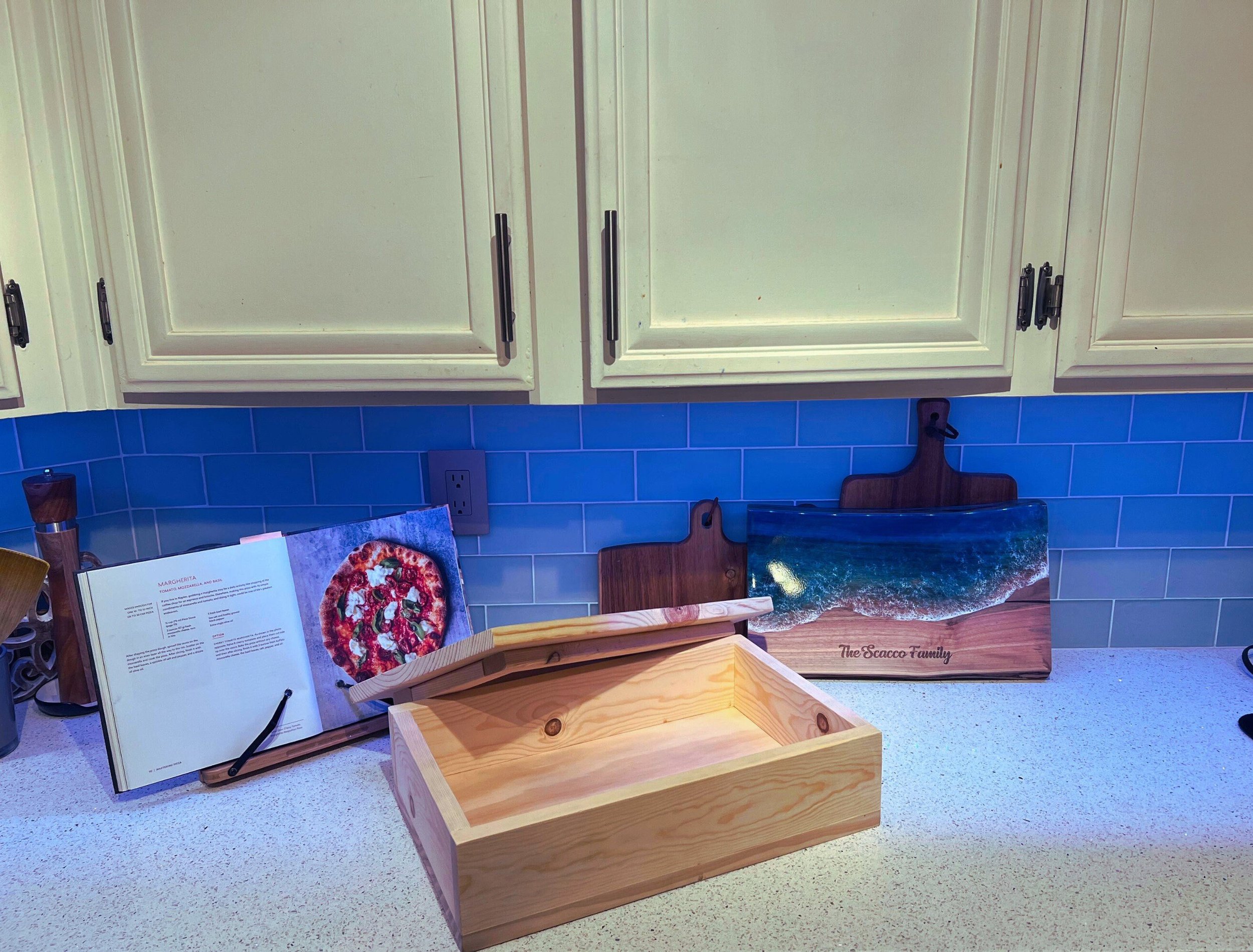 Image 7 of 11
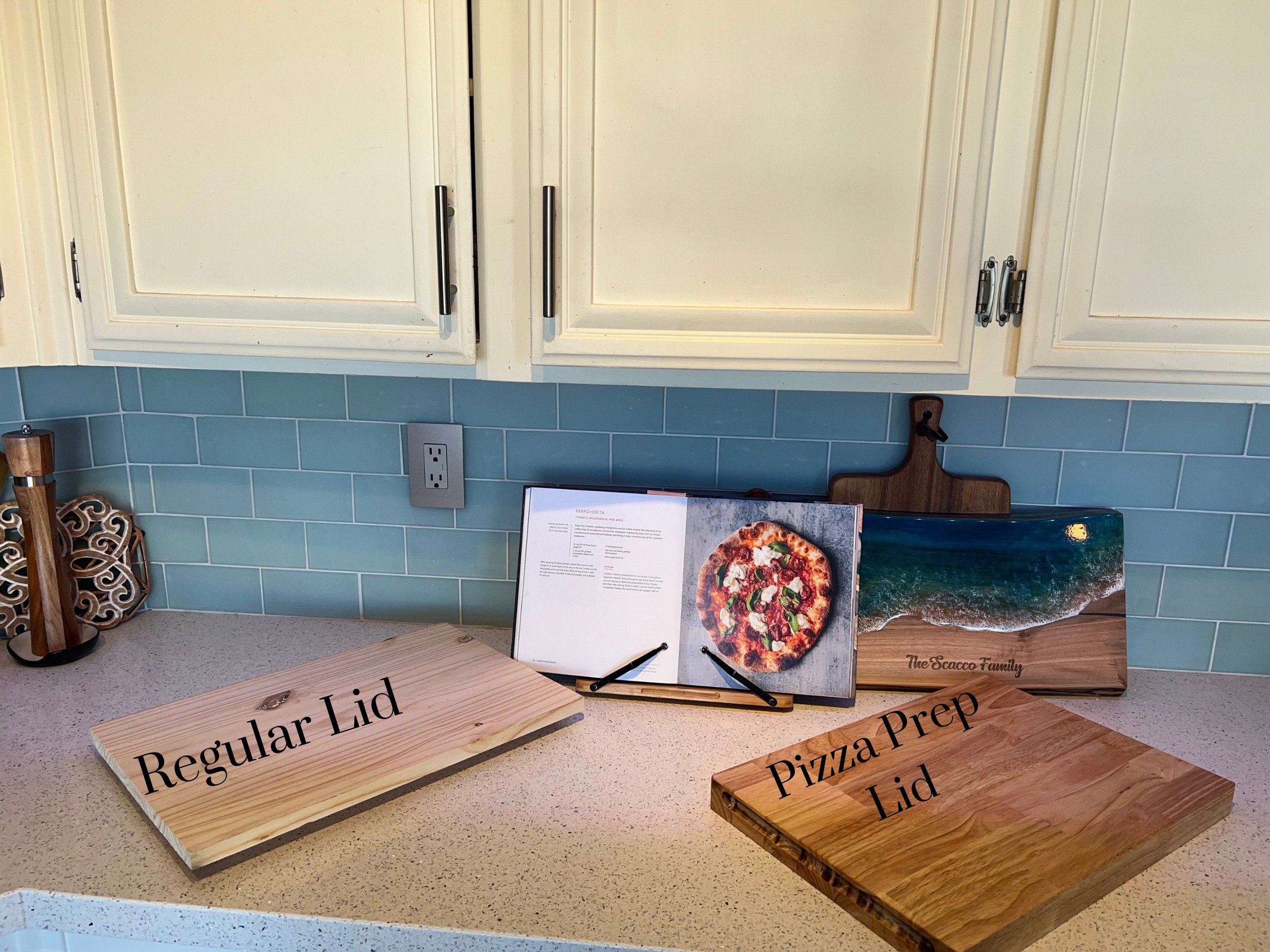 Image 8 of 11
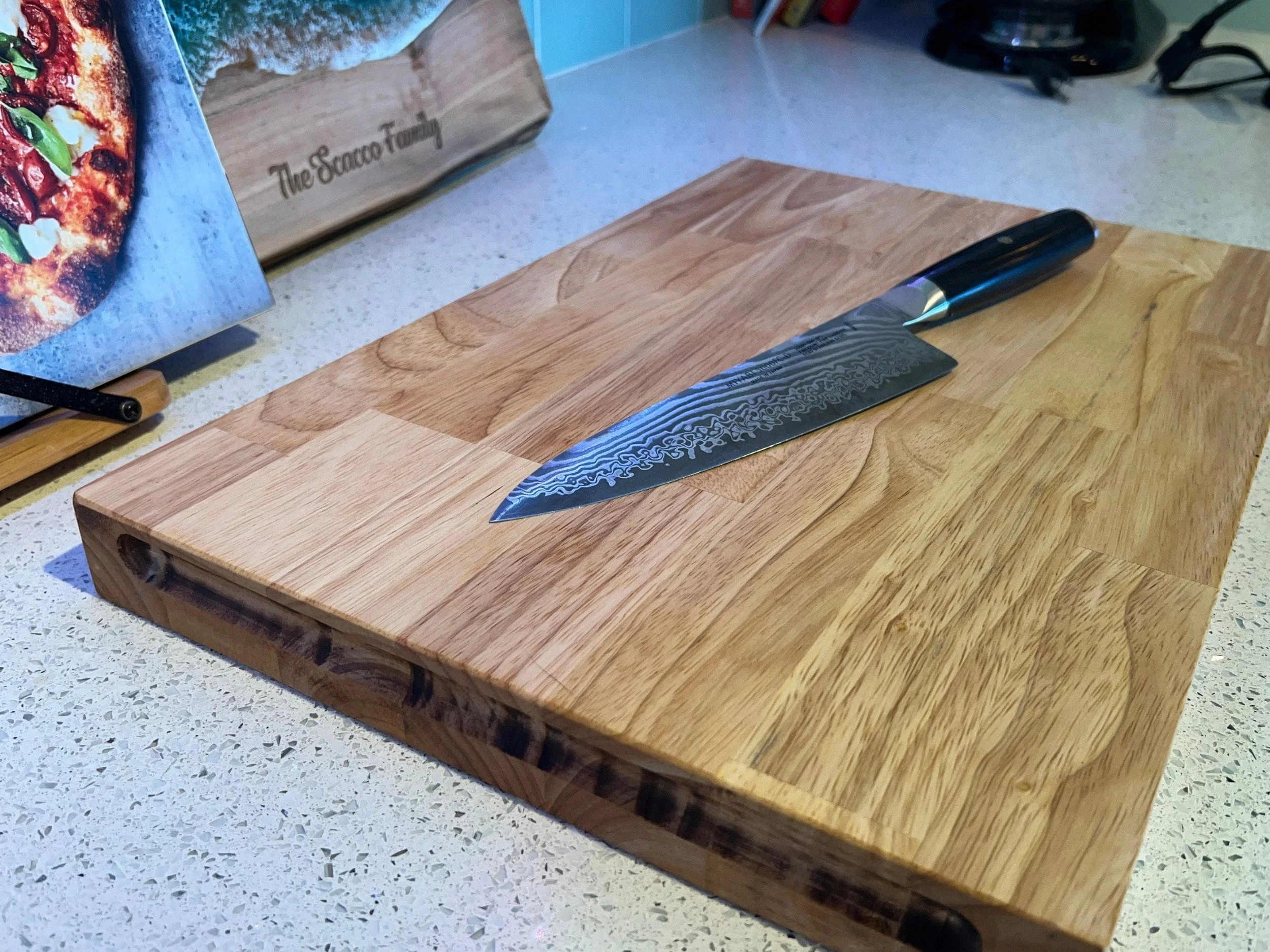 Image 9 of 11
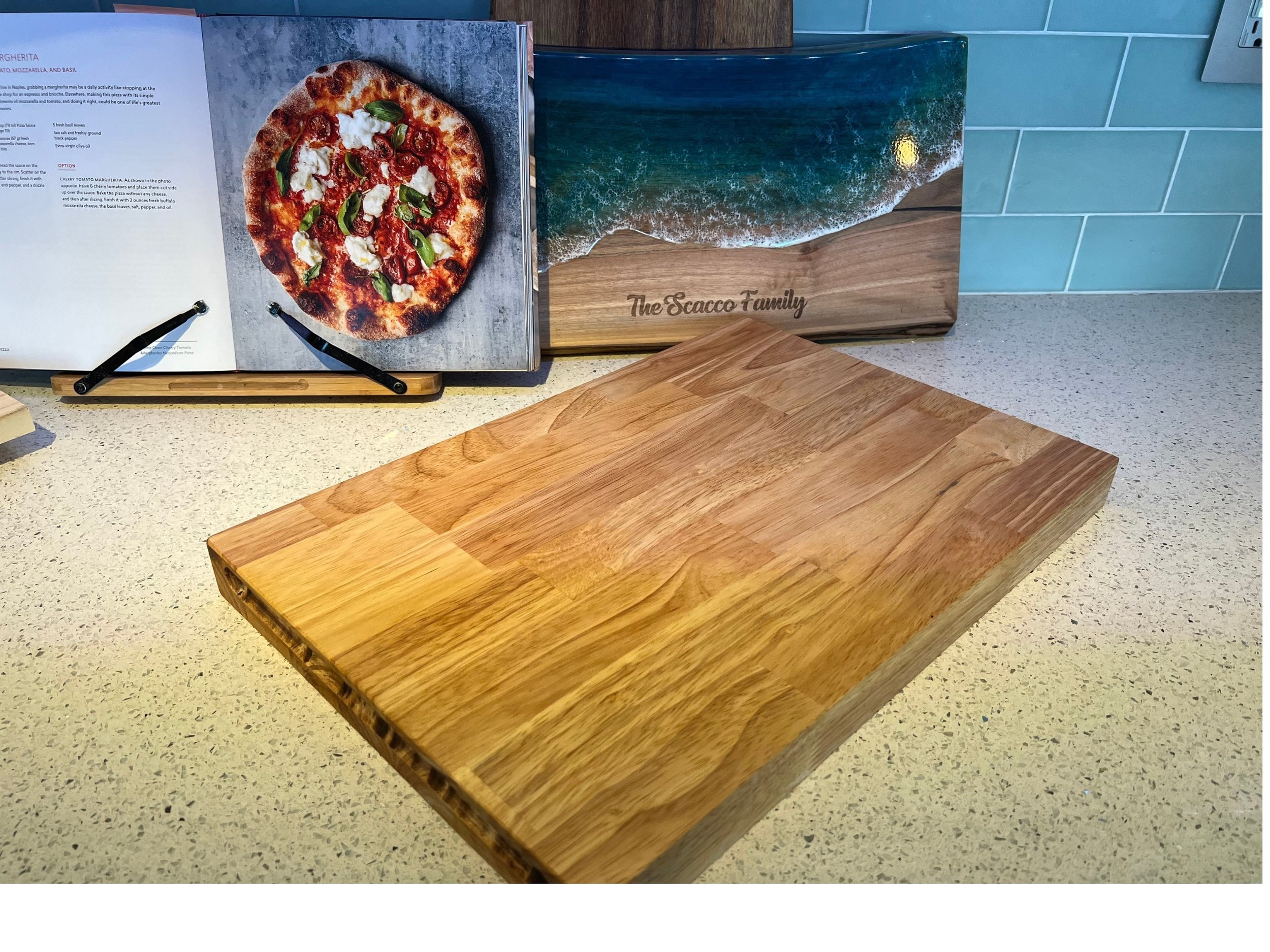 Image 10 of 11
 Image 11 of 11